
Why Accurate Patient Records Start With Your Charting Method
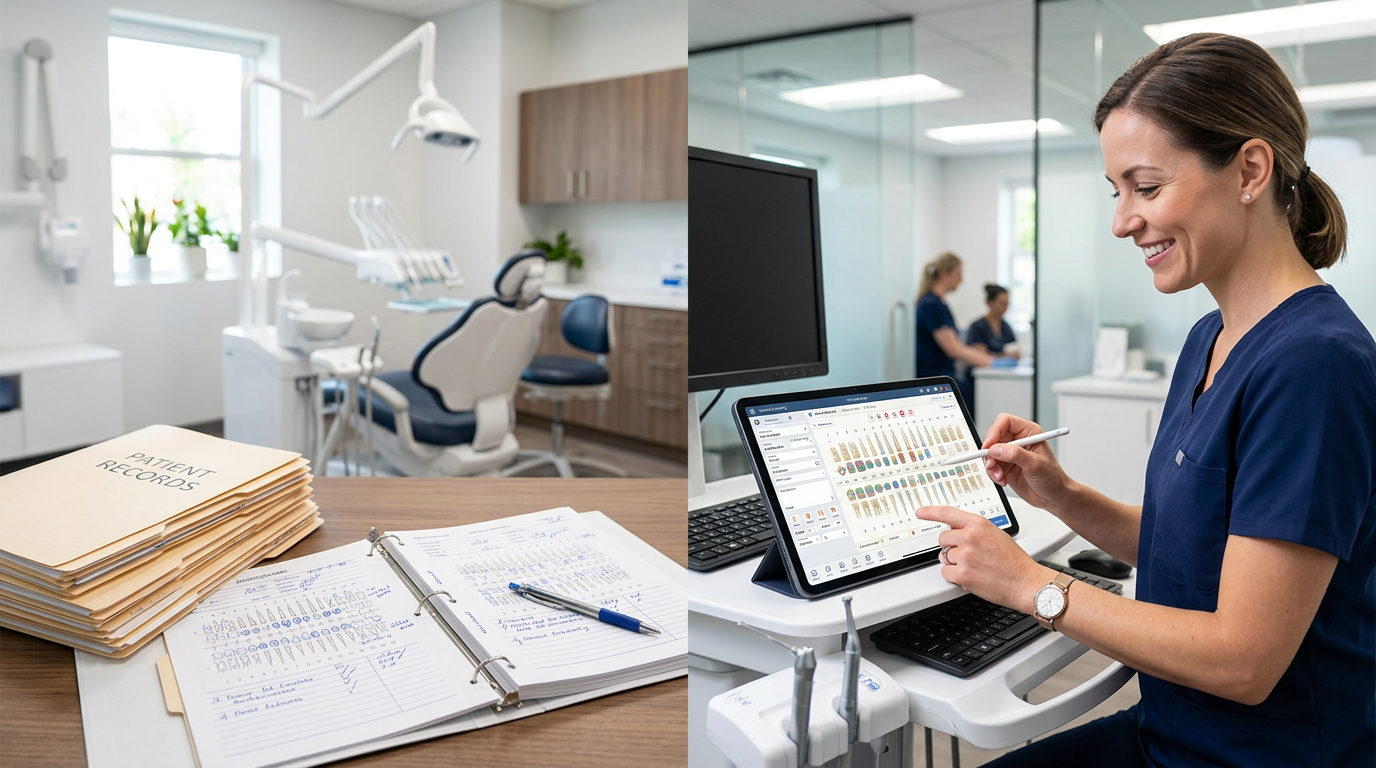
Digital dental charting is fast becoming the dividing line between practices that capture clean, defensible patient records and those that fight a daily battle with smudged ink and missing notes. Ask any dentist who has squinted at a colleague's handwriting before a procedure, or hunted through a filing cabinet while a patient waits, and the pain point is obvious: in dentistry, the accuracy of a record directly shapes diagnosis, treatment planning, and continuity of care. For decades, paper charts filled with handwritten notes, sketches, and taped-in radiographs did the job. But as practices grow and patient expectations rise, the cracks in paper-based systems have widened. This article compares both methods in detail and answers the question that matters most: which delivers better accuracy for comprehensive patient records?
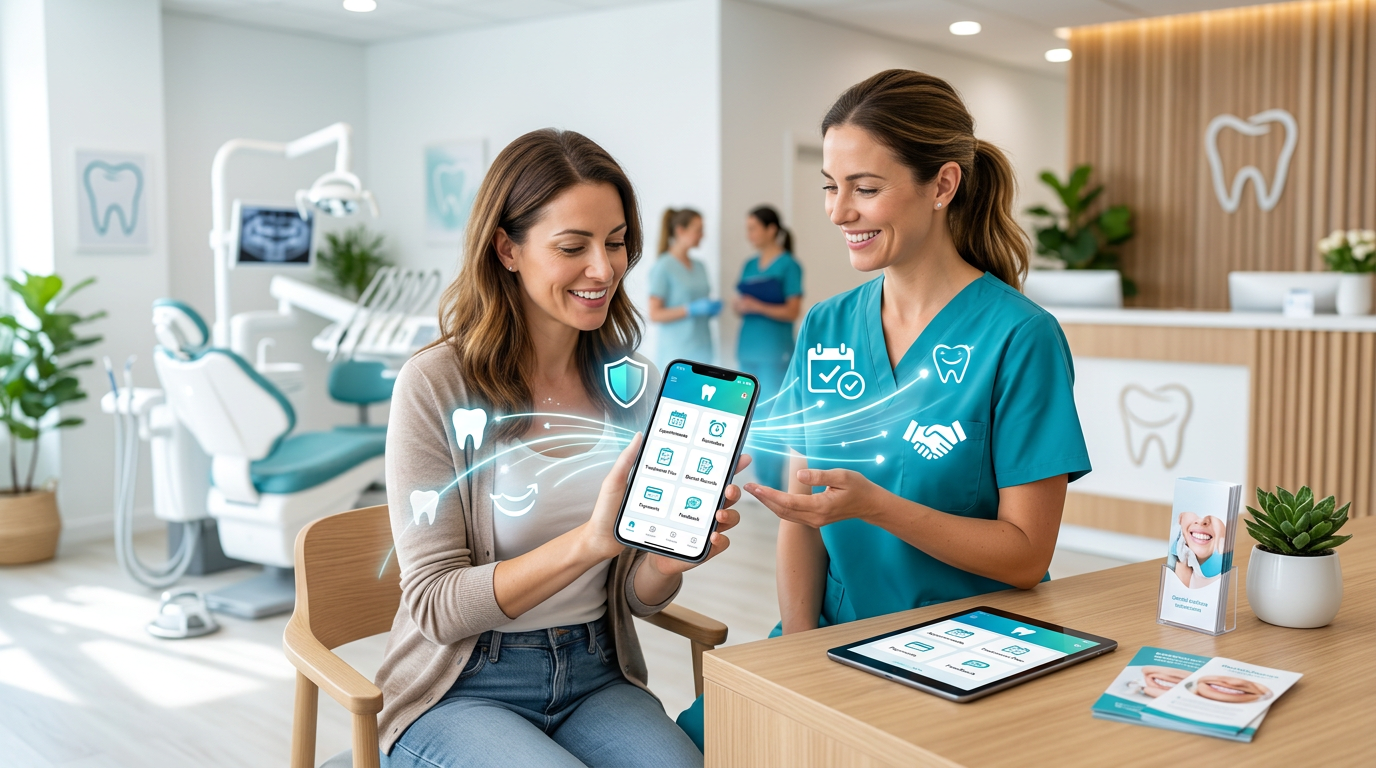
For Denti360, a leader in dental healthcare and technology, this shift is central to our mission of equipping dental professionals with tools that improve patient care. Record accuracy influences treatment outcomes, patient safety, and the day-to-day efficiency of the whole practice. In an era that runs on data integrity and instant access, choosing between digital and paper charting is not a matter of taste. It is a strategic decision with lasting consequences for clinical excellence and practice management. You can see how this thinking shapes our wider platform features.
The Enduring Legacy of Paper Dental Charts: Strengths and Built-In Limits
Paper dental charts are the traditional foundation of dental record-keeping. For many seasoned practitioners, they carry a sense of familiarity and a tangible link to patient history. Their advantages may feel quaint in a digital age, but they are worth acknowledging.
Perceived Advantages of Paper Charts
- Simplicity and accessibility (in a limited context): For practices without solid IT infrastructure, or during a power outage, paper charts are immediately available and need no special equipment or training beyond basic penmanship.
- No upfront software or hardware cost: Paper charts need only forms, folders, and storage cabinets, which appeals to new or small practices working under tight budgets.
- Tactile experience: Some clinicians simply prefer writing by hand and flipping through physical pages, feeling it gives a more personal connection to a patient's history.
Built-In Limitations and Challenges
Those upsides are real, but the drawbacks of paper are substantial, and they strike directly at accuracy and efficiency:
- Legibility risks: Handwritten notes are notoriously hard to read, which invites misinterpretation, communication breakdowns between practitioners, and clinical errors. Multiple handwriting styles in one practice only make it worse.
- Incomplete or inconsistent records: Without standardized templates or automated prompts, critical details get omitted. Keeping records consistent across several providers in a group practice becomes a real challenge, leaving patient histories fragmented.
- Time-consuming documentation: Writing detailed notes by hand, drawing diagrams, and physically attaching X-rays takes far longer than digital entry, and it eats into chairside time.
- Hard data retrieval and analysis: Finding one detail inside a thick chart is slow work. Cross-referencing, spotting trends, or analyzing aggregated patient data for research or improvement is effectively impossible.
- Physical storage and retrieval burdens: Paper charts demand significant space, which is costly and inefficient. Retrieval means searching filing cabinets by hand, with delays and misfiling along the way.
- Security and confidentiality exposure: Paper is vulnerable to fire, flood, theft, or unauthorized access when not securely stored, and protecting confidentiality in a busy practice is a constant struggle.
- Limited scalability: As a practice grows, the sheer volume of paper quickly becomes unmanageable, adding administrative load and room for error.
- Limited shareability: Sharing paper records with specialists, insurers, or other providers means copying, faxing, or mailing, all of which are slow, insecure, and error-prone.
- No real-time updates: Every amendment requires manual entry that is hard to track and verify, especially when several people touch the same chart.
The Rise of Digital Dental Charting: A Genuine Paradigm Shift
Digital dental charting, powered by modern practice management software, transforms how dental patient records are created, stored, and managed. It goes well beyond simple digitization to deliver integrated, intelligent, and interactive tools.
Core Components of Digital Dental Charting
- Electronic Health Records (EHR) / Electronic Dental Records (EDR): Comprehensive digital systems covering a patient's full dental history, including demographics, medical history, clinical notes, treatment plans, images such as radiographs and intraoral photos, and billing information.
- Standardized templates and forms: Customizable templates for examinations, treatment notes, periodontal charting, and other procedures keep records consistent and complete.
- Graphical charting: Intuitive visual interfaces let dentists chart existing conditions, proposed treatments, and completed work directly on a virtual tooth diagram, often in 3D.
- Integration with diagnostic tools: Direct connections to digital X-ray sensors, intraoral cameras, and other equipment capture and store images straight into the patient's digital file.
- Automated reminders and alerts: Systems can flag allergies, medical conditions, or outstanding treatment needs, strengthening patient safety.
Key Advantages of Digital Dental Charting
The benefits of digital charting answer the limitations of paper point by point, with accuracy front and center:
- Enhanced accuracy and completeness:
- Standardization: Predesigned templates and dropdown menus capture every required field consistently and cut the risk of omissions.
- Legibility: Typed entries remove handwriting guesswork and produce clear, unambiguous records.
- Error reduction: Automated checks and prompts catch data-entry mistakes, flagging inconsistent entries or missing fields.
- Real-time updates: Information updates instantly and stays accessible across the practice, so everyone works from current data.
- Improved efficiency and time savings:
- Faster documentation: Point-and-click charting, pre-filled templates, and voice-to-text options sharply reduce documentation time.
- Instant access: Records appear in seconds from any authorized workstation, ending the hunt for physical charts.
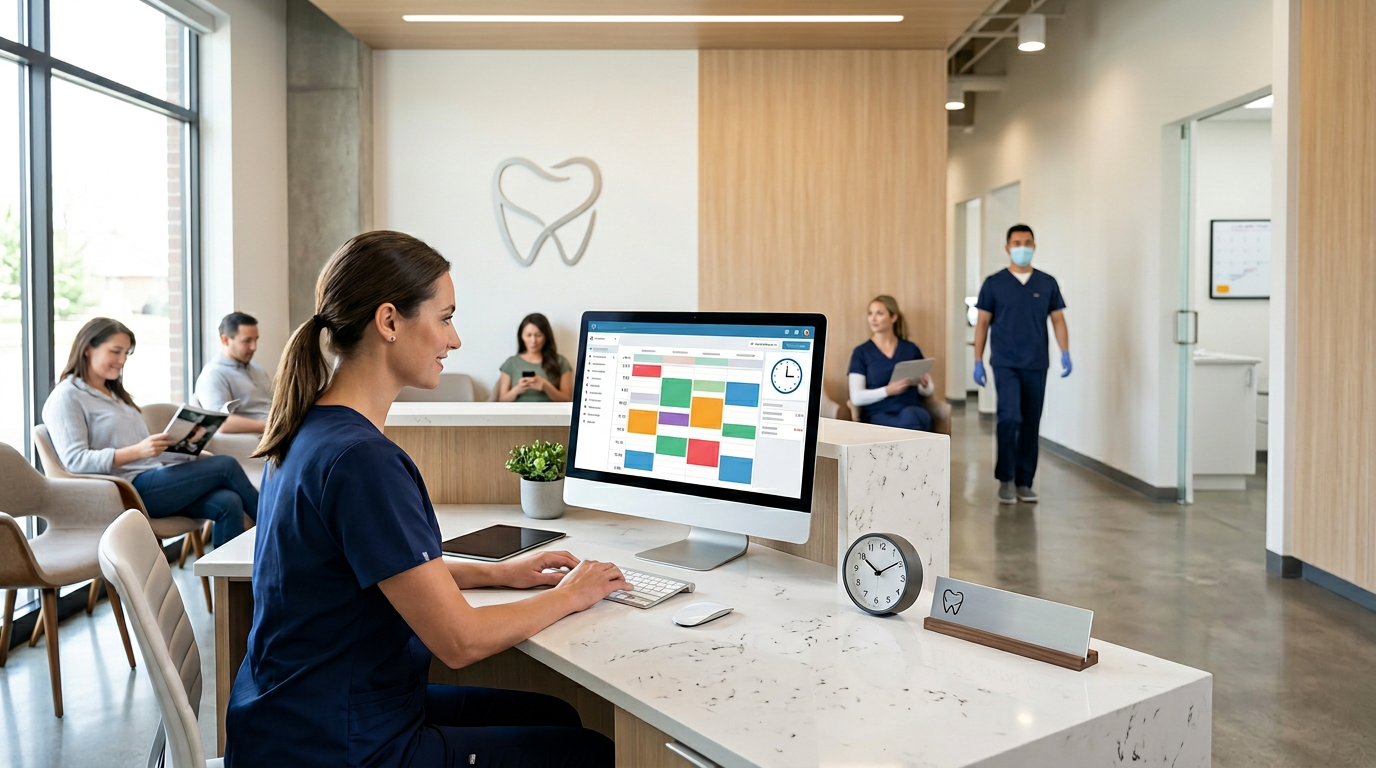
- Streamlined workflows: Integration with scheduling, billing, and imaging removes redundant data entry and ties the day together.
- Superior data security and confidentiality:
- Access control: User-specific logins, passwords, and role-based permissions ensure that only authorized staff can view or change patient records.
- Audit trails: Systems automatically log every access, modification, and deletion, creating an indelible trail for accountability and compliance.
- Data encryption: Information is encrypted in transit and at rest, guarding it against cyber threats.
- Automated backups: Regular, often cloud-based backups protect against data loss from hardware failure, disasters, or other unforeseen events.
- Stronger communication and collaboration:
- Seamless information sharing: Digital records can be shared securely with specialists, insurers, and other healthcare entities to coordinate care.
- Interoperability: Integration with broader healthcare systems, such as hospital EHRs, supports more holistic patient care.
- Advanced data analysis and reporting:
- Practice analytics: Digital data is easy to aggregate and analyze to spot trends, measure performance, track outcomes, and refine operations.
- Research and public health: De-identified patient data can feed clinical research and public health initiatives.
- Smaller physical and environmental footprint:
- Paperless environment: Removing physical charts, cabinets, and consumables saves space and supports sustainability.
Accuracy Head to Head: Digital vs. Paper
When the deciding criterion is accuracy in comprehensive patient records, digital dental charting clearly outperforms paper.
- Legibility vs. standardization: Paper fights constant legibility problems, where a hurried scribble can be misread. Digital charting uses standardized input, dropdowns, checkboxes, and typed text, to remove that ambiguity. Every entry is clear, consistent, and universally readable.
- Completeness vs. prompts: Paper charts often carry gaps from human oversight or the lack of a structured prompt. Intelligent digital templates guide users through required fields and prompt for specifics based on prior entries, sharply improving completeness.
- Error detection vs. manual review: Finding errors in a dense paper chart depends on fallible manual review. Digital systems apply validation rules that flag inconsistent dates, drug interactions when integrated with a pharmacy database, or missing medical history before they become a problem.
- Version control and audit trails: Correcting a paper error usually means crossing out and initialing, which looks messy and raises questions about record integrity. Digital systems keep a pristine audit trail of who changed what, when, and often why, ensuring transparency and an accurate history of every modification.
- Redundancy and consistency: On paper, the same information may be copied across forms and drift out of sync. Digital systems store core patient data once and pull it dynamically into forms and reports, keeping every record consistent.
- Accessibility in emergencies: In an emergency, fast and accurate access to a patient's full medical and dental history can be life-saving. Digital records reachable from any authorized device deliver that access, while locating a physical chart can cause critical delays.
Making the Transition: Challenges and Best Practices for Denti360 Clients
Moving from paper to digital is a significant undertaking, but the long-term gains in accuracy and efficiency far outweigh the early hurdles. For Denti360 clients planning or working through this transition, a few considerations matter most. Many of them map directly to the broader benefits of going digital.
- Initial investment and ROI: Digital systems require upfront spending on software, hardware, and training, but the return shows up in greater efficiency, fewer errors, better patient care, and stronger data security.
- Staff training: Thorough training for every team member is essential. Denti360 emphasizes user-friendly interfaces and solid training programs to smooth adoption.
- Data migration: Transferring existing paper records can feel daunting. Practical strategies include scanning essential historical data, entering critical summaries, or running a hybrid system during the transition.
- Cybersecurity: Digital records make cybersecurity non-negotiable. Choosing a reputable provider like Denti360 with secure, HIPAA-compliant (or equivalent regional) cloud-based solutions, advanced encryption, and reliable backup protocols is vital.
- Customization: Favor systems that adapt to your practice's unique workflows so the charting tool genuinely enhances, rather than hinders, your operations.
- Ongoing support: Dependable technical support keeps the practice running and protects data integrity when issues arise.
The Future of Dental Records: Beyond 2026
Looking past 2026, the direction of dental charting is clear: it will grow more integrated, intelligent, and proactive. Likely advances include:
- Artificial intelligence and machine learning: AI could recognize patterns in charts, flag potential issues, suggest diagnoses, or optimize treatment plans using large datasets.
- Predictive analytics: Patient data could predict future oral health risks or treatment needs, enabling earlier intervention.
- Greater interoperability: Real-time data sharing across the healthcare ecosystem could break down silos between dental, medical, and other providers.
- Tele-dentistry integration: Digital records will sit at the center of remote consultations, diagnostics, and monitoring, widening access to care.
- Voice-activated charting: Better voice recognition will make charting even more hands-free and efficient.
Conclusion: Digital Charting Is the Gold Standard for Accuracy
In the long-running debate between digital dental charting and paper charts, the evidence strongly favors digital, especially when accuracy across comprehensive patient records is the priority. Paper holds nostalgic appeal and a perceived simplicity, but its limits in legibility, completeness, security, and accessibility undermine the integrity and usefulness of patient data.
Digital dental charting uses technology to deliver accuracy through standardization, intelligent prompts, error reduction, and robust audit trails. It turns record-keeping from a slow, error-prone chore into a secure, dynamic process that sharpens clinical decisions, improves patient safety, and streamlines the whole practice, including smoother patient management. For forward-thinking practices, adopting digital charting is not just an upgrade but an essential investment in accurate, comprehensive, superior care. Ready to see it in your own workflow? Book a Denti360 demo and raise your standard of care to meet the demands of modern dentistry.