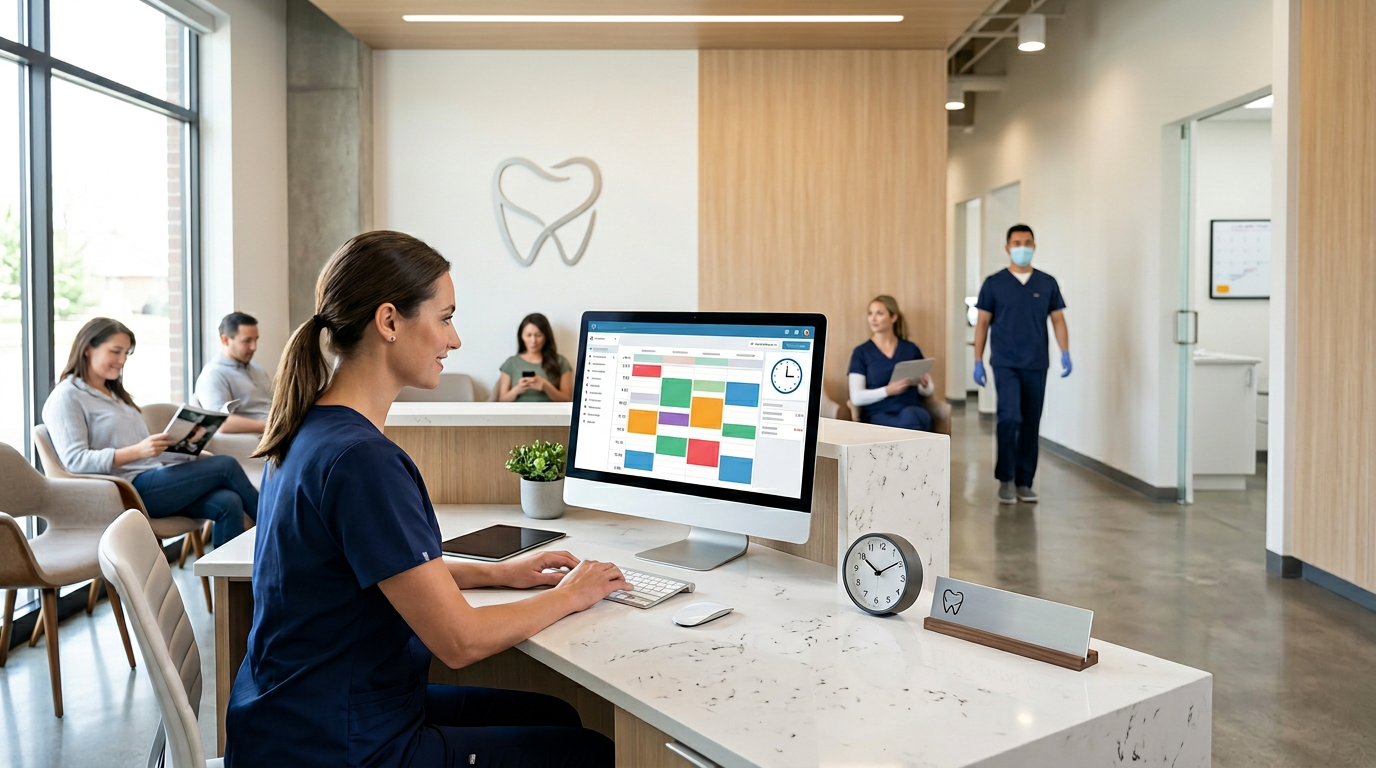


Revenue leakage is one of the most underestimated problems in Indian dental practices. Dentists spend years mastering clinical skills, yet a single rejected insurance claim, an incorrectly coded procedure, or a delayed follow-up can quietly erode months of hard work. For clinics that see dozens of patients every week, manual billing is simply not sustainable. Automated dental billing software is changing this equation — and for practices across India, tools like Denti360 are making seamless payouts an achievable reality rather than an aspiration.
Why Manual Billing Costs You More Than You Think
On the surface, manual billing looks manageable. Your front-desk staff submits claims, chases payers, and reconciles accounts. But dig deeper and the hidden costs become clear. A single claim denial requires staff time to investigate the reason, correct errors, and resubmit — a process that can take hours per claim. Multiply that across dozens of denials each month and you are looking at a significant drain on both time and revenue.
Common causes of claim rejection in dental practices include incorrect procedure codes, missing patient details, incomplete documentation, and mismatches between the treatment date and the coverage period. Each of these is a preventable error — and prevention is exactly what automated dental billing software is designed to deliver. By building validation logic directly into the submission workflow, modern dental software India tools catch mistakes before they ever reach the payer.
How Automation Transforms the Revenue Cycle
The term revenue cycle management refers to the full financial journey of a patient visit — from registration and insurance verification through claim submission, payment posting, and final reconciliation. Automation touches every stage of this cycle:
- Eligibility verification at the point of booking: Before a patient even sits in the chair, automated systems can check insurance coverage, benefit limits, and co-pay obligations. This eliminates surprises for both the patient and your billing team.
- Claim scrubbing before submission: Intelligent pre-submission checks compare procedure codes, diagnosis codes, and patient details against payer rules. Claims that would otherwise be rejected get flagged and corrected first.
- Electronic claim submission: Paper and fax-based submissions are replaced by instant electronic transmission, reducing processing time from days to hours.
- Automated payment posting: When insurers send Electronic Remittance Advice (ERA), the software reconciles payments automatically, eliminating manual data entry and the errors that come with it.
- Denial management and follow-up: Rather than relying on staff to remember which claims need chasing, automated dashboards flag outstanding claims and trigger follow-up workflows at the right intervals.
The cumulative effect of these improvements is a faster, leaner revenue cycle. Practices that switch to automated dental billing typically see their average days in accounts receivable drop significantly, and their clean claim rate — the percentage of claims paid on the first submission — improve substantially.
Reducing Claim Denials: Where the Real Money Is
Industry data consistently shows that a large proportion of claim denials are preventable. Yet many dental practices do not track their denial rates closely, making it impossible to identify patterns and fix root causes. This is where dental practice management software with built-in analytics becomes invaluable.
With Denti360, practice managers can access reports that break down denials by payer, procedure type, provider, and reason code. If a particular insurer is consistently rejecting claims for a specific treatment, the software surfaces that pattern — allowing the team to investigate whether the issue lies in documentation, coding, or contract terms. This kind of data-driven insight transforms billing from a reactive fire-fighting exercise into a proactive strategy for maximising reimbursements.
Beyond denial analysis, automated billing software also helps practices identify under-billed procedures. When a dentist completes multiple procedures in a single visit, manual billing can miss secondary codes. Automated code suggestion tools prompt billers to capture every eligible item, ensuring that the practice is reimbursed for all the work actually performed.
Patient Billing and the Importance of Transparency
Insurance reimbursements are only one side of the billing equation. Patient collections — particularly for co-pays, deductibles, and treatments not covered by insurance — are equally important to cash flow. Many practices in India are moving towards higher-value treatments such as implants, clear aligners, and cosmetic procedures, where patient out-of-pocket costs can be significant.
Automated billing software supports patient collections through clear, itemised statements that patients can understand, online payment portals that make settling balances convenient, and automated payment reminders sent via SMS or email. When patients know exactly what they owe and have an easy way to pay, collection rates improve — without requiring additional staff effort.
Transparent billing also builds trust. Patients who receive accurate, timely statements are less likely to dispute charges or delay payment, and more likely to return for future treatment and refer others to your practice.
Choosing the Right Dental Billing Software for Your Practice
Not every billing solution is built for the nuances of the Indian dental market. When evaluating dental software India options, look for the following capabilities:
- Integration with your practice management system: Billing should not exist in a separate silo. A platform like Denti360 connects scheduling, clinical notes, and billing in a single workflow, eliminating duplicate data entry.
- Support for multiple payers: India's insurance landscape includes government schemes, corporate cashless programmes, and individual policies. Your software should handle the rules and formats required by each payer.
- Customisable reporting: Look for dashboards that show the metrics that matter to your practice — outstanding receivables, denial rates, average payment turnaround, and staff productivity.
- Cloud-based access: A cloud platform lets you monitor billing performance from anywhere, which is especially valuable for multi-location practices or owners who are not always on-site.
- Responsive support: Billing issues can be time-sensitive. Choose a vendor with a track record of fast, knowledgeable support — ideally with local expertise in Indian dental practice requirements.
Conclusion: Invest in Automation, Reclaim Your Revenue
Maximising reimbursements is not about billing harder — it is about billing smarter. Automated dental billing software eliminates the preventable errors, delays, and oversights that cost practices lakhs of rupees every year. It gives your team the tools to submit clean claims the first time, follow up systematically on outstanding payments, and understand your financial performance at a glance.
If your practice is still relying on manual processes or a basic billing tool that lacks the intelligence to keep pace with modern payer requirements, now is the time to upgrade. Denti360's dental practice management platform includes powerful billing automation designed specifically for the needs of Indian dental professionals. Book a free Denti360 demo today and discover how much revenue your practice could be recovering.