
Modern Dentistry's Three Pillars: Oral Health, Technology, and Patient Care
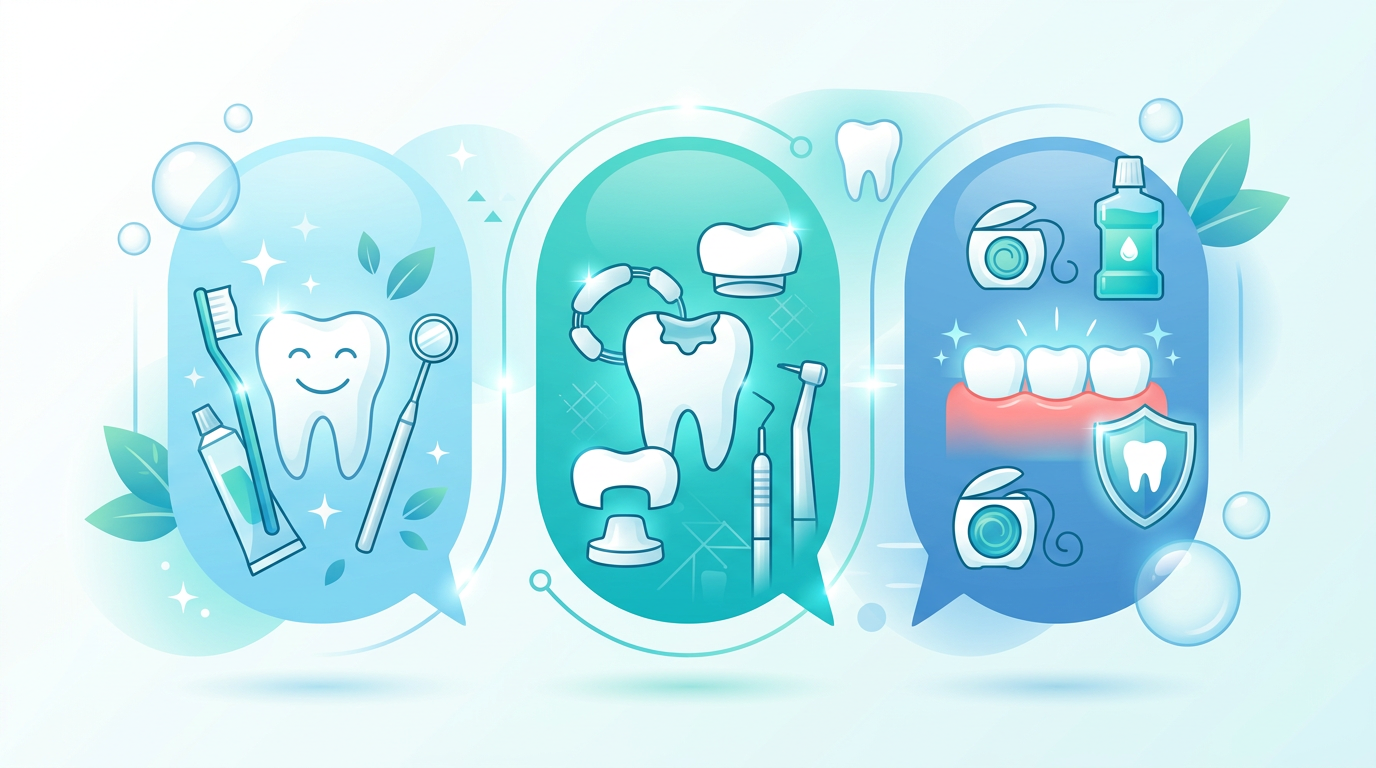
Modern dentistry succeeds or fails on how well three pillars work together: comprehensive oral health strategies, cutting-edge dental technology, and patient-centric care. Too many practices excel at one and neglect the others, leaving patients with inconsistent experiences and clinicians without the tools to deliver their best work. At Denti360, this triad is the cornerstone of our philosophy, guiding every treatment, innovation, and patient interaction. Understanding these three pillars is crucial for both dental professionals aiming to elevate their practice and patients seeking the highest standard of care.
This post examines each component, exploring its individual significance and, more importantly, how their harmonious interplay creates a superior dental experience and fosters long-term oral well-being. From preventive measures and restorative treatments to revolutionary diagnostic tools and personalized patient journeys, the Denti360 approach embodies a holistic vision for the future of dentistry.
Pillar 1: Comprehensive Oral Health Strategies Build the Foundation
The first pillar, comprehensive oral health, extends far beyond treating existing problems. It encompasses a proactive, preventive, and holistic approach to maintaining and enhancing the entire oral ecosystem. This includes not just teeth and gums, but also the surrounding structures, bite function, and the intricate connection between oral health and overall systemic health.
Preventive Dentistry: Your First Line of Defense
Robust preventive dentistry sits at the heart of comprehensive oral health. Regular check-ups and cleanings are non-negotiable for early detection and intervention, allowing professionals to identify cavities, gum disease, and other abnormalities before they escalate. Patient education plays an equally vital role. Empowering patients with proper brushing and flossing techniques, the importance of a balanced diet, and the risks of habits like smoking or excessive sugar consumption forms a strong defense against oral diseases.
Advanced preventive strategies also include fluoride treatments, which strengthen tooth enamel and make it more resistant to decay, and dental sealants, particularly for children, to protect the chewing surfaces of molars from bacteria and food particles. Understanding a patient's individual risk factors, such as genetic predispositions or certain medical conditions, allows for tailored preventive plans far more effective than a one-size-fits-all approach.
Restorative Dentistry: Repairing and Rebuilding Damaged Teeth
Despite the best preventive efforts, dental issues sometimes arise. Restorative dentistry focuses on repairing damaged teeth and restoring their function, integrity, and aesthetics, spanning everything from simple fillings to complex root canal treatments and crowns. The goal is not just to fix the immediate problem but to ensure the long-term health and stability of the restored tooth and its surrounding structures.
- Fillings: Repair teeth affected by decay, restoring their shape and function. Modern materials like composite resins offer aesthetic advantages, blending seamlessly with natural tooth color.
- Crowns: Full-coverage caps that restore severely damaged or weakened teeth, protecting them from further fracture and improving their appearance.
- Bridges: A common solution for replacing one or more missing teeth, using adjacent teeth as anchors to support an artificial tooth or teeth.
- Root Canal Therapy: A critical procedure to save a tooth with an infected or inflamed pulp, preventing extraction and alleviating pain.
Prosthodontics and Implants: Replacing and Enhancing
When teeth are lost, prosthodontics and dental implants offer advanced replacement solutions. Dental implants are widely considered the gold standard for tooth replacement because they mimic the natural tooth root, providing unparalleled stability and preserving jawbone integrity. They can support single crowns, bridges, or even full dentures, offering a permanent and highly functional solution.
Beyond implants, dentures (complete or partial) and overdentures provide viable options for patients missing multiple or all teeth. The focus here is on restoring not just chewing ability but also speech clarity and facial aesthetics, significantly improving a patient's quality of life.
Periodontal Health: The Foundation of Support
The health of the gums and supporting bone structures (periodontium) is paramount. Periodontal disease, left untreated, can lead to tooth loss and has been linked to systemic health issues such as cardiovascular disease and diabetes. Comprehensive oral health includes regular periodontal assessments, deep cleanings (scaling and root planing), and, when necessary, surgical interventions to manage gum disease and ensure a stable foundation for the teeth.
Pillar 2: Advanced Dental Technology Delivers Precision and Efficiency
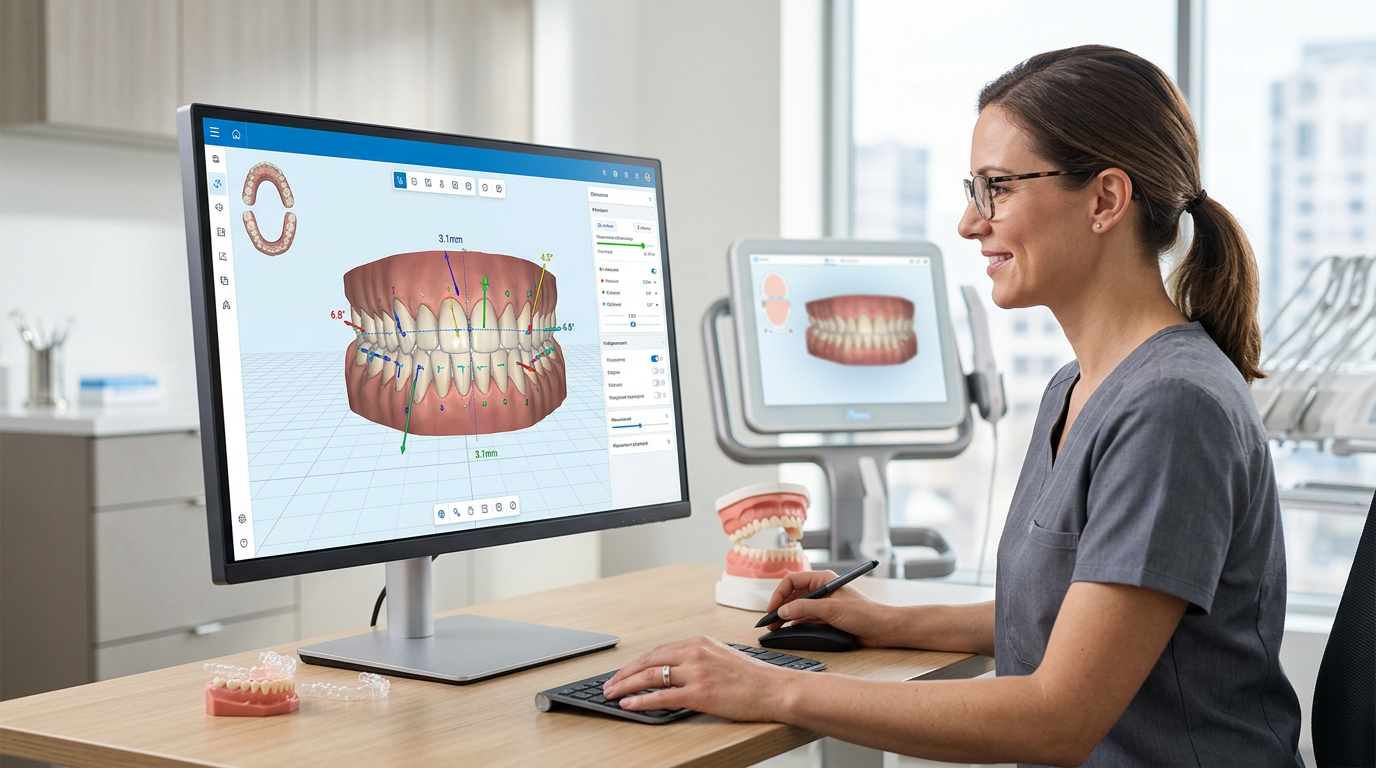
The second pillar, advanced dental technology, is the engine driving the efficiency, precision, and comfort of modern care. Denti360 is committed to integrating state-of-the-art technologies that transform diagnostics, treatment planning, and procedural execution, ultimately leading to better patient outcomes and experiences.
Digital Imaging and Diagnostics: Unveiling the Invisible
The days of relying solely on traditional X-rays are gone. Modern dentistry leverages digital imaging technologies that provide unprecedented detail and reduce radiation exposure.
- Digital X-rays: Offer immediate image viewing, enhanced clarity, and significantly less radiation than traditional film X-rays. They also allow for easy storage and sharing of images.
- Cone-Beam Computed Tomography (CBCT): Provides 3D images of oral and maxillofacial structures, offering invaluable insights for implant planning, orthodontic assessments, root canal diagnosis, and pathology detection. This technology allows for precise visualization of bone density, nerve pathways, and anatomical structures.
- Intraoral Cameras: Let patients see what the dentist sees, fostering a better understanding of their oral condition and treatment needs. These cameras capture high-resolution images of teeth and soft tissues.
- Caries Detection Devices: Use laser or light fluorescence to detect incipient caries (early decay) that conventional methods might miss, enabling earlier intervention.
CAD/CAM Technology: From Scan to Smile in a Single Visit
Computer-Aided Design/Computer-Aided Manufacturing (CAD/CAM) systems have revolutionized restorative dentistry. With CAD/CAM, dentists can design, mill, and place crowns, veneers, inlays, and onlays in a single appointment, eliminating multiple visits and temporary restorations.
The process involves digitally scanning the prepared tooth, designing the restoration on a computer, then milling it from a block of high-quality ceramic material directly in the office. This saves time for the patient and ensures a highly precise fit and aesthetic result.
Laser Dentistry: Gentle, Precise Treatments
Dental lasers offer a less invasive, more comfortable alternative for a variety of procedures. They handle soft tissue surgeries (gum recontouring, frenectomies), hard tissue treatments (cavity preparation, certain fillings), and even teeth whitening.
The benefits include reduced bleeding, minimal discomfort, faster healing times, and often the elimination of anesthesia for certain procedures. This technology enhances the patient experience by making treatments less intimidating and more efficient.
Digital Impression Systems: Comfort and Accuracy
Traditional dental impressions, often involving messy and uncomfortable putties, are being replaced by digital impression systems. These intraoral scanners capture highly accurate 3D images of teeth and gums in minutes, improving patient comfort and reducing remakes due to inaccuracies. The digital data integrates seamlessly with CAD/CAM systems, orthodontic treatment planning software, and laboratory communication.
Teledentistry and AI: Expanding Access and Enhancing Diagnosis
The emergence of teledentistry, especially relevant in a world demanding accessible healthcare, allows for remote consultations, triage, and monitoring, expanding access to care. Coupled with artificial intelligence (AI), which can analyze dental images to assist in diagnosis, predict treatment outcomes, and optimize workflows, dental technology continues to push boundaries, making dentistry more efficient and data-driven.
Pillar 3: Patient-Centric Care Builds Trusting Relationships
The third and arguably most crucial pillar is patient-centric care. At Denti360, we believe exceptional treatment is not just about clinical excellence but about creating a positive, empathetic, and trusting environment where patients feel heard, respected, and actively involved in their healthcare journey.
Personalized Treatment Planning: Your Health, Your Choices
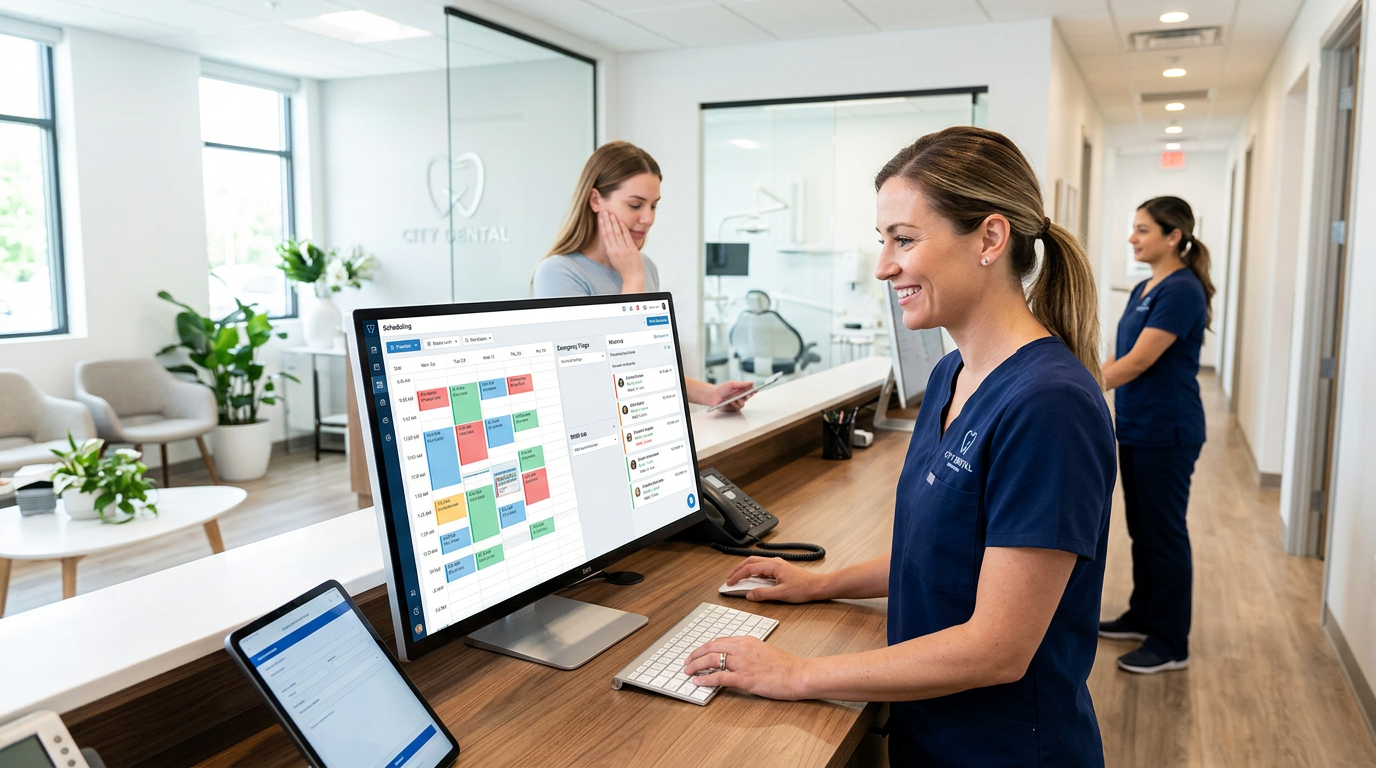
Every patient is unique, and their treatment plan should reflect that individuality. Patient-centric care begins with a thorough understanding of each patient's medical history, dental concerns, lifestyle, financial considerations, and treatment goals. Rather than dictating treatments, dentists present all viable options, explain the pros and cons of each, and empower patients to make informed decisions that align with their values and circumstances. This collaborative approach, supported by streamlined patient management that keeps every detail at hand, ensures the plan is not just clinically sound but personally suitable and achievable.
Comfort and Anxiety Management: A Soothing Experience
Dental anxiety is a significant barrier for many individuals seeking necessary care. Patient-centric practices prioritize creating a comfortable, stress-free environment with amenities like comfortable chairs, blankets, entertainment options, and thoughtful communication that explains each step of a procedure.
Beyond environmental factors, anxiety management techniques range from conscious sedation (e.g., nitrous oxide, oral sedatives) to advanced communication and behavioral techniques that help patients relax and feel in control throughout their appointment. The goal is to transform the dental experience from one of dread to one of calm and positive engagement.
Clear Communication and Education: Building Trust Through Understanding
Effective communication is the bedrock of patient-centric care. Dentists and their teams must communicate complex dental information in an understandable manner, avoiding jargon and patiently answering all questions. Visual aids such as intraoral camera images or digital X-rays help patients visualize their condition and proposed treatments.
Patient education extends beyond the treatment chair. Providing clear post-operative instructions, preventive care tips, and accessible resources empowers patients to take an active role in maintaining their oral health between visits. This ongoing dialogue builds trust and fosters a lasting relationship between patient and practice.
Accessibility and Convenience: Reducing Barriers to Care
Patient-centric care also means making dental services accessible and convenient. This includes flexible appointment scheduling, transparent billing practices, assistance with insurance claims, and sometimes even teledentistry options for initial consultations or follow-ups. A practice that prioritizes ease of access demonstrates genuine commitment to patient well-being.
Follow-Up and Continuous Support: A Lifelong Partnership
The patient journey doesn't end when they leave the office. Comprehensive follow-up care, including post-treatment calls, recall systems for preventive appointments, and continuous support for any concerns, reinforces the patient-centric approach. It signals that the practice is invested in the patient's long-term health and available as a trusted partner throughout their oral health journey.
The Denti360 Difference: Integrating the Triad for Superior Outcomes
At Denti360, we don't just acknowledge these three pillars; we integrate them into every facet of our operations. Our commitment to comprehensive oral health means we look beyond isolated symptoms to understand the full picture of a patient's well-being. We invest in advanced dental technology not for innovation's sake, but because it enables more precise, efficient, and comfortable treatments that translate directly into superior clinical outcomes.
Most importantly, patient-centric care is embedded in our DNA. From the moment a patient steps into our practice in 2025, they experience an environment built on empathy, respect, and clear communication. We understand that dentistry can be intimidating, and we strive to make every visit a positive, empowering experience.
The synergy between comprehensive oral health strategies, advanced dental technology, and patient-centric care is what sets modern dentistry apart. When these three pillars work in harmony, they create a robust framework for exceptional care that addresses immediate concerns and promotes lifelong oral health. Ready to unite all three pillars in your practice? Explore the full Denti360 platform features or book a personalized demo to see how our integrated system supports better clinical outcomes and a standout patient experience.