

Streamlining Insurance Claims for Complex Restorative Procedures With Dental Billing Software
Dental billing software is the difference between a smooth revenue cycle and a backlog of denied complex restorative claims that quietly drain your practice. Complex restorative procedures, from extensive decay and trauma to major functional and aesthetic rebuilds, are a cornerstone of patient care. Treatments like full mouth reconstructions, dental implants with bone grafting, intricate crown and bridge work, and advanced periodontics demand high clinical skill and meticulous administrative precision. Their financial backbone relies on efficient insurance claims processing, yet their complexity often produces a labyrinthine claims process rife with errors, delays, and denials. Modern dental billing software turns that historically cumbersome task into a streamlined, accurate, revenue-optimizing operation.
Denti360 understands the challenges practices face navigating insurance reimbursement for complex restorative cases. This guide explains how sophisticated dental billing software optimizes claims processing so your practice maximizes financial health while focusing on exceptional patient care.
The Intricacies of Complex Restorative Claims
Before the solutions, appreciate the specific difficulties of complex restorative claims:
- Extensive Documentation Requirements: These procedures demand detailed narratives, diagnostic images (X-rays, CBCT scans), periodontal charting, intraoral photos, study models, and pre-treatment records. Incomplete or improperly submitted documentation is a primary reason for denial.
- Pre-Authorization Hurdles: Many complex procedures require pre-authorization. This is time-consuming and demands careful submission of proposed treatment plans and supporting evidence; errors lead to significant out-of-pocket costs for patients and administrative headaches.
- Coordination of Benefits (COB): Patients with multiple plans (primary and secondary) complicate submission, requiring precise coordination to avoid overpayment or underpayment.
- Coding Nuances: Correctly coding complex procedures with CDT codes and appropriate modifiers is critical. Misunderstanding code definitions, bundling rules, or unbundling restrictions leads to denials or audits.
- Appeal Process: Denied claims trigger a lengthy, labor-intensive appeal, often requiring additional documentation and compelling arguments to overturn the decision.
- Staying Current with Payer Rules: Insurance policies evolve constantly, and tracking changes across multiple payers is a significant administrative burden.
The Transformative Power of Dental Billing Software
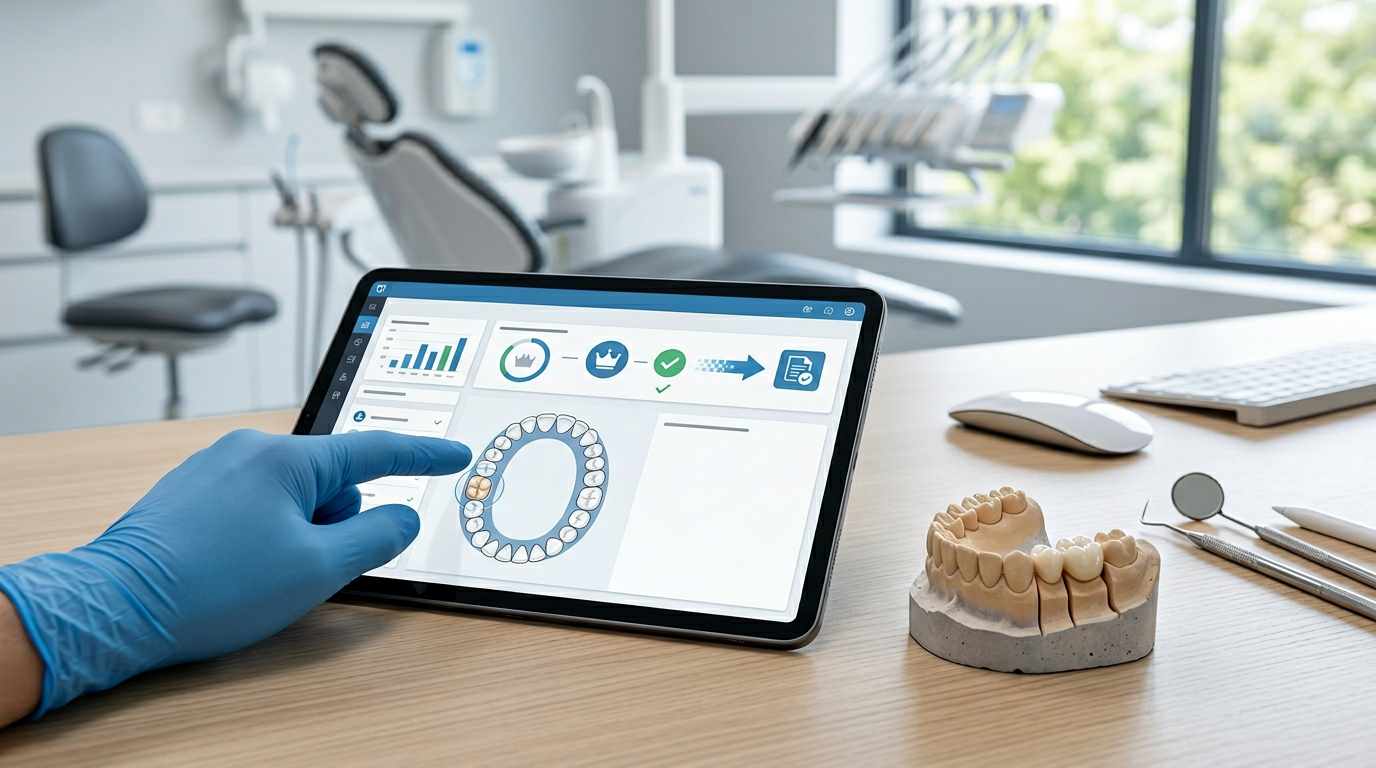
Modern dental billing software is engineered to meet these challenges head-on, providing a centralized, intelligent platform for the entire claims lifecycle. Here's how it optimizes processing for complex restorative procedures:
1. Intelligent Coding Assistance and Validation
One of the biggest advantages is integrated coding intelligence. For complex procedures involving multiple codes and potential bundling issues, this is invaluable:
- CDT Code Database: Up-to-date databases of CDT codes, definitions, and common usage scenarios minimize coding errors.
- Automated Code Suggestions: Based on the treatment plan and patient history, the software suggests appropriate codes, reducing manual errors and ensuring comprehensive coding.
- Bundling Alerts and Unbundling Guidance: The software flags potential bundling violations or guides when codes can legitimately be unbundled, adhering to payer rules.
- Modifier Application: Automated prompts for necessary modifiers (e.g., for multiple procedures on the same tooth, or certain surgical interventions) ensure compliance and maximize reimbursement.
- Narrative Generation Support: For complex cases, detailed narratives explaining medical necessity are paramount; many solutions offer templates or guided narrative tools to capture all critical information.
2. Enhanced Documentation Management and Attachment Capabilities
Complex restorative claims live and die by their supporting documentation. Dental billing software revolutionizes how this is managed:
- Centralized Document Repository: All patient records, X-rays, photos, periodontal charts, treatment plans, and pre-authorization forms are stored digitally and linked directly to the patient's file and specific claims.
- Automated Attachment Workflow: The software enables electronic attachment of supporting documents, dramatically speeding submission versus mailing or faxing and reducing lost documents.
- Pre-Authorization Tracking: Robust tools track pre-authorization status, including submission dates, expected response times, and approval/denial notifications, preventing costly procedures without necessary approvals.
- Template Management: For common complex procedures, templates for narratives and documentation checklists ensure consistency and completeness.
3. Streamlined Pre-Authorization Process
Pre-authorization is critical for many complex restorative cases, and the software simplifies this tedious process:
- Automated Submission: Many systems allow direct electronic submission of pre-authorization requests, complete with all necessary documentation.
- Status Monitoring: Real-time tracking of pre-authorization status, including submission dates, expected response times, and follow-ups.
- Alerts and Reminders: Automated alerts notify staff when pre-authorization is expiring or a follow-up call is needed, preventing treatment delays.
- Payer-Specific Requirements: The software can alert staff to documentation requirements for pre-authorization based on the individual carrier.
4. Efficient Claim Submission and Tracking
The core function of dental billing software is streamlining claim submission and management:
- Electronic Claim Submission (EDI): Direct electronic submission reduces processing time, postage costs, and lost paper claims while confirming receipt immediately.
- Batch Processing: For high-volume practices, batch processing submits multiple claims simultaneously.
- Real-time Claim Status Updates: Integration with clearinghouses and payers provides real-time updates, letting staff quickly identify and address issues.
- Denial Management and Analytics: A critical feature for complex claims, the software categorizes denials, identifies common rejection reasons (e.g., missing documentation, incorrect coding), and facilitates appeals. Analytics highlight trends so the practice can proactively adjust.
- Automated Reminders for Follow-ups: The system alerts staff to claims needing follow-up after a set period, preventing claims from slipping through the cracks.
5. Robust Reporting and Analytics
Understanding your practice's financial health is paramount, and dental billing software delivers comprehensive reporting to optimize claims through strong financial tracking:
- Denial Trends: Identify which complex procedures or carriers consistently deny claims and why, invaluable for training, refining documentation, or negotiating with payers.
- Reimbursement Rates: Analyze reimbursement rates for specific complex procedures across payers to inform fee schedules and treatment planning.
- Aging Reports: Monitor the age of outstanding claims to prioritize follow-up and minimize payment delays.
- Productivity Reports: Track how efficiently your billing team processes and resolves claims.
- Forecasting: Use historical data to project future revenue from complex restorative procedures, aiding planning for the 2025 fiscal year and beyond.
6. Improved Communication and Coordination of Benefits (COB)
For patients with multiple plans, COB is a major source of confusion and errors. Dental billing software streamlines it:
- Automated COB Logic: The software applies COB rules automatically, submitting claims to primary and secondary payers in the correct order and amounts.
- Clear Patient Estimates: By accurately calculating patient responsibility after COB, it provides transparent estimates, improving satisfaction and reducing billing disputes.
- Consolidated Patient Ledgers: All payments, adjustments, and balances from multiple payers consolidate into a single ledger, simplifying account management.
7. Compliance and Audit Readiness
Adherence to regulatory standards and payer guidelines is critical, especially for complex, high-value procedures. Dental billing software assists with:
- HIPAA Compliance: Secure handling of Protected Health Information (PHI) within the software.
- Audit Trails: Detailed logs of all actions on a claim provide an invaluable audit trail, demonstrating due diligence and supporting appeals. Pairing these logs with role-based access controls keeps sensitive records secure.
- Up-to-Date Regulations: Reputable vendors continually update systems to reflect the latest coding changes, payer rules, and regulatory requirements, helping practices stay compliant without constant manual research.
Implementing Denti360's Solution for Optimal Results
To harness these benefits, integrating a robust dental billing software like Denti360 is a strategic move. The keys to successful implementation include:
- Thorough Staff Training: Ensure all billing and clinical staff involved in claims are fully trained on the software's capabilities and best practices.
- Customization to Practice Needs: Configure the software to match your workflows, fee schedules, and frequently performed complex procedures.
- Regular Updates: Stay current with updates to leverage new features and ensure compliance with the latest standards and payer rules.
- Leverage Vendor Support: Use the technical support and training resources from Denti360 to maximize your investment and troubleshoot efficiently.
- Continuous Monitoring and Adjustment: Regularly review reports and analytics to identify improvements in your claims workflow and make necessary adjustments.
A Future of Seamless Financial Operations
Complex restorative procedures are vital for patient health and practice growth, but their intricate nature traditionally makes claims processing a formidable challenge. By embracing advanced dental billing software, practices transform this area from a bottleneck into a finely tuned engine of financial efficiency.
From intelligent coding assistance and streamlined pre-authorization to robust denial management and comprehensive analytics, Denti360's solutions empower practices to submit cleaner claims, reduce denials, accelerate reimbursement, and improve the bottom line. In an increasingly competitive, regulated landscape, optimizing insurance claims for complex restorative procedures isn't just an advantage; it's a necessity for sustained success and continued delivery of high-quality, life-changing care. Invest in the right technology and pave the way for a more prosperous, less stressful financial future. Reach out to Denti360 to get started.