
Reducing Missed Pediatric Dental Appointments With Automated Scheduling Software
Automated dental scheduling software is the most effective way to combat the missed appointments quietly eroding your pediatric practice's revenue and chair time. No-shows and last-minute cancellations challenge every healthcare sector, but in pediatric dentistry the impact is profound. Consistent care helps young patients develop lifelong oral health habits and prevents serious issues, while missed appointments mean lost revenue, wasted chair time, and disrupted schedules that limit patient access. Denti360 champions the technology that solves these problems. This guide explores how automated scheduling software can be a game-changer for reducing missed pediatric appointments, building a more organized, efficient, and patient-centric practice.
The Pervasive Problem of Missed Appointments in Pediatric Dentistry
The reasons behind pediatric no-shows are multifaceted. Parents juggle demanding schedules, children fall suddenly ill, transportation issues arise, and appointments simply get forgotten. Combined with the logistics of bringing a child to a dental visit, these create fertile ground for no-shows.
- Parental Overload: Parents often manage multiple children, work commitments, and household responsibilities, making appointment tracking hard.
- Child-Specific Challenges: Unforeseen childhood illnesses, school schedules, and dental anxiety can lead to cancellations or no-shows.
- Communication Gaps: Traditional reminders, like phone calls, are easily missed in a busy household.
- Logistical Hurdles: Transportation, parking, or coordinating with other caregivers can complicate attendance.
- Perceived Low Urgency: For routine check-ups, parents may perceive lower urgency than for an acute medical issue, weakening adherence.
The consequences are substantial: reduced profitability from unfilled slots, more administrative work for rescheduling, and disrupted patient flow that can delay treatment for other children. Crucially, inconsistent attendance can harm a child's oral health journey, leading to preventable issues like cavities or gum disease.
The Strategic Advantage of Automated Dental Scheduling Software
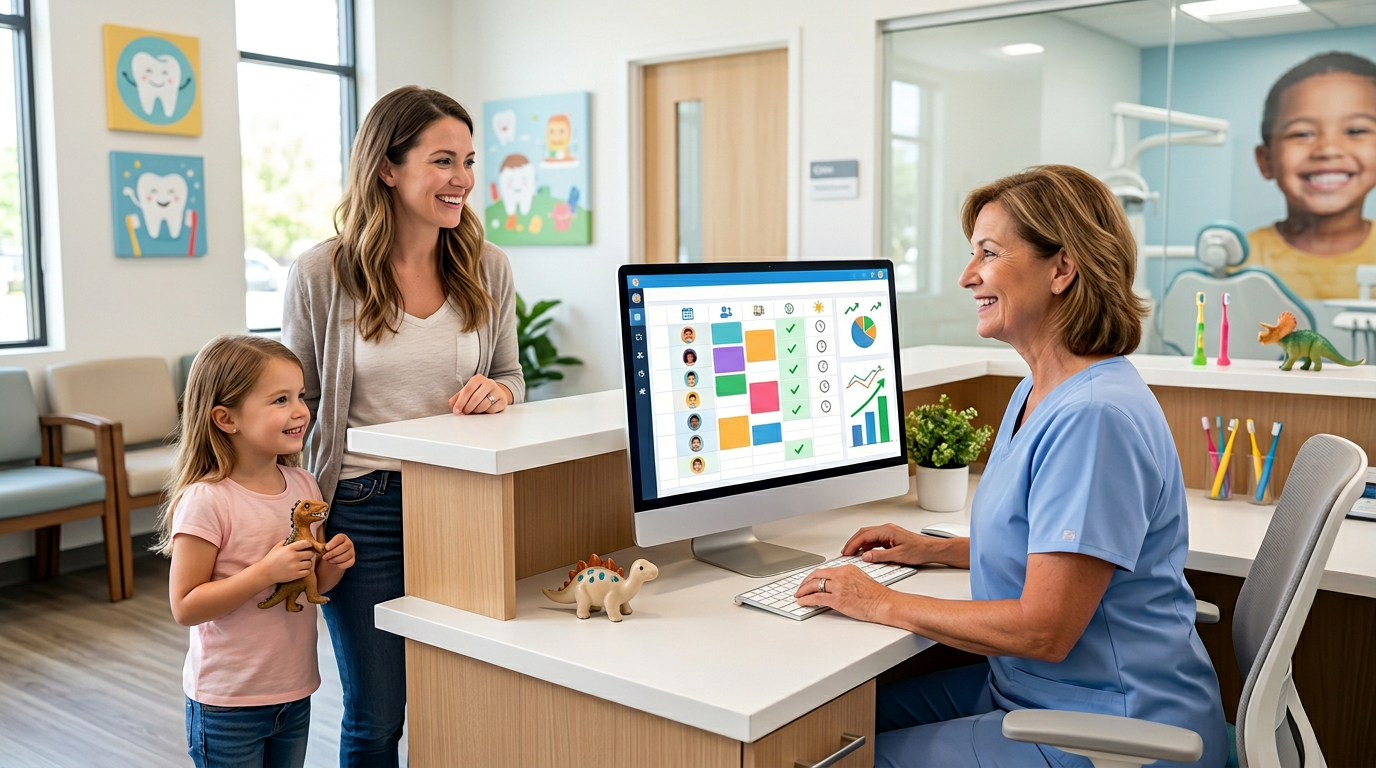
Automated dental scheduling software transcends manual systems, using technology to streamline appointment management, sharpen communication, and proactively address the root causes of missed appointments. For pediatric practices, it meets the unique needs of young patients and their busy families.
1. Streamlined Online Appointment Booking
A foundational pillar is letting patients book online. This convenience and flexibility lets parents schedule at their leisure, outside practice hours, lowering the barrier to booking and reducing no-shows by ensuring the appointment is chosen at a genuinely convenient time. An intuitive online appointment scheduling experience makes this effortless.
- 24/7 Accessibility: Parents book anytime, anywhere, fitting scheduling into busy lives.
- Self-Service Empowerment: Giving parents control increases their commitment to the appointment.
- Real-time Availability: The system displays current openings, preventing double-bookings.
- Reduced Phone Tag: Less time on calls frees staff for other patient care tasks.
2. Intelligent Automated Reminders
This is arguably the most impactful feature for reducing missed appointments. The software sends timely, customizable reminders across channels, sharply lowering the chance a parent forgets.
- Multi-Channel Communication: Reminders go out via SMS, email, or automated voice calls, matching diverse parental preferences.
- Customizable Timing: Set multiple reminders, for example a week before, two days before, and an hour before, to provide ample notice.
- Personalized Content: Include the child's name, appointment time, date, location, and pre-appointment instructions (e.g., "Please ensure [Child's Name] brushes thoroughly before the visit").
- Confirmation and Rescheduling Options: Patients can confirm or reschedule directly from the reminder, simplifying the process and letting you fill newly opened slots quickly.
3. Optimized Recall and Recare Systems
A consistent recall schedule is vital in pediatric dentistry for monitoring growth, development, and preventive care. Automated systems excel here, identifying patients due for their next check-up and sending targeted reminders to schedule. This prevents long gaps in care and keeps children on their prescribed routine.
- Automated Outreach: The system identifies patients due for their next visit and initiates contact.
- Personalized Follow-ups: Messages tailor to the child's recall needs (e.g., 6-month check-up, fluoride treatment).
- Improved Continuity of Care: Ensures regular preventive care, reducing urgent issues later.
4. Waitlist Management for Immediate Fills
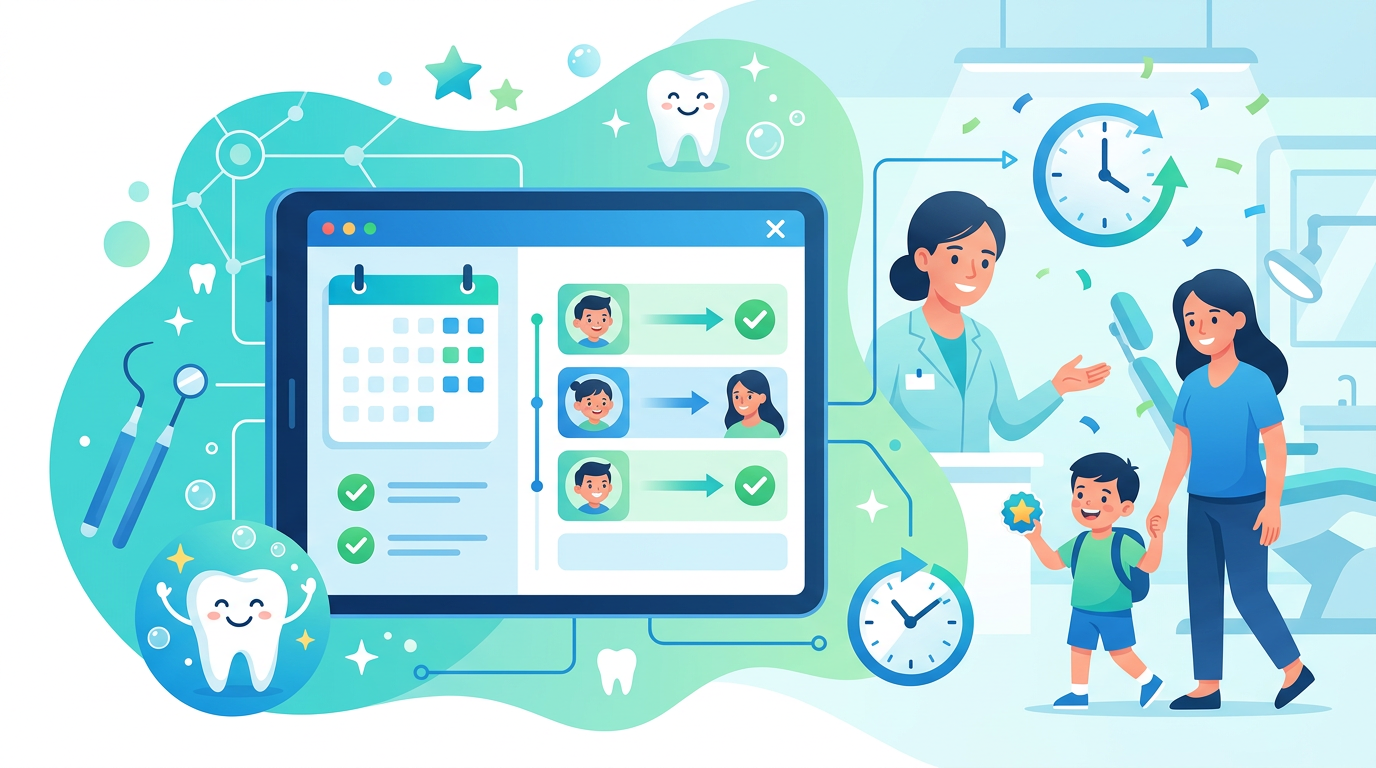
Even with the best reminders, cancellations happen. Automated scheduling software typically includes a dynamic waitlist. When a slot opens, the system can automatically contact waitlisted patients seeking an earlier appointment, or those matching specific criteria, to offer the newly available time, softening the impact of cancellations.
- Instant Slot Filling: Minimizes lost revenue from last-minute cancellations.
- Improved Patient Access: Lets patients needing earlier appointments be seen sooner.
- Reduced Administrative Burden: Eliminates manual calling through a waitlist.
5. Patient Data Integration for Enhanced Personalization
Modern scheduling software often integrates seamlessly with the practice's Patient Management System (PMS). This holistic view informs communication. For example, reminders can acknowledge a child's previous anxiety, offer tips for a calmer visit, or mention upcoming procedures. This personalization deepens parental engagement and commitment, and it pairs naturally with streamlined patient management.
- Holistic Patient View: Access to medical history, prior visit notes, and communication preferences.
- Targeted Communication: Tailor messages to a child's age, dental needs, or past experiences.
- Building Trust: Demonstrates attentiveness to individual needs, strengthening relationships.
6. Analytics and Reporting for Continuous Improvement
A key benefit of automated systems is data. Practices can report on no-show rates, cancellation patterns, and reminder engagement, gaining insight into attendance trends, identifying peak no-show times, understanding common reasons, and refining communication for better outcomes in 2025 and beyond.
- Identify Trends: Pinpoint days, times, or patient groups with higher no-show rates.
- Evaluate Effectiveness: Measure the success of different reminder strategies.
- Informed Decision-Making: Use data to optimize scheduling policies and communication protocols.
- Resource Allocation: Better predict demand and allocate staff efficiently.
Implementing Automated Scheduling: Best Practices for Pediatric Dentistry
The software is powerful, but successful implementation in a pediatric setting requires thoughtful planning and execution.
- Educate Parents: Clearly explain the benefits of automated reminders and online booking, and show them how easy it is to use.
- Tailor Communication: Use child-friendly language where appropriate (e.g., "Time for a super smile check-up!") and reinforce the importance of consistent care for developing teeth.
- Offer Multiple Confirmation Options: Let parents confirm via text, email, or a quick call-back number if they prefer.
- Integrate with Existing Systems: Ensure seamless integration with practice management software to avoid data silos.
- Train Staff Thoroughly: Empower your team to use every feature, understand its benefits, and troubleshoot minor issues.
- Regularly Review Data: Use analytics to continuously refine reminder strategies.
- Be Flexible and Empathetic: Keep a human touch; unforeseen circumstances still arise for families.
Denti360's Vision for a Future-Ready Pediatric Dental Practice
At Denti360, we believe embracing advanced dental technology isn't just about efficiency; it's about elevating patient care. For pediatric dentistry, that means ensuring every child has consistent access to the oral healthcare they need to thrive. Automated dental scheduling software is more than a tool; it's a strategic partner.
By significantly reducing missed appointments, pediatric practices can:
- Improve Patient Outcomes: Consistent visits mean better preventive care, earlier detection, and healthier smiles.
- Enhance Practice Efficiency: Optimize chair time, reduce administrative burden, and streamline daily operations.
- Boost Revenue and Profitability: Fewer missed appointments mean more completed procedures and a more stable financial foundation.
- Elevate Patient Satisfaction: Parents value convenient online booking and helpful reminders, creating a more positive experience.
- Reduce Staff Stress: Less chasing of patients and fewer last-minute cancellations improve morale and focus on patient interaction.
A Smarter Approach to Pediatric Dental Care With Denti360
The challenges of missed appointments in pediatric dentistry are real, but so are the solutions. Automated dental scheduling software offers a comprehensive, intelligent, and empathetic way to manage appointments, from 24/7 online booking and multi-channel reminders to waitlist management and insightful analytics. The result is dramatically fewer no-shows, healthier practice operations, stronger finances, and most importantly, consistent, high-quality care for young patients. Make 2025 a year of unprecedented efficiency and patient satisfaction. Connect with Denti360 to bring automated scheduling to your pediatric practice.