
Automating Dental Post-Procedure Follow-Ups for Better Care and Efficiency
Automated dental follow-ups solve a problem every busy practice knows too well: high patient volumes and relentless admin make consistent post-procedure care nearly impossible to deliver by hand. Yet this phase cannot be overstated. Effective follow-ups are crucial for monitoring recovery, preventing complications, reinforcing patient education, building trust, and fostering long-term loyalty. For Denti360, a leader in dental healthcare and technology, leveraging technology is key to bridging this gap. This guide explores how automating post-procedure follow-ups transforms your practice, leading to better patient outcomes, higher satisfaction, and unparalleled operational efficiency.
The traditional manual approach relies on phone calls, paper instructions, or sporadic emails. Well-intentioned as they are, these methods are prone to inconsistency, consume valuable staff time, and easily fall through the cracks in a busy schedule. Automation offers a powerful alternative, delivering timely, personalized, and consistent communication so every patient feels valued and well cared for.
Why Post-Procedure Follow-Ups Are Critical in Dentistry
Before turning to automation, it helps to understand why follow-ups matter so much:
- Preventing complications: Procedures from extractions and root canals to implant placements carry risks like infection, excessive bleeding, or delayed healing. Timely follow-ups let the practice identify and address issues proactively, often before they escalate.
- Ensuring adherence to post-op instructions: Patients often forget or misunderstand verbal instructions. Written or digital reminders reinforce medication schedules, dietary restrictions, oral hygiene, and activity limitations.
- Managing pain and discomfort: Post-operative pain is common. Follow-ups let patients report pain levels and receive guidance, reducing anxiety and improving their experience.
- Patient education and empowerment: Consistent communication teaches patients what to expect, empowering them to take an active role in healing.
- Building trust and loyalty: When patients feel their provider cares beyond the chair, trust deepens and loyalty strengthens, often producing positive reviews and referrals.
- Monitoring treatment success: For complex procedures, follow-ups are essential for assessing long-term success and making necessary adjustments.
Given these roles, automating the process is not merely a convenience but a strategic imperative for any forward-thinking practice.
What Automated Post-Procedure Follow-Up Entails
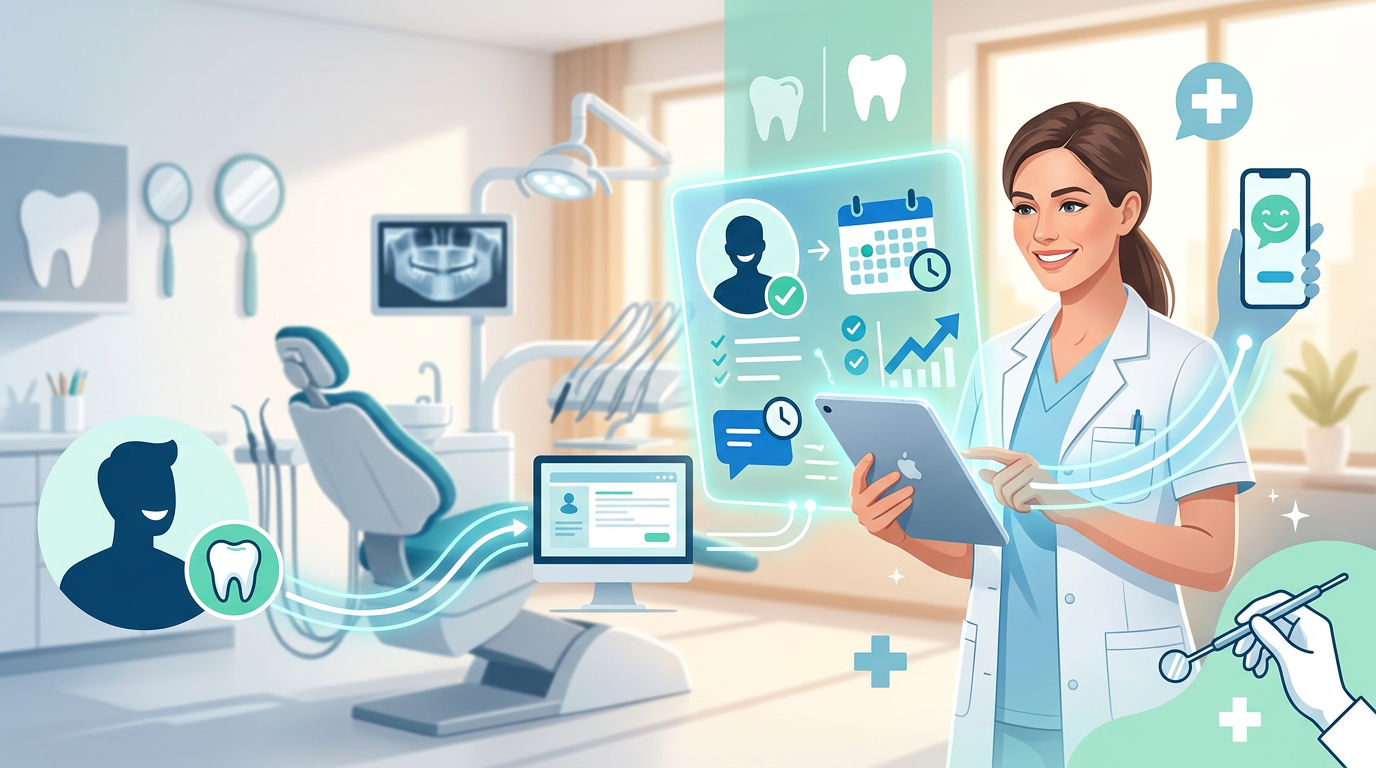
Automated systems use technology to send pre-scheduled, personalized communications after a procedure. These can take several forms:
- SMS text messages: Short, concise reminders or check-ins to a patient's mobile phone.
- Emails: More detailed messages with links to educational videos, care instructions, or FAQs.
- Automated phone calls: Pre-recorded messages or interactive voice response systems that deliver information or gather feedback.
- Patient portal messages: Secure messages sent to a patient's online portal, often integrated with their electronic health record.
- Push notifications: For practices using a dedicated patient app.
The content and timing are tailored to the specific procedure and the patient's individual needs, ensuring relevance and effectiveness.
Key Features of an Effective Automated Follow-Up System
To genuinely enhance patient care and efficiency, an automated follow-up system should include several key features:
- Procedure-specific templates: Customizable templates for a wide range of procedures such as extractions, fillings, root canals, orthodontics, and implants, each with relevant instructions, potential complications, and expected recovery timelines.
- Personalization capabilities: Messages personalized with the patient's name, the procedure performed, and the treating dentist's name to avoid sounding generic.
- Multi-channel communication: Support for SMS, email, and patient portal messages so communications reach patients through their preferred channel.
- Scheduled delivery: The ability to schedule messages at optimal intervals such as 2 hours post-procedure, 24 hours, 3 days, and 1 week based on the recovery timeline.
- Interactive capabilities: Patients can respond, for example replying YES if feeling fine or NO if they have concerns, letting the system flag those needing manual intervention.
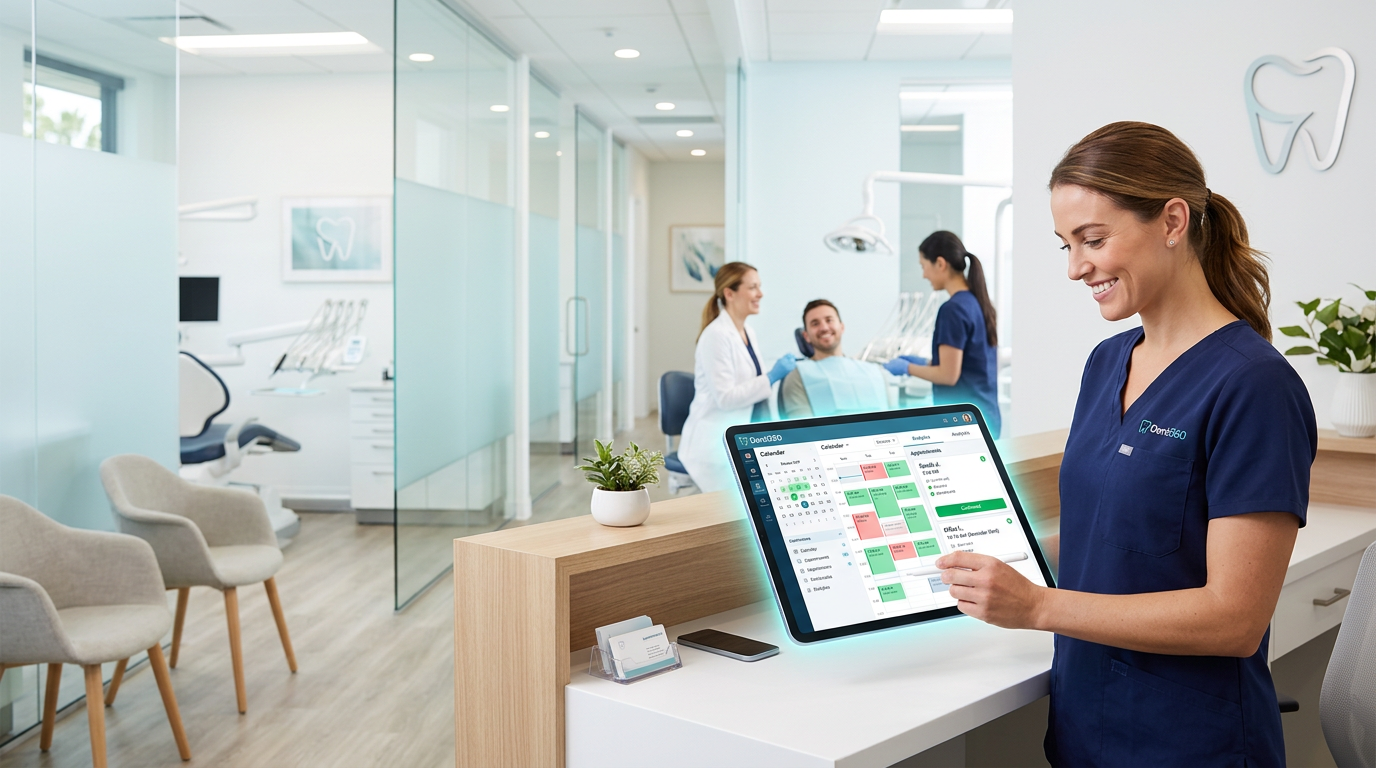
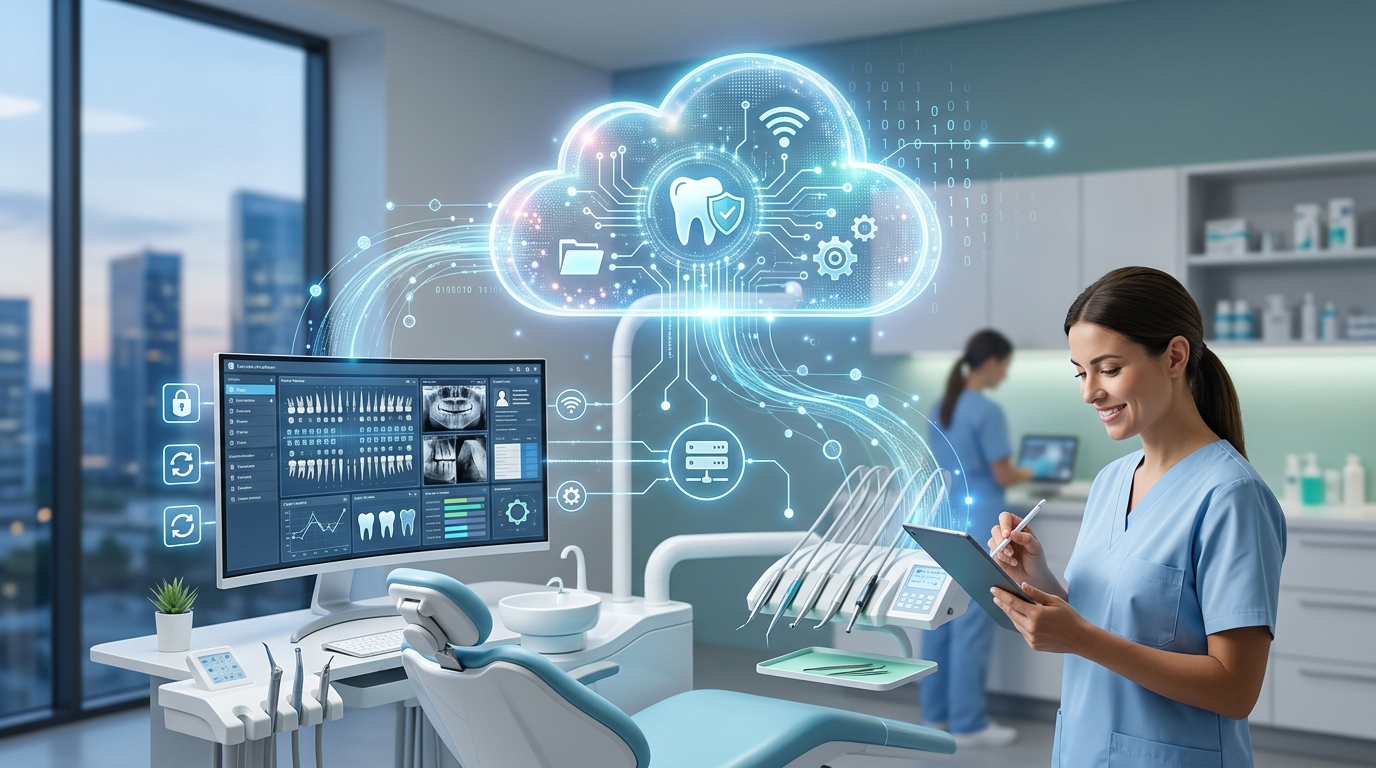
- Integration with practice management software and EHR: Seamless integration automatically triggers follow-ups post-procedure, updates records with communication logs, and streamlines workflow.
- Analytics and reporting: Insights into delivery rates, open rates, response rates, and reported issues so practices can refine their strategy.
- Escalation protocols: For critical responses such as severe pain or complications, the system automatically alerts staff for immediate manual follow-up.
- Compliance with HIPAA and GDPR: Ensuring all communications are secure and adhere to patient privacy regulations is non-negotiable.
- Multi-language support: Communications in multiple languages significantly improve comprehension and experience for diverse populations.
Benefits of Automating Follow-Ups for Denti360 Practices
An automated follow-up system delivers a multitude of benefits.
For Patients
- Enhanced safety and faster recovery: Timely reminders about medication and care lead to better adherence and fewer complications, and patients feel more secure knowing their team is checking in.
- Reduced anxiety: Knowing what to expect and having an easy way to raise concerns significantly reduces stress.
- Improved education: Reinforced post-op instructions ensure patients fully understand their care.
- Increased satisfaction: Personalized, proactive care makes patients feel valued for a more positive experience.
- Convenience: Receiving information directly on their preferred device is convenient and accessible.
For the Dental Practice
- Significant time savings: Freeing staff from manual calls lets them focus on direct patient care and more complex tasks.
- Consistent communication: Every patient receives the same high standard of follow-up, reducing variability and oversight.
- Reduced risk of complications and malpractice claims: Proactive follow-ups catch issues early, and documented communications also serve as a legal safeguard.
- Increased retention and referrals: A superior experience drives loyalty, repeat business, and word-of-mouth, your best marketing tool.
- Improved patient outcomes: Better adherence to instructions contributes directly to more successful treatment.
- Enhanced operational efficiency: Streamlined communication creates a more organized, efficient workflow. This kind of streamlined patient management keeps recovery on track without extra effort.
- Data-driven insights: Analytics reveal patient engagement and common post-op issues to inform continuous improvement.
- Competitive advantage: Practices that embrace advanced technology stand out in a competitive market.
Implementing Automation: A Step-by-Step Approach
For Denti360 practices looking to implement or optimize automated follow-ups, consider these steps:
- Assess your current process: Document how follow-ups are handled today and identify bottlenecks, inconsistencies, and areas to improve.
- Define your goals: Decide what you want to achieve, such as reducing follow-up calls by 50%, improving satisfaction scores by 10%, or reducing post-op complications.
- Research and select a solution: Evaluate communication platforms with automated follow-up features. Prioritize ones that integrate seamlessly with your Denti360 software, meet HIPAA standards, and offer user-friendly interfaces.
- Customize templates: Create or customize message templates for your most common procedures, keeping them clear, concise, and aligned with your care instructions, with links to your website or patient portal for detail.
- Set up timing and triggers: Configure messages at appropriate intervals and ensure the system triggers automatically once a procedure is completed and charted in your PMS.
- Train your staff: Educate the team on how the system works, what messages patients receive, how to respond to inquiries, and how to use escalation protocols.
- Inform your patients: Let patients know they will receive automated follow-up messages and explain the benefits during consultation and after their procedure.
- Monitor and optimize: Review performance with analytics, gather patient and staff feedback, and make continuous improvements. By mid-2025, for example, you might find a 48-hour follow-up more effective than a 24-hour one for a particular procedure.
Challenges and Considerations
While the benefits are clear, keep these considerations in mind:
- Patient preferences: Not everyone prefers digital communication, so provide an opt-out and a manual fallback.
- Message fatigue: Avoid over-communicating and find the right balance to inform without overwhelming patients.
- Integration complexity: Ensure the chosen system integrates smoothly with existing Denti360 software to avoid data silos or extra manual work.
- HIPAA compliance: Choose vendors that prioritize data security and never transmit sensitive health information insecurely.
- The human touch: Automation should augment, not replace, human interaction, and critical cases will always require personal follow-up.
The Future of Patient Care With Denti360
As dental technology evolves, automated post-procedure follow-ups will become a standard component of high-quality care. For Denti360 practices, embracing these innovations is about more than efficiency; it elevates the entire patient experience, ensuring every patient feels supported, informed, and truly cared for long after they leave the operatory. Automating these communications lets practices dedicate more time to what truly matters: exceptional clinical care and lasting relationships.
Imagine a future in 2025 where your practice seamlessly manages hundreds of post-operative patients with minimal staff intervention, yet every patient receives personalized, timely check-ins that mean fewer complications, higher satisfaction, and a thriving practice. With the right technology and strategic implementation, that future is entirely achievable.
Denti360 empowers dental professionals with the tools to innovate, and automating post-procedure follow-ups is a prime example of turning routine tasks into powerful drivers of patient satisfaction and practice success. Ready to invest in automation and a brighter future for your patients? Connect with the Denti360 team to see how our platform can put consistent, personalized follow-up care on autopilot.