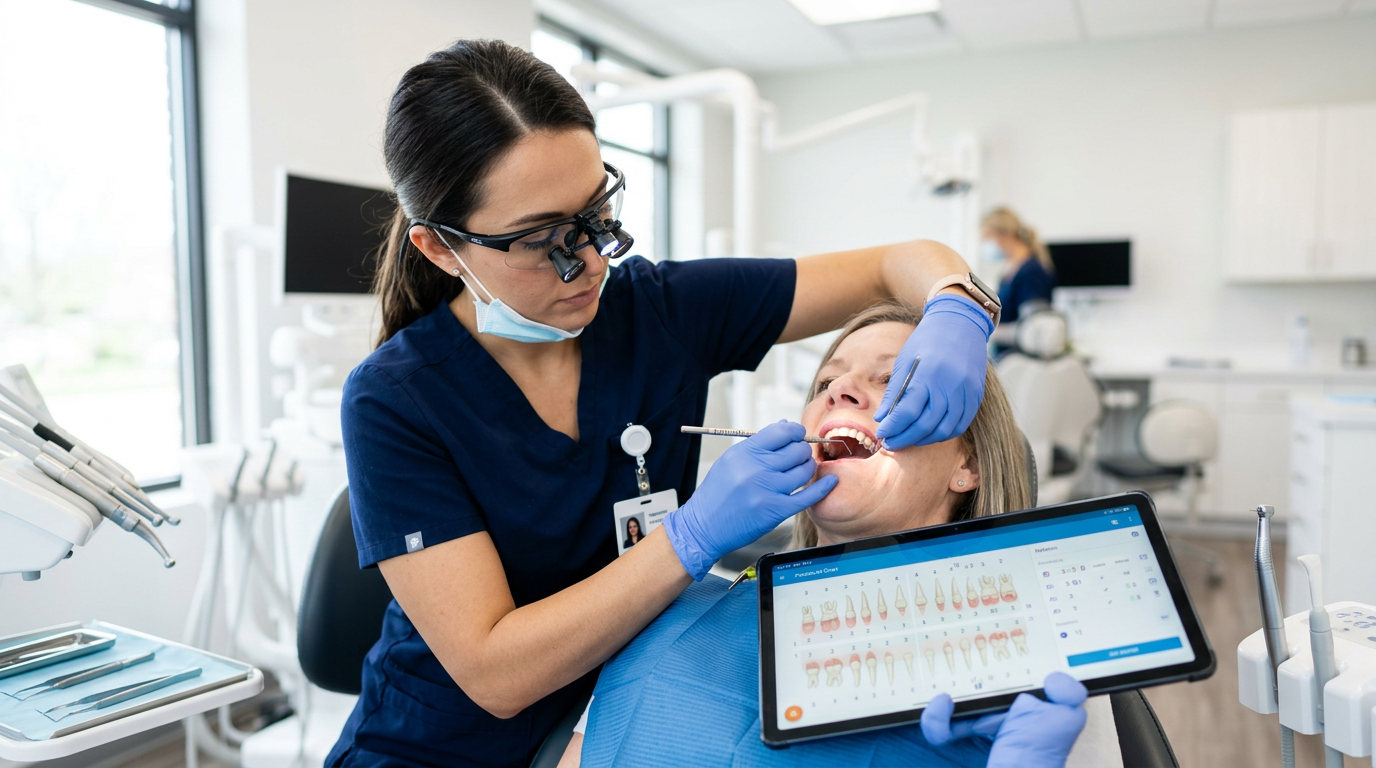

Walk into any busy dental clinic in India and you will find at least a handful of patients in the waiting area who look more apprehensive than they should for a routine check-up. Dental anxiety is not a personality flaw or an exaggeration — it is a well-documented physiological and psychological response that affects a significant share of the population. For dental professionals, understanding and actively addressing this anxiety is one of the highest-leverage things you can do for both patient retention and treatment acceptance. A comfortable patient is a returning patient, and a returning patient is the foundation of a sustainable practice.
Understanding What Drives Dental Fear
Dental anxiety rarely appears out of nowhere. For most patients, it traces back to one or more specific triggers: a painful injection during childhood, the sound of a high-speed handpiece, the feeling of being reclined and unable to move, or simply the smell of the clinic. Understanding the root cause for each patient is the first step toward managing it effectively.
During the initial consultation or new patient intake, take a few minutes to ask directly: "Is there anything about dental visits that makes you uncomfortable?" Most anxious patients are relieved when someone finally asks. That single question opens a conversation that allows you to tailor the entire appointment — from communication style to instrument choice — around the patient's specific concerns. This is patient-centred dental care at its most practical.
It also helps to distinguish between different levels of anxiety. Mild nervousness responds well to explanation and a gentle approach. Moderate anxiety may benefit from distraction techniques or oral sedation. Severe dental phobia, which affects a smaller subset of patients, often requires a structured desensitisation programme and, in some cases, coordination with a mental health professional before any clinical work can proceed.
Communication Techniques That Reduce Fear Before the Patient Sits Down
Much of dental anxiety is driven by the unknown. Patients fear what they cannot predict, so one of the most effective tools you have is clear, consistent communication — starting long before they arrive at the clinic.
- Pre-appointment messaging: A brief WhatsApp message or SMS the day before explaining what to expect during the appointment can reduce anticipatory anxiety significantly. Mention how long the appointment will take, whether there will be any injections, and what the patient can do if they feel uncomfortable during treatment.
- The stop signal: At the start of any procedure, tell the patient they can raise their left hand at any time and you will immediately pause. This simple agreement restores a sense of control and, paradoxically, makes patients less likely to actually use the signal — because they know they can.
- Narrate as you go: Describe what you are doing in plain language before you do it. "I am going to dry the area with some air — you may feel a slight coolness" is vastly preferable to silence followed by an unexpected sensation.
- Avoid loaded words: Words like "pain", "needle", "drill", and "cut" activate the threat-detection system before anything has even happened. Clinical teams benefit from developing a shared vocabulary of neutral alternatives used consistently across all staff.
Clinical and Environmental Adjustments That Make a Real Difference
Beyond communication, the physical environment of your clinic sends constant signals to the nervous system of an anxious patient. These signals accumulate — and they can work for you or against you.
Sound management is particularly important. The high-pitched whine of a handpiece is one of the most universally reported triggers of dental anxiety. Placing the anxious patient in an operatory farthest from the compressor room, offering headphones with music or a podcast, or simply giving the patient something auditory to focus on can meaningfully reduce the perceived intensity of clinical noise.
Lighting also matters. Bright operatory lights aimed directly at a patient's face can be distressing. Adjust the light angle so it illuminates the oral cavity without shining into the patient's eyes, and consider dimmable ambient lighting in the waiting area to create a calmer atmosphere.
Scent is an often-overlooked trigger. The chemical smell associated with dental clinics — eugenol, disinfectants, dental materials — is strongly conditioned in anxious patients. A subtle diffuser with a neutral or mildly pleasant scent in the waiting area can disrupt this conditioning over time.
For paediatric patients and adults with significant phobia, distraction with ceiling-mounted screens or tablet entertainment during treatment reduces perceived discomfort and makes the session more manageable for everyone involved.
Pharmacological Options for Moderate to Severe Anxiety
When non-pharmacological strategies are insufficient, sedation dentistry provides safe, well-established options that allow patients to receive the treatment they need.
- Nitrous oxide (laughing gas): The mildest and most flexible option. Inhaled through a nasal mask, nitrous oxide produces calm and mild euphoria within minutes. The effects wear off rapidly after the mask is removed, making it suitable for patients who need to drive or return to work. It is ideal for routine procedures and for patients with mild to moderate anxiety.
- Oral sedation: A prescribed benzodiazepine taken an hour before the appointment produces moderate drowsiness and significant reduction in anxiety. Patients remain conscious and responsive but are deeply relaxed and often have limited memory of the procedure. A chaperone for transport is required.
- IV sedation: Offers titrateable, deeper sedation with rapid onset. The dentist can adjust the level throughout the procedure. This option requires appropriate monitoring equipment, trained staff, and adherence to sedation protocols. It is particularly valuable for lengthy or invasive treatments in highly anxious patients.
Whichever option you use, document the patient's anxiety level, the sedation protocol followed, monitoring parameters, and post-procedure instructions in your dental software. Good documentation protects both the patient and the practice.
How Dental Software Supports Anxiety Management Across the Patient Journey
Anxiety management is not a single event — it is a thread that runs through every patient interaction. Dental practice management software plays a supporting role that is easy to underestimate.
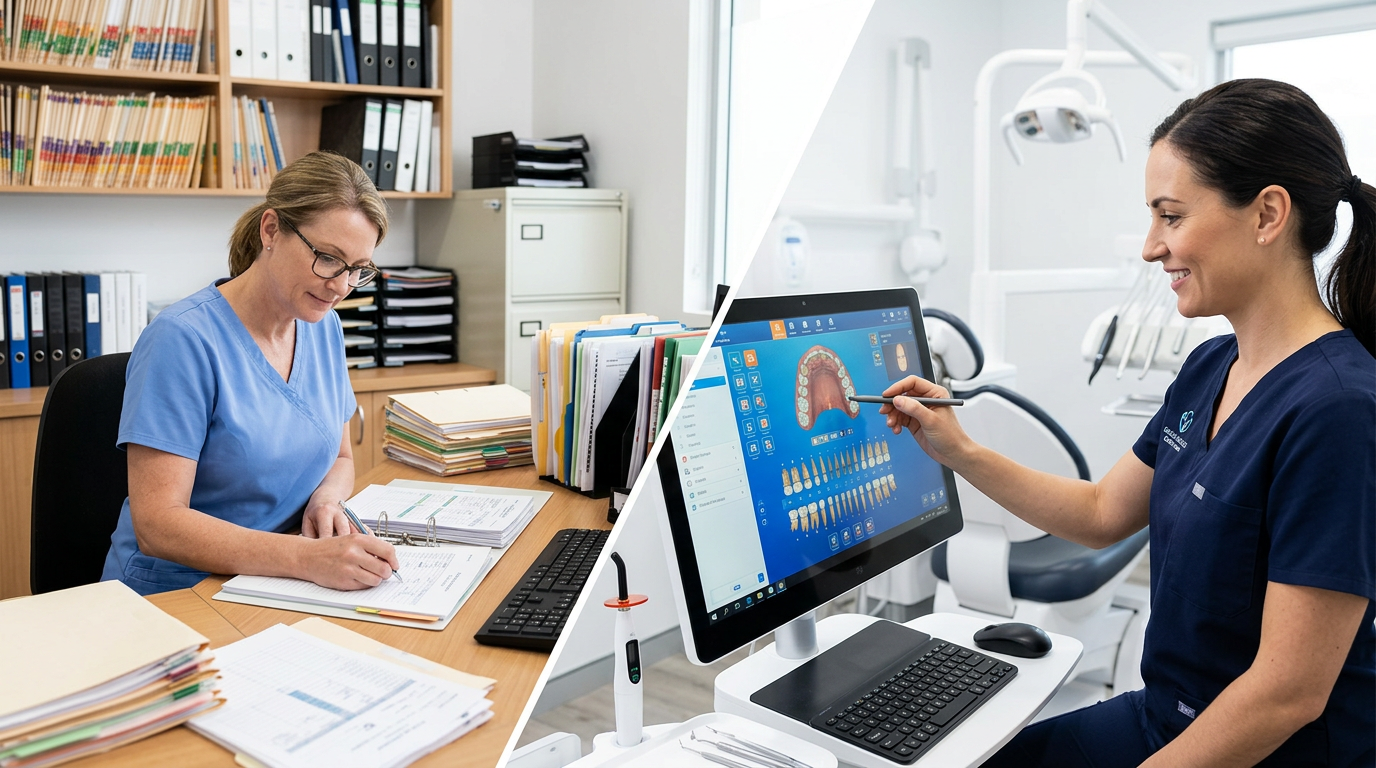
Patient records that flag anxiety levels allow every team member — from the front desk to the dental assistant — to approach that patient with appropriate care before a word is spoken. Automated appointment reminders sent through platforms like Denti360 can include personalised notes that reassure anxious patients and reduce last-minute cancellations driven by pre-appointment fear. Post-appointment follow-up messages checking on the patient's comfort reinforce that the practice genuinely cares beyond the clinical appointment.
Recall systems that allow anxious patients to book at their own pace through an online portal, rather than navigating a phone call, remove one more friction point from the experience. For practices building a reputation for patient comfort, these operational details add up to a meaningfully different experience than what patients receive at a generic clinic.
Tracking anxiety-related notes longitudinally also allows you to see whether a patient's confidence in dental care is improving over time — a positive outcome worth celebrating and reinforcing.
Building a Practice Culture Centred on Patient Comfort
Individual techniques only work if the entire team is aligned around the same values. Front desk staff who are abrupt or dismissive can undo the careful communication of even the most empathetic clinician. Train every team member to greet anxious patients warmly, offer a few minutes of calm conversation before an appointment, and never make a patient feel foolish for being scared.
Regular case discussions where the team shares what worked for a particularly anxious patient build collective competency and create a culture where comfort is taken as seriously as clinical quality. In the long run, that culture is one of the strongest differentiators a dental clinic in India can build.
Conclusion
Reducing dental anxiety is one of the most impactful things a dental practice can do — for patient health, for treatment acceptance, and for long-term practice growth. The strategies are not complicated: listen carefully, communicate clearly, manage the environment thoughtfully, and use sedation when it is genuinely needed. What makes the difference is consistency and intentionality across every patient touchpoint.
If you want to see how Denti360 can help your practice deliver a smoother, more reassuring patient experience — from automated reminders that reduce pre-appointment anxiety to clinical notes that track patient comfort over time — book a free Denti360 demo today.