
Digital Dental Charting: The Cure for Paper-Chart Chaos in Modern Practices
Digital dental charting eliminates the lost charts, illegible handwriting, and time-wasting filing that slow down busy practices every day. For decades, paper records were the hallmark of a dental office, but the format is static, error-prone, and impossible to access in two rooms at once. As a cornerstone of the paperless dental office, digital charting transforms how teams record patient information, diagnose conditions, and plan treatments. At Denti360, we know technology drives better oral healthcare, and digital charting is a prime example of innovation that makes a tangible difference at the chairside.
This guide covers the fundamentals of digital dental charting, the benefits it delivers, the key features to look for, and how it fits into the broader digital ecosystem of a practice. Whether you are a seasoned practitioner weighing an upgrade or a new dentist building a practice, understanding digital charts is essential to thriving in modern dental healthcare. You can explore more practice efficiency topics across our dental practice blog.
What Is Digital Dental Charting? A Shift in Patient Management
At its core, digital dental charting replaces physical paper charts with electronic records. Instead of hand-drawn diagrams and written notes, dental professionals use specialized software to record every aspect of a patient's oral health: existing conditions, restorative work, periodontal measurements, treatment plans, medical history, and more. The digital format delivers a richer, more dynamic, and easily accessible record that moves well beyond the limits of static paper.
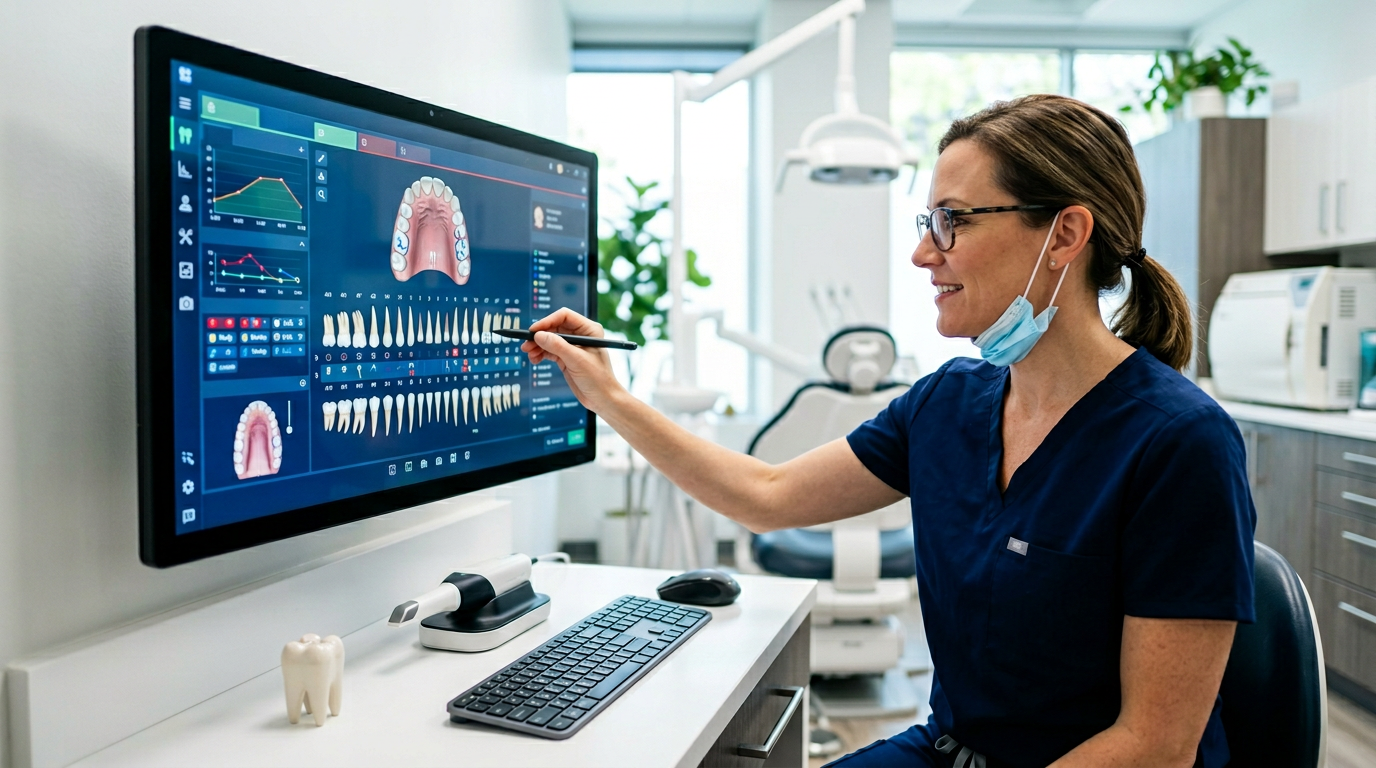
Picture a visual representation of a patient's entire dentition, color-coded for fillings, crowns, extractions, decay, and periodontal pockets. That is exactly what digital charting offers. With a few clicks, dentists input data, review history, and generate comprehensive reports inside a secure, organized environment. This isn't merely converting paper to pixels; it transforms the entire workflow of patient data management.
The Benefits of Digital Dental Charting for Your Practice
Moving from paper to digital systems delivers advantages that touch every part of a practice, from operational efficiency to patient satisfaction. Here are the most significant benefits.
1. Sharper Accuracy and Detail
Manual charting invites human error, illegible handwriting, and inconsistencies. Digital charting software counters this with standardized input fields, predefined codes, and visual aids that minimize mistakes, producing more precise and detailed records. Periodontal charting, for example, can automatically calculate pocket depths and attachment loss for objective, consistent measurements. Integrating intraoral camera images and X-rays directly into the chart gives a more holistic, accurate view of oral health.
2. Streamlined Workflow and Time Savings
The most immediate benefit is less time on administrative tasks. Digital charts eliminate pulling, filing, and refiling paper, and information is accessible instantly from any authorized workstation. Pre-filled options and drop-down menus speed data entry. This efficiency frees administrative staff and clinicians to focus on patient care rather than paperwork, and it pairs naturally with streamlined patient management across the whole practice.
3. Better Accessibility and Collaboration
Digital charts are available to authorized personnel across multiple workstations at once. A hygienist can chart while the front desk reviews appointment history, or the dentist can prepare for a procedure while reviewing past treatments. This immediate access enables seamless collaboration, keeping everyone on the most current and complete information. Secure remote access is also invaluable for dentists reviewing urgent cases outside office hours.
4. Stronger Security and Data Integrity
Paper charts are vulnerable to loss, damage, and unauthorized access. Digital systems with robust security, including encryption, password protection, and regular backups, offer superior data protection. Compliance with privacy regulations like HIPAA (or similar regional data protection acts) is far easier with digital records, since audit trails track who accessed what information and when. Role-based access controls reinforce this protection by limiting data to the right team members.
5. Better Patient Education and Engagement
Visual aids are powerful teaching tools. Digital charts let dentists display images of teeth, X-rays, and even animated treatment simulations right on screen. This visual explanation helps patients understand their diagnosis, the proposed treatment plan, and the importance of recommended procedures. Engaged, informed patients are more likely to accept treatment and follow home-care instructions.
6. Space Saving and Environmental Friendliness
Eliminating physical charts frees valuable office space once lost to filing cabinets and storage rooms. That space can become additional treatment rooms, waiting areas, or staff amenities. Reducing paper consumption also contributes to a more environmentally friendly practice, aligning with modern sustainability values.
7. Seamless Integration with Practice Management Tools
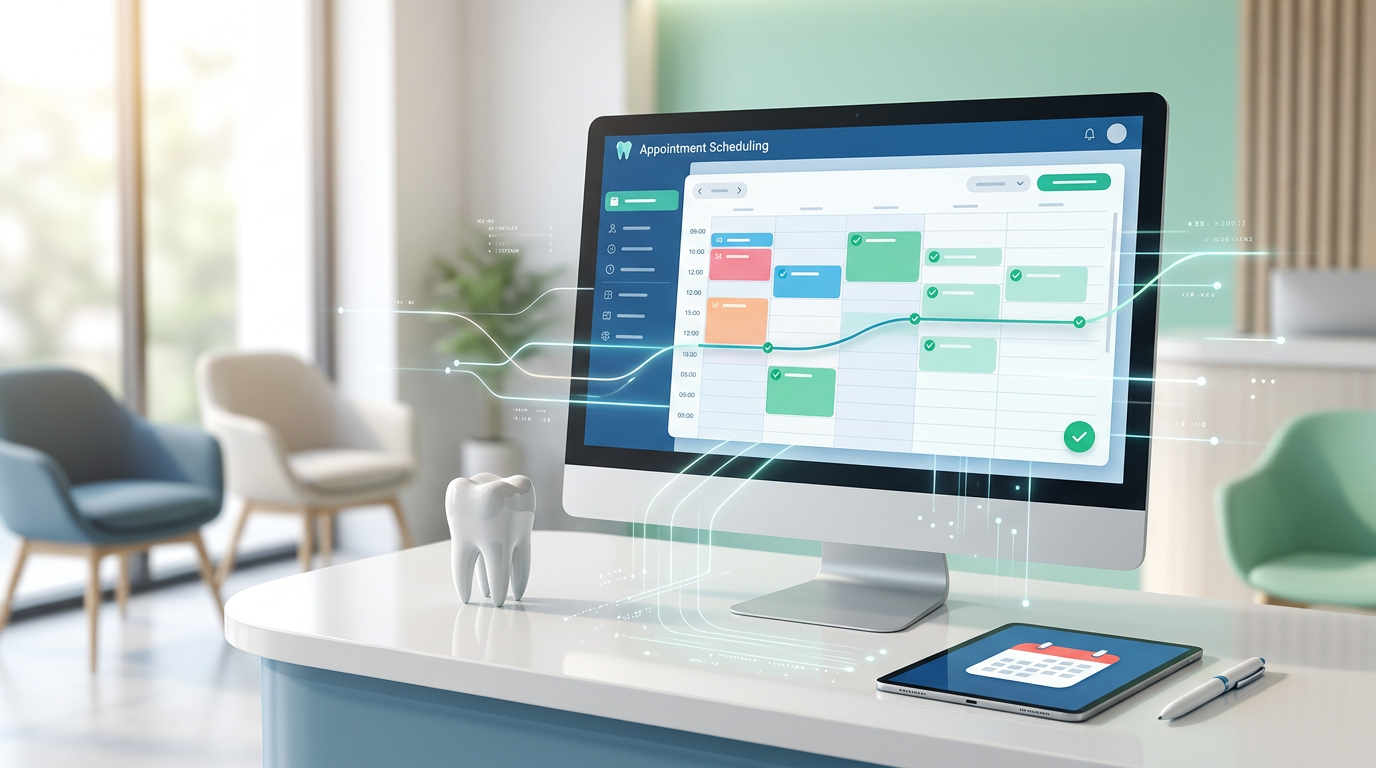
The real power of digital charting lies in integration with other dental software: practice management systems, digital radiography, intraoral cameras, scheduling software, billing and insurance processing, and lab communication portals. This interconnectedness creates a holistic digital ecosystem that minimizes redundant data entry and maximizes efficiency. A treatment plan charted digitally can automatically generate an invoice and pre-authorization request.
8. Data Analysis That Fuels Practice Growth
Digital records make practice data easy to extract and analyze. Dentists can run reports on common diagnoses, treatment acceptance rates, patient demographics, and more. These insights reveal trends, optimize marketing strategies, and support informed business decisions that drive growth and better patient outcomes.
Key Features to Look for in a Digital Dental Charting System
When evaluating digital charting solutions, look for these essential features to ensure the system fits your practice.
- Intuitive User Interface: The software should be easy to learn and navigate, minimizing the learning curve for staff.
- Comprehensive Charting Options: Must support restorative, periodontal, oral pathology, and orthodontic charting needs.
- Visual Charting: A clear, interactive graphical representation of the dentition is crucial.
- Customizable Templates: The ability to create custom notes, forms, and charting templates tailored to your workflow.
- Integration Capabilities: Seamless integration with practice management software, imaging software, and other digital tools.
- Security and Backup: Robust data encryption, role-based access controls, and automated backup solutions.
- Compliance Features: Adherence to industry standards like HIPAA, ensuring patient data privacy.
- Reporting and Analytics: Tools to generate reports on patient data, treatment trends, and practice metrics.
- Cloud-Based vs. On-Premise: Cloud solutions offer flexibility, remote access, and lower upfront costs, while on-premise solutions provide more control over data management.
- Scalability: The ability to grow with your practice, accommodating more users and data over time.
- Vendor Support and Training: Reliable technical support, training resources, and ongoing software updates are vital for long-term success.
Implementing Digital Dental Charting: A Smooth Transition
Transitioning to a digital charting system takes careful planning and execution. Here is a general roadmap for a successful rollout.
- Research and Selection: Thoroughly research providers against your practice's size, budget, and specific needs. Denti360 recommends evaluating solutions that offer comprehensive features and excellent support.
- Hardware Assessment: Confirm your existing hardware (computers, monitors, network) is sufficient, or plan upgrades. Consider tablets for chairside charting.
- Data Migration Plan: Decide how existing paper records will be handled, whether scanning critical historical data or maintaining dual systems during the transition.
- Training: Invest in comprehensive training for everyone using the new system. Hands-on practice and clear instructions are key.
- Phased Rollout: Start with one or two treatment rooms to identify and resolve issues before a full practice-wide implementation.
- Ongoing Support: Establish a clear line of communication with your software vendor for technical support and updates.
While the initial investment in time and resources can seem significant, the long-term gains in efficiency, accuracy, and patient care far outweigh the effort. By 2025, a practice without digital charting will likely be an anomaly, underscoring the urgency of this shift.
The Future Is Digital: Denti360's Vision for Modern Dentistry
At Denti360, we believe the future of dental care is inherently digital. Digital charting is not a passing trend; it is a fundamental shift toward more intelligent, efficient, patient-centric practices. It empowers professionals to deliver higher-quality care, reduce administrative burdens, and build stronger patient relationships through better communication and education.
Ready to leave paper charts behind? Denti360 brings digital charting, imaging, and patient records into one connected platform built for modern dentistry. See how our practice management features fit together, or contact our team for a personalized walkthrough and put your practice at the forefront of dental innovation.