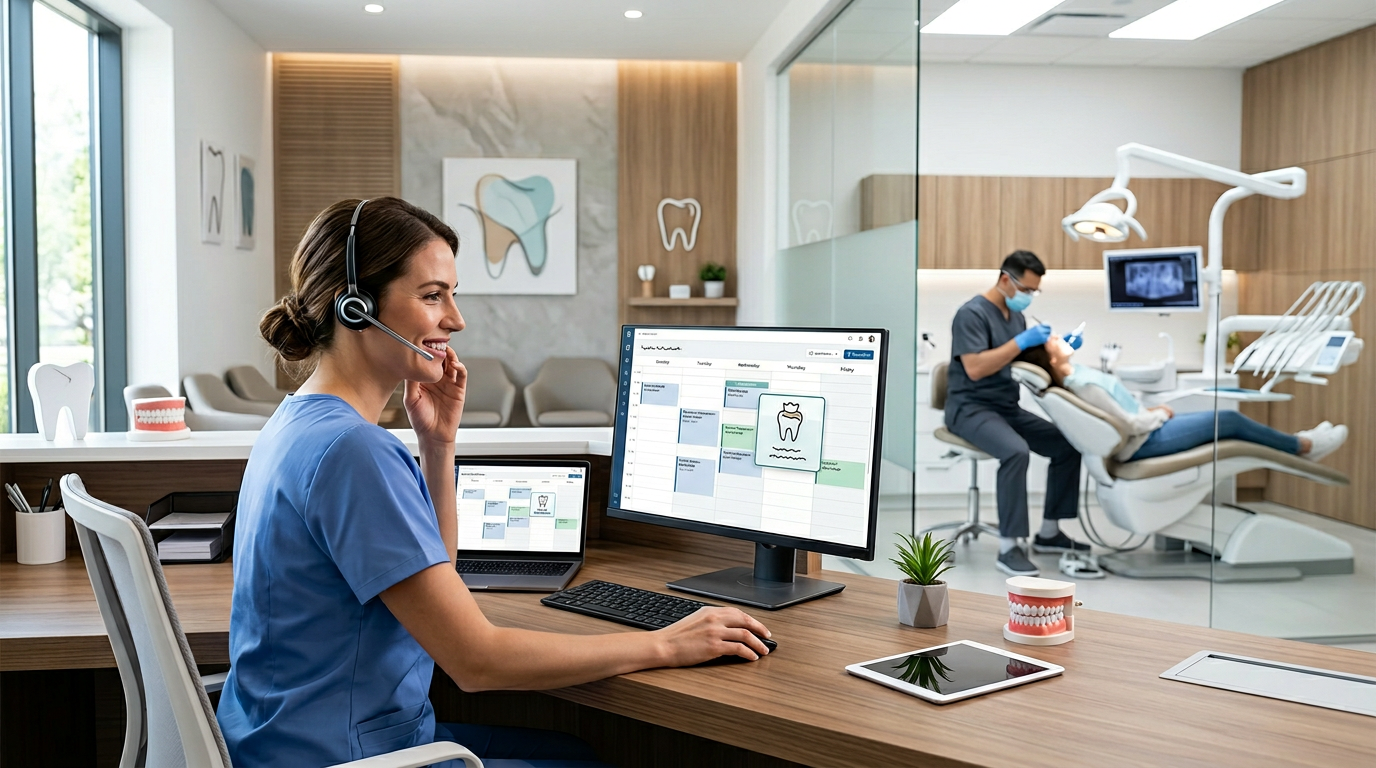

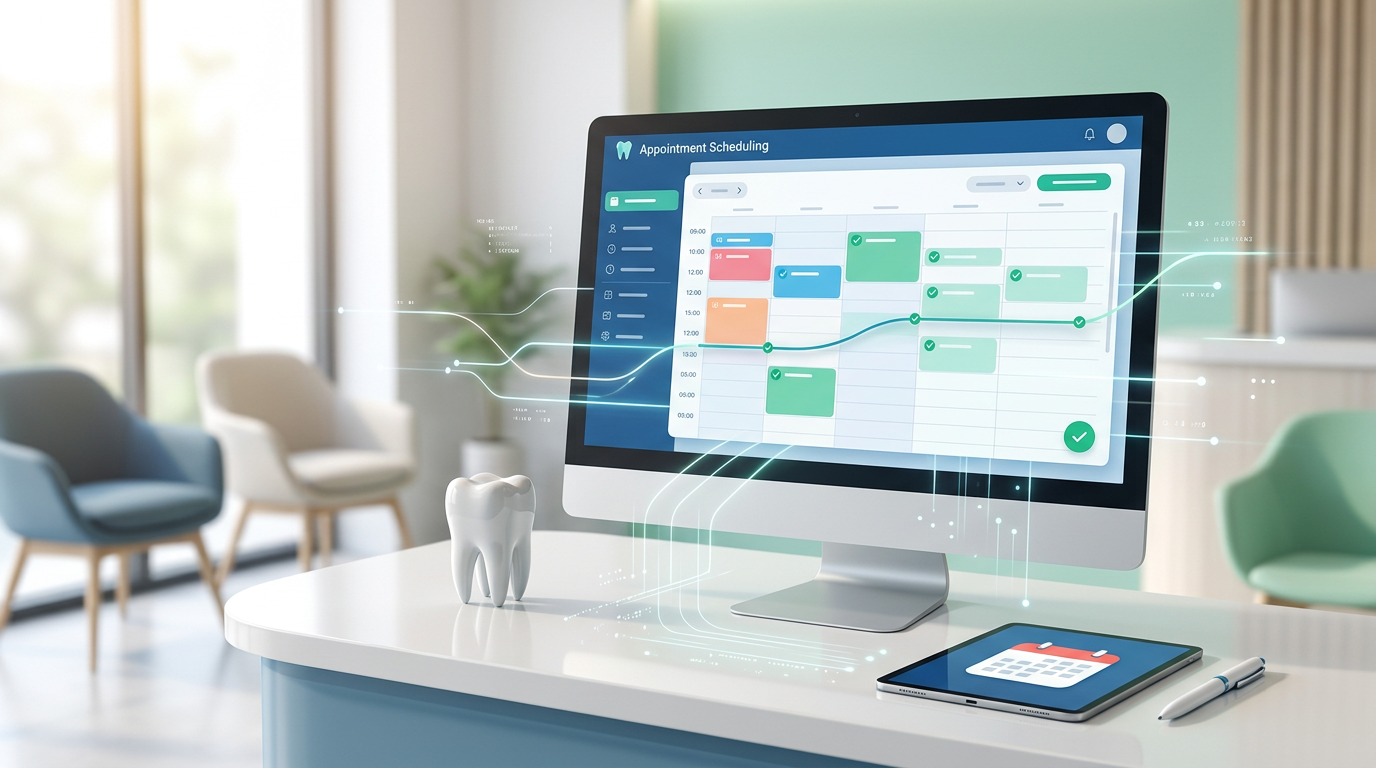
Reduce Patient Wait Times with Smarter Dental Scheduling Software
Dental scheduling software is your strongest tool for cutting patient wait times, the single friction point most likely to frustrate patients, disrupt clinic flow, and erode your reputation. Clinical outcomes are undeniably crucial, but the journey a patient takes from the moment they book an appointment to the minute they leave your office significantly shapes how they perceive your practice and whether they stay loyal. Long waits not only frustrate patients but also disrupt clinic flow, stress staff, stall your schedule, and ultimately chip away at your reputation and profitability. For dental practices, where time is literally money and patient comfort is key, efficient appointment management is not just an advantage; it is a necessity.
Dental scheduling software has evolved from a simple digital calendar into a sophisticated patient management system, giving you a powerful toolkit to attack wait times. Owning the software is not enough, though; maximizing its potential requires strategic implementation and continuous optimization. This comprehensive guide from Denti360 shows how dental practices can effectively streamline their scheduling software to dramatically reduce patient wait times, foster a superior patient experience, and unlock new levels of operational efficiency.
Understanding the Impact of Long Patient Wait Times
Before solutions, it helps to grasp the many costs of prolonged waits:
- Decreased Patient Satisfaction: Patients value their time. Long waits signal disorganization or disrespect, driving frustration, negative reviews, and reluctance to return.
- Increased Patient Churn: Dissatisfied patients seek care elsewhere, directly hitting revenue and growth.
- Staff Burnout and Stress: When appointments run late, the ripple stresses assistants, hygienists, and front desk staff who must manage anxious patients and a disrupted schedule.
- Reduced Productivity and Revenue: Unoptimized schedules create idle chairs, missed opportunities for added procedures, and fewer patients seen per day.
- Negative Online Reputation: In the age of online reviews, complaints about wait times quickly tarnish your digital presence and deter new patients.
The good news: these challenges are largely solvable with intelligent use of modern scheduling software.
Key Features of Advanced Dental Scheduling Software
Modern scheduling software goes far beyond basic booking. To reduce wait times, your system should include:
- Real-time Appointment Booking and Management: Staff and ideally patients can view and book available slots in real time, eliminating double-booking and ensuring accurate availability.
- Automated Reminders (SMS, Email): Critical for reducing no-shows and late arrivals. Customizable reminders sent days or hours ahead significantly improve punctuality.
- Online Patient Portals and Self-Service: Letting patients book, reschedule, or cancel online reduces front desk burden and lets patients manage their schedules conveniently.
- Customizable Appointment Types and Durations: Allocate time precisely by procedure (routine cleaning, crown prep, emergency visit) and practitioner.
- Provider-Specific Scheduling: Manage multiple providers' schedules independently, accounting for availability, specialties, and procedure times.
- Integrations (EHR, Practice Management): Seamless integration with your Electronic Health Records (EHR) and overall practice management system keeps patient data, treatment plans, and billing in sync, reducing manual entry and errors.
- Reporting and Analytics: Track average wait times, no-show rates, utilization rates, and peak appointment times to spot bottlenecks and optimize future schedules.
- Waitlist Management: Automatically fill cancelled or rescheduled slots by offering them to waitlisted patients, minimizing empty chair time.
- Pre-appointment Forms and Check-ins: Digital forms completed before arrival cut paperwork at the front desk and speed check-in.
Strategies to Streamline Your Scheduling and Reduce Wait Times
1. Master Your Schedule Configuration
Reduced wait times start with how your schedule is set up. It is not static; it needs careful planning and regular adjustment.
- Accurate Time Blocking: Work with dentists, hygienists, and assistants to set realistic time estimates for every procedure type. Account for patient prep, anesthesia, post-procedure instructions, and chair turnover. Do not underestimate buffer times.
- Allocate Buffer Zones: Add small buffers (5-10 minutes) between appointments and longer buffers (15-30 minutes) at strategic points (mid-morning, mid-afternoon) to absorb minor delays without disrupting the whole schedule.
- Optimize Appointment Sequencing: Group similar procedures or schedule complex treatments when providers are freshest. For example, place highly focused procedures in the morning and lighter appointments later.
- Leverage Provider-Specific Templates: Customize templates for each dentist and hygienist to reflect their individual flow and procedure durations.
- Prioritize Urgent Appointments: Reserve daily slots for emergencies so they do not derail routine schedules.
2. Embrace Automated Communication and Patient Self-Service
Automation is your greatest ally for keeping patients informed and engaged, which directly improves punctuality and attendance.
- Robust Automated Reminders: Configure a series of SMS and email reminders: a week before, 24-48 hours before, and a final reminder an hour or two prior. Include date, time, location, and what to bring.
- Online Booking and Rescheduling Portal: Offer a secure portal for booking, viewing, and rescheduling. This cuts phone volume and empowers patients to manage their time, with available slots shown from real-time data.
- Pre-Appointment Digital Forms: Send intake forms, medical history updates, and consent forms digitally to complete at home, eliminating early arrivals filling out paperwork and saving check-in time.
- Automated Waitlist Management: When cancellations occur, the software automatically notifies matching waitlisted patients, filling spots efficiently and reducing revenue loss.
3. Optimize Front Desk Operations and Workflow
Your front desk staff are the gatekeepers of your schedule. Equip them to manage it effectively.
- Dedicated Scheduling Training: Train all scheduling staff thoroughly on the software's advanced features, including modifying appointments, managing waitlists, and troubleshooting.
- Streamlined Check-in/Check-out: With pre-completed digital forms, check-in should be a breeze. For check-out, use features that allow immediate scheduling of follow-up appointments and prompt payment processing to avoid bottlenecks.
- Proactive Communication: Train staff to proactively flag any potential delays to waiting patients. Even a small heads-up ("Dr. Smith is running 10 minutes behind, we apologize for the wait") can significantly improve patient perception.
- Utilize SMS for In-Office Notifications: Some software allows discrete SMS messages to patients in the waiting room when the dentist is ready, avoiding loud announcements and creating a calmer environment.
- Team Collaboration Features: If your software has internal messaging or task management features, use them to coordinate the front desk, clinical staff, and hygienists in real time regarding patient flow.
4. Leverage Data Analytics and Continuous Improvement
The real power of modern scheduling software is its actionable insights.
- Monitor Key Metrics: Regularly review average wait times, no-show rates, cancellation rates, chair utilization, and provider efficiency to find patterns and improvement areas.
- Identify Bottlenecks: Are certain procedures consistently causing delays? Is one provider always behind? Use data to pinpoint issues.
- A/B Test Schedule Configurations: Experiment with different templates or buffer allocations for a period and analyze the impact on wait times and efficiency.
- Gather Patient Feedback: Send short digital post-appointment surveys about the waiting room experience to complement quantitative reports.
- Regular Software Audits: Periodically review settings and configurations. Are you using all relevant features? Are there updates that could boost efficiency?
5. Integrate with Other Practice Management Tools
A standalone scheduling system helps, but it truly shines inside a comprehensive practice management ecosystem.
- EHR Integration: Link appointments with health records so clinical staff can quickly review history before appointments, cutting prep time.
- Billing and Insurance Integration: Automating insurance eligibility verification and pre-authorizations speeds check-in and prevents payment-related delays.
- Operatory Management: Advanced systems can track operatory availability and instrument sterilization cycles, ensuring rooms are ready when needed.
Overcoming Common Challenges
- Staff Resistance to Change: Introduce new software and workflows gradually, with thorough training and a clear emphasis on benefits for staff and patients. Solicit feedback and address concerns.
- Patient Technical Literacy: Keep a phone option for patients less comfortable with technology, and provide clear instructions and support.
- Unexpected Emergencies: Even with planning, emergencies happen. Have a protocol to communicate delays and reschedule with minimal disruption.
- Software Limitations: If your current software lacks critical features, research upgrades or invest in a more robust system aligned with your growth and efficiency goals.
The Future of Dental Scheduling: What to Expect by 2025 and Beyond
As we approach 2025, dental scheduling software is poised for further innovation. Expect:
- AI-Powered Optimization: Artificial intelligence will analyze historical data, predict no-show patterns, and dynamically suggest optimal scheduling configurations for maximum efficiency.
- Enhanced Mobile Experience: More robust mobile apps for staff and patients, offering comprehensive scheduling and communication on the go.
- Tele-dentistry Integration: Seamless scheduling for virtual consultations, adding flexibility and reducing in-office demand where appropriate.
- Predictive Analytics for Resource Allocation: Software that anticipates resource needs (specific instruments, staff members) based on the day's appointments.
Commit to Efficiency and Better Patient Care with Denti360
Reducing patient wait times is not about tweaking a calendar; it is a strategic commitment to operational excellence and patient care. By thoughtfully implementing and continuously optimizing your dental scheduling software, you can turn a common frustration into a hallmark of efficiency and professionalism. Features like automated reminders, online self-service, accurate time blocking, and data-driven insight let your team manage schedules with precision, minimize delays, and create a consistently positive experience.
Denti360 knows an efficient dental practice is a thriving one. Investing in and intelligently using advanced scheduling and appointment tools is one of the most impactful steps you can take to lift patient satisfaction, boost staff morale, and secure your practice's success. Connect with our team to streamline your scheduling, cut wait times, and build a practice patients are eager to return to.