
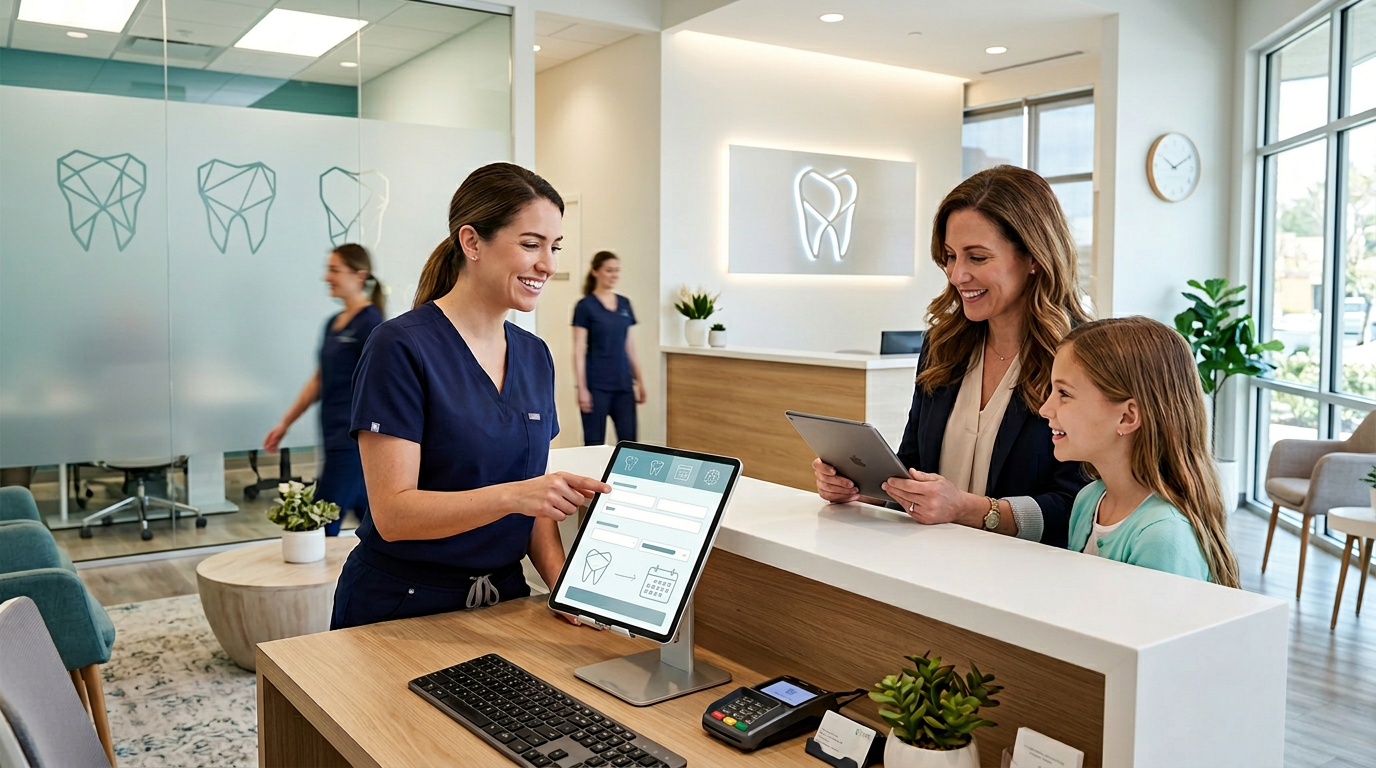
The first visit to an orthodontic clinic sets the tone for a relationship that will often last 18 months or more. Yet in many Indian orthodontic practices, the intake process that precedes that first consultation still involves a clipboard of paper forms, a waiting room queue, and a front-desk team manually re-entering information that the patient has already written down by hand. This friction costs the practice time, creates errors, and — perhaps most importantly — signals to the patient that the clinical sophistication they expect may not extend to the administrative experience. Dental management apps are changing this picture entirely, and orthodontic practices that make the shift are reporting meaningful gains in efficiency, patient satisfaction, and case acceptance.
The Problem with Traditional Orthodontic Intake
Paper-based intake is slow at every stage. Before the appointment, patients have no way to prepare except by showing up early and hoping the forms are short. At the front desk, staff transcribe handwritten information — often ambiguous, sometimes incomplete — into the practice management system. During the consultation, the orthodontist frequently discovers that critical details such as previous orthodontic history, current medications, or relevant medical conditions were not captured, requiring additional questions that eat into clinical time.
The downstream effects are significant. Manual data entry introduces transcription errors that can affect clinical records. Incomplete medical histories create compliance risks. And the administrative burden of managing paper forms — filing, storing, retrieving, disposing of — consumes physical space and staff time that could be directed elsewhere.
For multi-location orthodontic practices and dental chains in India, these inefficiencies multiply. Inconsistent intake processes across branches make it impossible to standardise the patient experience or aggregate data meaningfully for practice management decisions.
How Dental Management Apps Transform the Intake Journey
The core shift that dental management apps enable is moving intake activity out of the waiting room and into the patient's own time and device — before they ever arrive at the clinic. Here is what that looks like in practice.
Digital Pre-Registration and Customised Forms
When a new patient books an orthodontic consultation, the practice management system automatically sends a secure link to a digital intake form. The patient completes it on their phone, tablet, or laptop at their convenience — at home the evening before, or during their lunch break. The form can be structured specifically for orthodontic intake, covering medical and dental history, chief complaint, previous orthodontic treatment, medication list, and consent to treatment, with conditional logic that adapts the questions based on responses. A patient who indicates a history of jaw surgery sees additional relevant questions; a patient who does not, skips them.
Electronic signatures on consent and HIPAA-equivalent privacy forms are captured securely within the same workflow. No printing, no physical filing, no separate consent process at the desk.
Automatic Data Transfer into Practice Records
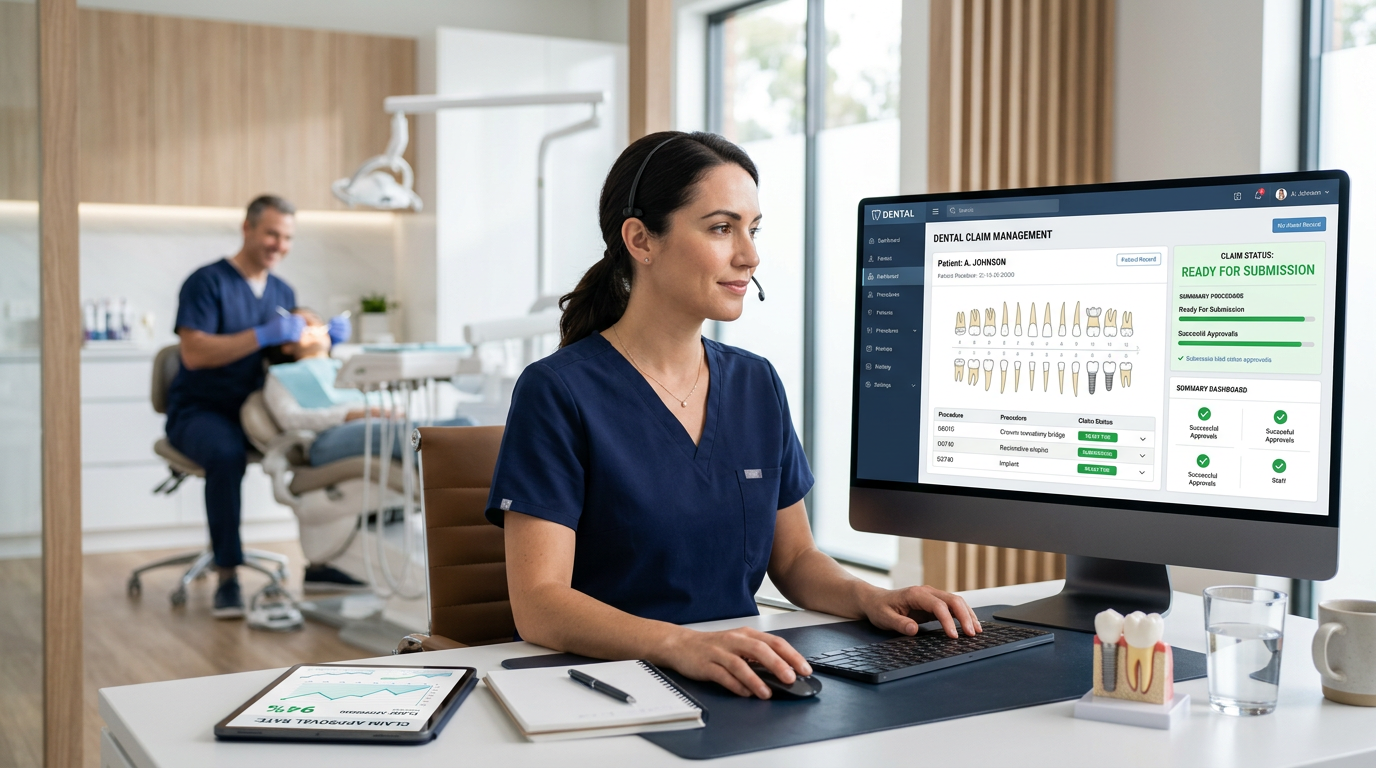
Once the patient submits the digital form, the information flows directly into their record in the dental practice management system — no manual re-entry required. When the patient arrives for their consultation, their demographic details, medical history, and signed consents are already in the system, reviewed, and ready. The front desk interaction becomes a brief, friendly confirmation rather than a data collection exercise.
This integration is where platforms like Denti360, designed as end-to-end dental software for Indian practices, add genuine value. The intake data feeds seamlessly into the clinical record, the treatment planning module, and the billing workflow, creating a single source of truth for every patient from the moment they first engage with the practice.
Automated Appointment Reminders and Pre-Consultation Communication
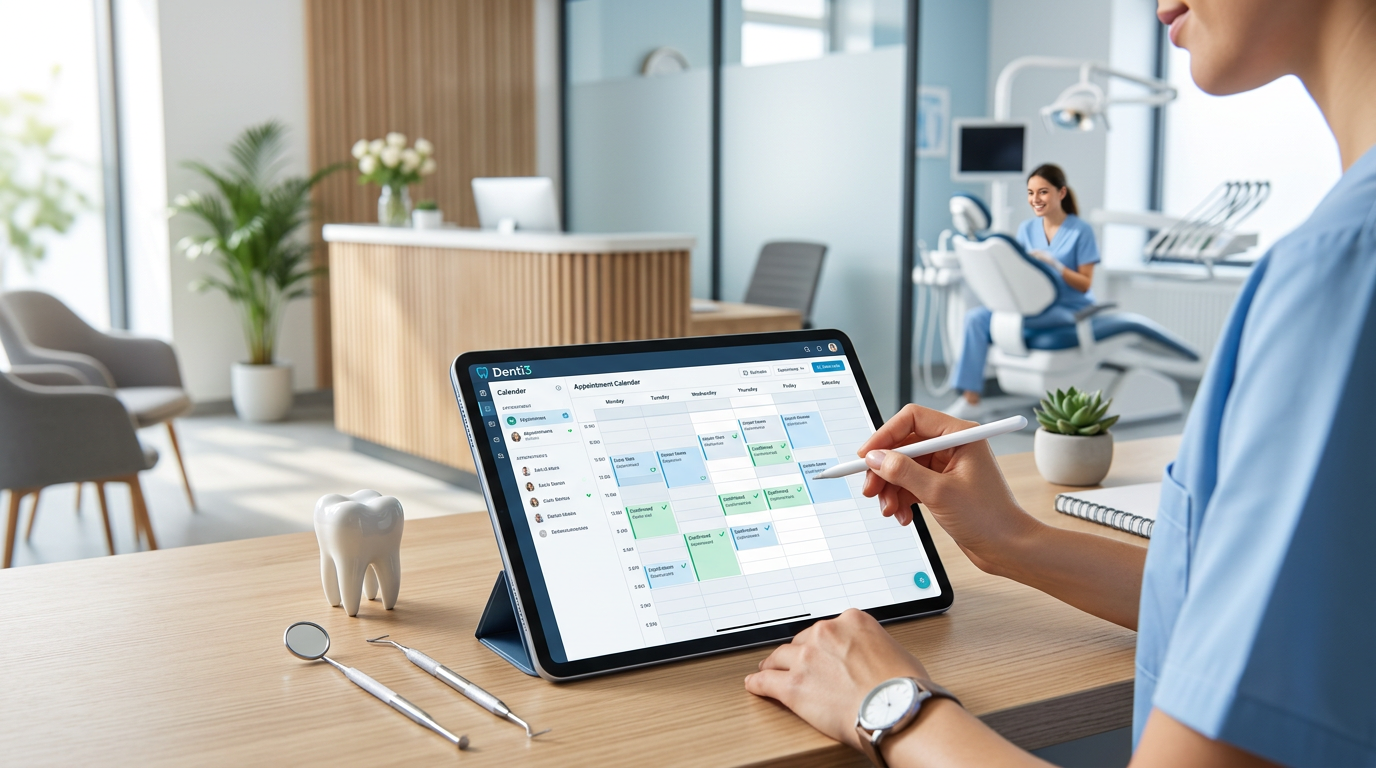
Dental management apps allow practices to automate the full sequence of pre-consultation communication: confirmation at the time of booking, a reminder three days before with a prompt to complete intake forms if not yet done, and a final reminder 24 hours before the appointment. These messages can be delivered via SMS, WhatsApp, or email based on patient preference — the channels that Indian patients actually use and respond to.
Practices can also include educational content in these pre-appointment communications: a short video explaining what to expect at an orthodontic consultation, an overview of treatment options, or a FAQ about aligners versus braces. Patients who arrive prepared ask better questions, engage more actively in the treatment planning conversation, and are more likely to accept the recommended treatment.
Patient Portals and Self-Service Capabilities
A well-designed patient portal gives orthodontic patients visibility and control over their own journey. They can view upcoming appointments, access their treatment plan, check account balances, and send secure messages to the practice — all without calling the front desk during clinic hours. For parents managing orthodontic treatment for children, the ability to review progress notes or ask a question via the portal at 9 PM is a genuine quality-of-life improvement.
Portals also support ongoing compliance during orthodontic treatment: patients can upload photos between appointments for remote monitoring, reducing the number of in-person check-ins required for routine progress reviews.
The Staff Experience: From Data Entry to Patient Care
One of the underappreciated benefits of digital intake is what it does for the front-desk team. When patient information arrives pre-populated and verified, staff are no longer transcribing forms — they are reviewing records, identifying anything that needs clarification, and focusing on the human elements of the intake experience: welcoming the patient, answering questions, explaining the consultation process.
For practice managers, the shift to digital intake means better data. Form completion rates, intake-to-consultation conversion, and no-show rates are all trackable within the practice management system. This data supports informed decisions about staffing levels, reminder frequency, and where the intake process may need refinement.
Data Security and Compliance in the Indian Context
Dental practices in India handling patient health data digitally need to be thoughtful about security. Reputable dental management apps built for the Indian market provide encrypted data storage, role-based access controls, and audit trails that satisfy regulatory requirements under the Digital Personal Data Protection Act and align with broader healthcare data governance standards. This is a meaningful improvement over paper records, which offer no encryption and are genuinely difficult to audit or protect against unauthorised access.
When evaluating dental software India-specific platforms, practices should confirm that patient data is stored on India-resident servers where required, that access logging is built in, and that the vendor has a clear data processing agreement in place.
Conclusion
Orthodontic patient intake is not just an administrative function — it is the beginning of the patient relationship, and patients notice when it is handled well. Digital intake through dental management apps reduces errors, saves staff time, improves data quality, and creates a first impression that reflects the clinical standards of the practice. For orthodontic practices across India looking to scale efficiently, standardise across multiple locations, or simply reclaim the hours spent on manual data entry, the transition to digital intake is one of the highest-return investments available in dental practice management.
Ready to see how Denti360's patient management tools can streamline intake at your orthodontic practice? Book a free Denti360 demo and we will walk you through the complete patient journey from first booking to consultation — digitally, efficiently, and without a single paper form.