
Teledentistry: How Virtual Dental Care Closes Gaps in Patient Access
Teledentistry lets you triage emergencies, monitor recovery, and consult specialists without filling a single operatory, solving one of the most stubborn problems in modern practice: getting expert eyes on a patient who cannot physically reach the chair. In an era defined by rapid technological advancement, the healthcare landscape is continually evolving to meet the dynamic needs of patients and providers, and teledentistry is among the most significant innovations reshaping how dental care is delivered. More than a temporary, pandemic-era solution, it represents a fundamental shift toward more accessible, efficient, and patient-centric oral health services. For Denti360, a leader in dental healthcare and technology, understanding and leveraging the full potential of teledentistry is paramount to advancing the field.
Broadly defined, teledentistry involves the use of information technology and telecommunications for dental care, consultation, education, and public awareness. It encompasses a wide array of services, from remote consultations and virtual check-ups to digital image transmission and specialist referrals. This comprehensive guide explores the multifaceted aspects of teledentistry, including its core components, the many benefits it offers patients and practitioners alike, its diverse applications, the technological infrastructure that supports it, regulatory considerations, and its future trajectory. By embracing teledentistry, we are not just adopting a new tool; we are building a more resilient, equitable, and effective dental healthcare system for all.
The Core Components and Modalities of Teledentistry
Understanding teledentistry requires an appreciation of its various modalities, each designed to address specific clinical and administrative needs. These components collectively form the backbone of a robust teledentistry platform.
Synchronous Teledentistry: Real-Time Patient Interaction
Synchronous teledentistry, often referred to as 'live' teledentistry, involves real-time, interactive communication between a patient and a dental professional. This typically occurs via video conferencing tools, allowing for immediate visual and auditory exchange. Its primary advantage lies in replicating the immediacy of an in-person visit, fostering direct interaction and allowing for dynamic questioning and observation. This modality is particularly useful for:
- Emergency Triage: Quickly assessing acute pain, trauma, or swelling to determine the urgency and appropriate next steps, potentially avoiding unnecessary emergency room visits.
- Initial Consultations: Discussing patient concerns, medical history, and treatment options without the need for an immediate physical presence.
- Post-operative Check-ups: Monitoring healing progress and addressing patient questions or concerns following a procedure.
- Prescription Consultations: Discussing medication needs and potential prescriptions, adhering to relevant regulations.
The success of synchronous teledentistry hinges on reliable high-speed internet access and secure, HIPAA-compliant (or equivalent national standard) video conferencing platforms that ensure patient privacy and data security.
Asynchronous Teledentistry: Store-and-Forward Workflows
Asynchronous teledentistry, or 'store-and-forward,' involves the transmission of recorded health information (such as images, videos, X-rays, and patient histories) from one location to another for evaluation by a dental professional at a later time. This modality offers significant flexibility for both patients and providers, as it does not require simultaneous participation. Key applications include:
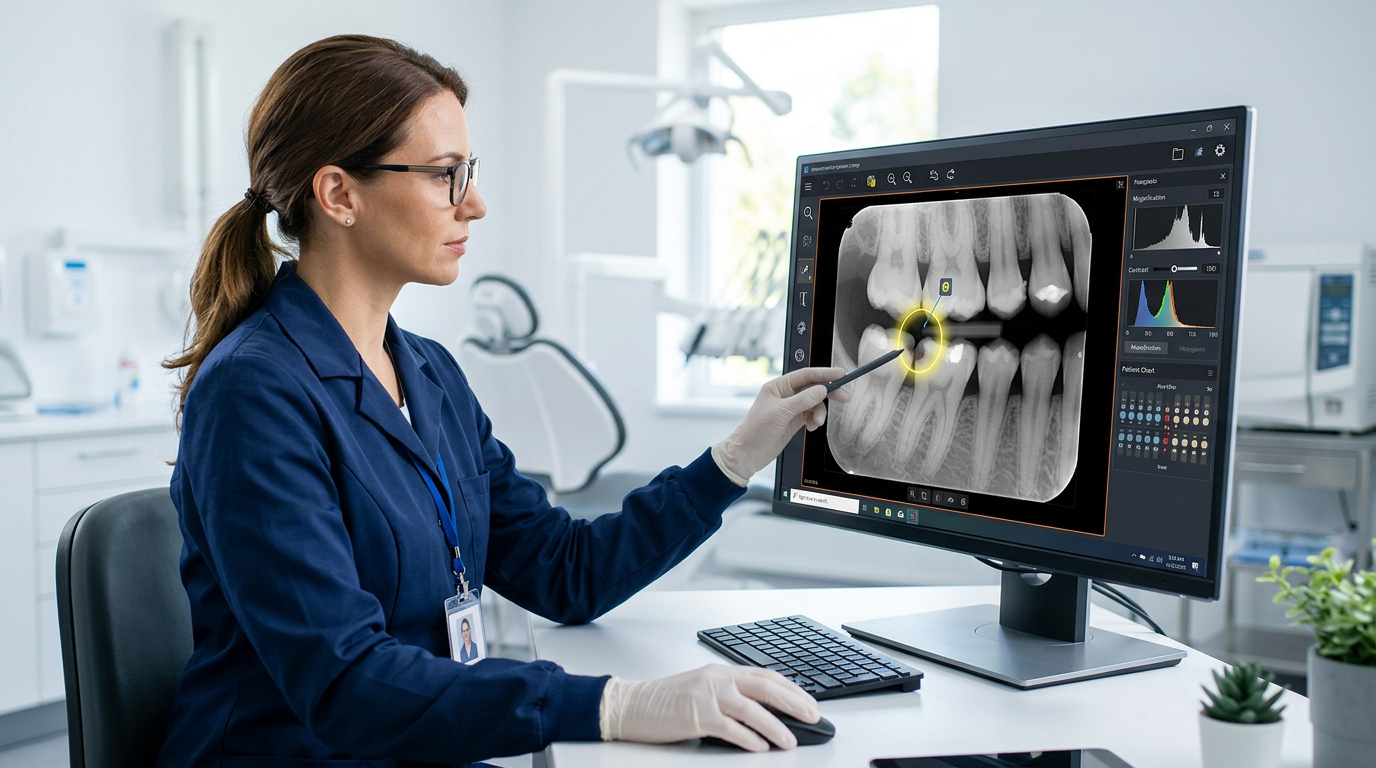
- Diagnostic Review: A general dentist or hygienist can capture intraoral photographs, extraoral photographs, panoramic X-rays, and CBCT scans, then securely transmit them to a specialist (such as an orthodontist, oral surgeon, or periodontist) for an expert opinion or diagnosis.
- Second Opinions: Patients can obtain specialist advice on complex cases without multiple in-person appointments.
- Treatment Planning: Specialists can review comprehensive patient data to develop tailored treatment plans before the patient's first in-person visit.
- Remote Monitoring: Tracking the progression of certain conditions over time, such as orthodontic treatment or periodontal disease.
The efficiency of asynchronous teledentistry is evident in its ability to optimize specialist time, reduce patient travel, and streamline the referral process. However, it necessitates robust data management systems and clear protocols for information transmission and storage.
Remote Patient Monitoring (RPM) in Dentistry
While often integrated into synchronous or asynchronous models, Remote Patient Monitoring (RPM) specifically refers to the use of digital technologies to collect health data from individuals in one location and electronically transmit that information securely to healthcare providers in a different location for assessment and recommendations. In dentistry, RPM can involve:
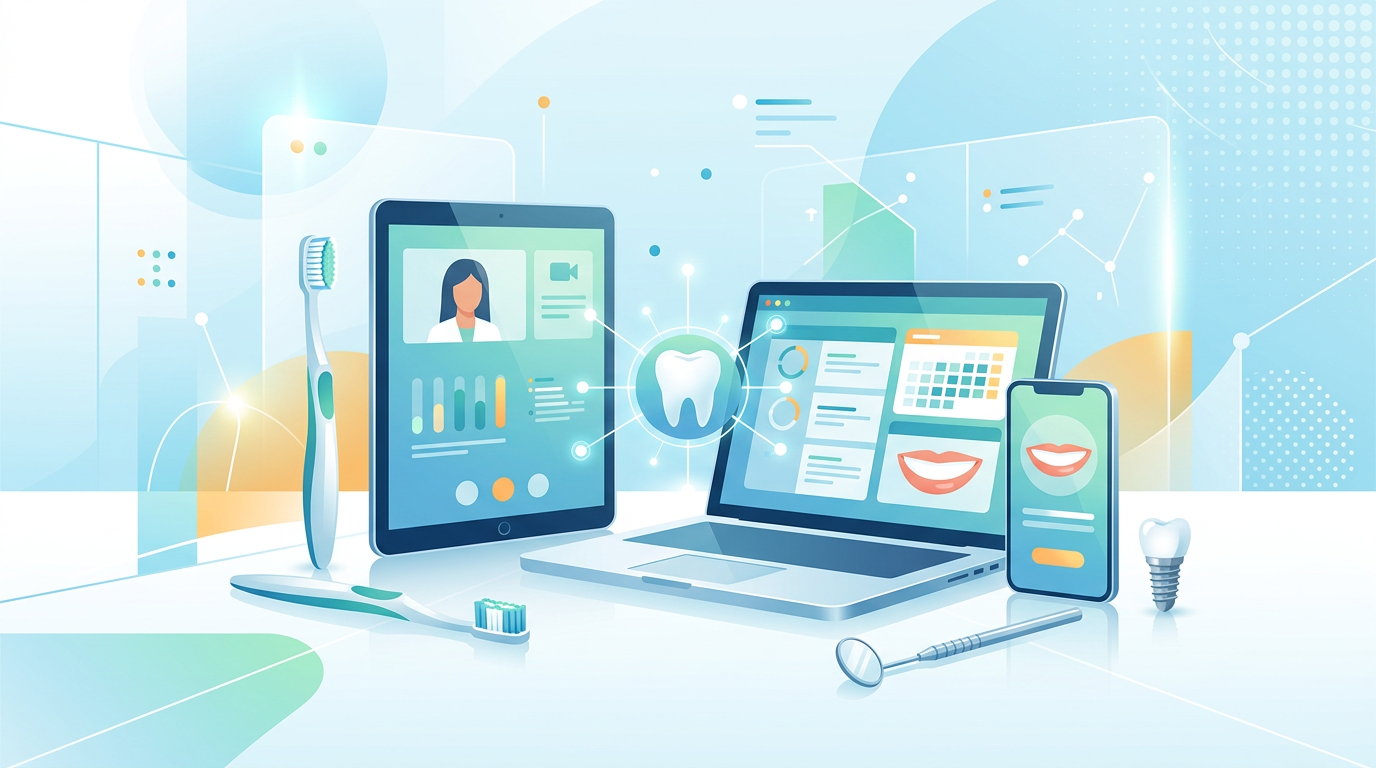
- Smart Toothbrushes: Monitoring brushing habits, pressure, and coverage to provide real-time feedback and data for dental professionals.
- Intraoral Scanners: Used by patients at home or in local clinics to capture 3D models of their teeth for orthodontic progress tracking or restorative planning.
- Wearable Sensors: Although less common in dentistry currently, future applications could include sensors that detect early signs of oral diseases or track jaw movements for TMD patients.
RPM enhances preventive care and allows for proactive interventions, particularly beneficial for managing chronic oral health conditions and monitoring treatment adherence.
Transformative Benefits for Patients and Dental Practices
Teledentistry is not merely a technological upgrade; it is a transformative approach that delivers tangible benefits across the entire spectrum of oral healthcare.
Enhanced Patient Access and Convenience
- Overcoming Geographic Barriers: For individuals in rural or underserved areas, access to specialized dental care can be severely limited. Teledentistry eliminates the need for extensive travel, making expert consultations and initial screenings readily available.
- Reduced Travel and Time Costs: Patients save time and money by avoiding commutes, parking fees, and lost work or school hours associated with in-person appointments.
- Improved Access for Vulnerable Populations: Elderly patients, those with disabilities, or individuals with anxiety about dental visits can benefit from remote consultations in the comfort of their homes or a familiar setting.
- Timely Care: Teledentistry enables quicker initial assessments and triage, potentially leading to earlier intervention for urgent issues and preventing escalation of conditions.
- Continuity of Care: For patients with ongoing conditions or those undergoing long-term treatments, teledentistry facilitates regular check-ins and monitoring, ensuring consistent care.
Operational Efficiencies for Dental Practices
Beyond patient convenience, teledentistry strengthens patient management workflows across the practice:
- Optimized Scheduling: Dentists can allocate specific times for virtual consultations, freeing up chair time for procedures that require physical presence. This can lead to increased patient throughput and reduced wait times.
- Reduced Overhead: For some practices, particularly those with satellite offices or specialized clinics, teledentistry can lower operational costs associated with physical infrastructure and administrative staff.
- Expanded Patient Base: Practices can extend their reach beyond their immediate geographic area, attracting new patients who might otherwise face logistical challenges.
- Improved Triage and Pre-screening: Teledentistry allows practices to pre-screen patients, gather necessary information, and determine the urgency and nature of their visit before they even step into the office, optimizing in-office appointments for those who truly need them.
- Enhanced Collaboration: It facilitates seamless collaboration and referrals between general dentists and specialists, improving patient outcomes through integrated care plans.
- Reduced No-Show Rates: Virtual appointments often have lower no-show rates compared to in-person appointments, as they are more convenient for patients.
Economic Advantages
- Cost Savings for Patients: Reduced travel, parking, and time-off costs contribute to overall savings for patients.
- Potential for New Revenue Streams: Practices can offer new virtual services, attracting a broader patient demographic and potentially increasing revenue.
- Efficient Use of Resources: By optimizing chair time and reducing unnecessary physical visits, practices can make more efficient use of their most valuable resources, their highly skilled staff and specialized equipment.
Diverse Applications Across Dental Specialties
Teledentistry's versatility means it can be effectively integrated into almost every aspect of dental care, enhancing services across various specialties.
General Dentistry
- Initial Consultations: Discussing new patient concerns, medical history, and explaining potential treatment paths.
- Emergency Triage: Assessing acute pain, swelling, or trauma to advise on immediate steps and schedule urgent appointments.
- Post-treatment Follow-ups: Monitoring healing after extractions, fillings, or cleanings.
- Oral Hygiene Instruction: Providing personalized brushing and flossing advice, dietary recommendations, and fluoride application guidance.
- Referral Management: Facilitating secure transmission of patient records and images to specialists.
Orthodontics
- Initial Consultations: Discussing orthodontic needs, expectations, and treatment options such as clear aligners or braces.
- Progress Monitoring: Patients can submit photos or use intraoral scanners for virtual checks of aligner fit, bracket integrity, and overall tooth movement.
- Retention Checks: Monitoring retainer wear and stability post-treatment.
- Emergency Assessments: Addressing issues like broken brackets, poking wires, or discomfort.
Periodontics
- Gum Disease Screening: Initial assessment of gum inflammation, bleeding, or recession based on patient-provided images and symptoms.
- Post-surgical Monitoring: Checking healing after gum grafts, scaling and root planing, or other periodontal surgeries.
- Oral Hygiene Reinforcement: Providing targeted advice for patients managing periodontal disease.
Oral and Maxillofacial Surgery
- Pre-surgical Consultations: Discussing procedures, risks, and benefits before in-person appointments.
- Post-operative Follow-ups: Monitoring incision sites, managing pain, and addressing swelling or infection concerns.
- Emergency Assessment: Triaging facial trauma or acute infections.
Pediatric Dentistry
- Parental Consultations: Discussing children's oral health habits, eruption patterns, and preventive strategies with parents.
- Monitoring Growth and Development: Assessing dental milestones and potential issues in young children.
- Anxiety Management: Preparing anxious children and parents for in-person visits by familiarizing them with the dental team.
Dental Hygiene
- Oral Health Education: Delivering personalized instruction on brushing, flossing, and dietary habits.
- Nutritional Counseling: Discussing the impact of diet on oral health.
- Fluoride Varnish Application Guidance: Instructing parents or caregivers on the proper application of prescribed fluoride treatments.
- Tobacco Cessation Counseling: Providing support and resources for patients looking to quit tobacco products.
Technological Foundations and Infrastructure
The successful implementation of teledentistry hinges on robust and secure technological infrastructure. Denti360 recognizes that reliable technology is the bedrock upon which efficient and compliant teledentistry services are built.
Secure Communication Platforms
- Video Conferencing Software: Must be HIPAA-compliant (or adhere to equivalent national standards) with end-to-end encryption, ensuring privacy for synchronous consultations. Features like screen sharing, virtual waiting rooms, and recording capabilities (with consent) are essential.
- Secure Messaging Systems: For asynchronous communication, encrypted messaging platforms allow for secure exchange of patient information, images, and documents between providers and patients or between different providers.
Digital Imaging and Data Management
- Intraoral and Extraoral Cameras: High-resolution digital cameras are crucial for capturing clear images of the oral cavity and facial structures, which are vital for diagnosis and monitoring.
- Radiographic Image Transfer Systems: Secure systems for transmitting digital X-rays (intraoral, panoramic, CBCT) are fundamental for diagnostic purposes and must integrate with existing PACS (Picture Archiving and Communication Systems) or EHRs.
- Electronic Health Records (EHR) Integration: A key component is the seamless integration of teledentistry platforms with existing EHR systems, ensuring that all virtual consultation notes, images, and treatment plans are consolidated into the patient's comprehensive record, maintaining continuity of care and avoiding data silos.
- Cloud Storage Solutions: Secure, encrypted cloud storage is often utilized for archiving large volumes of patient data, including images and videos, ensuring accessibility and disaster recovery.
Patient Engagement Tools
- Patient Portals: Secure online portals allow patients to schedule virtual appointments, fill out forms, upload images, access their records, and communicate with their dental team.
- Mobile Applications: Dedicated mobile apps can enhance the patient experience, offering features like appointment reminders, oral hygiene trackers, and direct communication channels.
Bandwidth and Connectivity
High-speed internet access is a non-negotiable requirement for synchronous teledentistry. Both providers and patients need stable connections to ensure clear audio and video quality, preventing disruptions that can hinder effective communication and diagnosis. For underserved areas with limited broadband, alternative solutions or 'hub-and-spoke' models, where patients visit a local clinic with internet access for their virtual consult, may be considered.
Cybersecurity and Data Privacy
Given the sensitive nature of health information, robust cybersecurity measures are paramount. This includes:
- Encryption: All data, both in transit and at rest, must be encrypted.
- Access Controls: Strict authentication and authorization protocols ensure only authorized personnel can access patient data, supported by role-based access controls.
- Regular Security Audits: Periodic assessments to identify and mitigate vulnerabilities.
- Compliance with Regulations: Adherence to national and international data privacy laws like HIPAA in the U.S., GDPR in Europe, or PIPEDA in Canada.
Denti360 prioritizes these technological safeguards to ensure patient trust and regulatory compliance in all teledentistry offerings.
Regulatory and Reimbursement Landscape
The rapid evolution of teledentistry has outpaced the development of a fully harmonized regulatory framework across all jurisdictions. However, significant progress is being made, and understanding the current landscape is crucial for successful implementation.
Licensure and Scope of Practice
One of the primary regulatory challenges involves dental licensure. Generally, dental professionals must be licensed in the state or jurisdiction where the patient is physically located at the time of the virtual consultation. This means a dentist licensed in one state cannot typically provide teledentistry services to a patient residing in another state unless specific interstate compacts or temporary licenses are in place. The scope of practice for teledentistry services also varies, with some jurisdictions having specific guidelines on what procedures can be diagnosed or planned remotely versus those requiring an in-person visit.
Patient Consent and Privacy
Informed patient consent is a cornerstone of ethical teledentistry. Patients must be fully informed about the nature of teledentistry, its benefits, limitations, and privacy risks, and provide explicit consent before receiving services. Adherence to strict data privacy regulations, such as HIPAA in the United States, is mandatory. This includes ensuring secure platforms for data transmission and storage, establishing clear privacy policies, and training staff on privacy protocols.
Reimbursement Policies
Reimbursement for teledentistry services has historically been a significant barrier, but this area has seen substantial positive changes. Many private dental insurance plans and government programs (like Medicaid and Medicare in the U.S.) now cover various teledentistry services, especially for consultations and triage. However, coverage can vary widely based on the specific plan, the type of service rendered, the patient's location, and the originating site. Practices must carefully verify patient insurance benefits and understand the specific billing codes (CPT codes or equivalent) applicable to teledentistry in their region. Advocacy efforts continue to expand and standardize reimbursement for teledentistry to ensure its long-term viability and accessibility.
Standard of Care
Regardless of the mode of delivery, the standard of care in teledentistry remains the same as for in-person care. Dental professionals are expected to exercise the same level of diagnostic and treatment judgment as they would in a traditional setting. This implies that if a comprehensive diagnosis or treatment requires an in-person examination or specific imaging not available remotely, the teledentistry consultation should lead to a referral for a physical visit.
The Future of Teledentistry: Innovation and Integration
The journey of teledentistry is far from over; it is on the cusp of an exciting future driven by technological innovation, increasing acceptance, and a growing understanding of its potential to transform oral healthcare delivery.
Advanced AI and Machine Learning Integration
Artificial intelligence (AI) and machine learning (ML) are poised to dramatically enhance teledentistry platforms. AI algorithms can assist in:
- Automated Image Analysis: Helping detect early signs of cavities, gum disease, or oral lesions from patient-submitted images with greater accuracy and speed.
- Predictive Analytics: Identifying patients at high risk for certain oral health conditions based on their history and remote monitoring data, allowing for proactive interventions.
- Personalized Oral Hygiene Coaching: AI-powered applications can provide tailored feedback on brushing techniques and suggest improvements.
- Streamlined Triage: AI chatbots can guide patients through initial symptom assessment, directing them to the most appropriate virtual or in-person care path.
Augmented Reality (AR) and Virtual Reality (VR)
While still in nascent stages for teledentistry, AR and VR hold immense promise:
- Enhanced Remote Examinations: AR could allow a remote dentist to overlay digital information onto a patient's live video feed, guiding a local assistant or even the patient in capturing specific angles or demonstrating techniques.
- Virtual Training and Education: VR can create immersive training environments for dental professionals and educational tools for patients.
- Interactive Consultations: Imagine a patient visualizing their potential smile transformation in VR during a remote cosmetic consultation.
Integration with Wearable Technology and IoT
The rise of wearable health devices and the Internet of Things (IoT) will further enhance remote patient monitoring in dentistry. Smart devices could track salivary biomarkers, monitor jaw movements for TMD, or provide continuous data on oral hygiene habits, transmitting this information directly to the dental team for analysis.
Expansion of Collaborative Care Models
Teledentistry will increasingly facilitate a more integrated, collaborative approach to healthcare. It will enable seamless communication between dentists, medical doctors, nutritionists, and other healthcare providers, fostering a holistic view of patient health and recognizing the strong link between oral and systemic well-being. This is particularly crucial for managing chronic diseases like diabetes and cardiovascular conditions, where oral health plays a significant role.
Global Reach and Dental Tourism
In the long term, teledentistry could extend its reach globally, offering expert consultations and second opinions across international borders while cautiously navigating regulatory complexities. This could open new avenues for dental tourism, where patients travel for specific procedures after initial remote consultations and planning.
Patient Empowerment and Education
As teledentistry platforms become more user-friendly and integrated with personal health devices, patients will be more empowered to actively participate in their oral health management. Access to personalized educational content, self-monitoring tools, and direct communication with their dental team will foster greater health literacy and preventive behaviors.
Bring Teledentistry to Your Practice with Denti360
Teledentistry is more than a fleeting trend; it is a fundamental pillar in the ongoing evolution of dental healthcare. By leveraging cutting-edge technology, Denti360 is committed to harnessing the full potential of teledentistry to create a dental ecosystem that is more accessible, efficient, and patient-centric than ever before. From expanding access to underserved communities to streamlining practice operations and fostering greater patient engagement, the benefits are profound and far-reaching. As we look toward 2025 and beyond, Denti360 envisions a future where teledentistry is seamlessly integrated into every dental practice, offering a blend of virtual and in-person care that meets the diverse needs of modern patients, backed by secure platforms, advanced AI, and supportive regulatory and reimbursement policies. To see how Denti360's platform features can extend your reach and streamline virtual care, contact our team for a personalized demo and start shaping a healthier, more connected future for your patients.