Moving a dental clinic off paper is usually described as digitising records. That framing makes it sound like a scanning project, which is the version that fails. Most practices that attempt a wholesale conversion of their filing cabinet abandon it around week three, having produced a large folder of images nobody can search.
The version that works starts from a different question: not how do we get the paper in, but which paper do we actually need going forward, and in what form. This covers how to answer that, what to do with the rest, and the physical logistics that decide whether the project finishes.
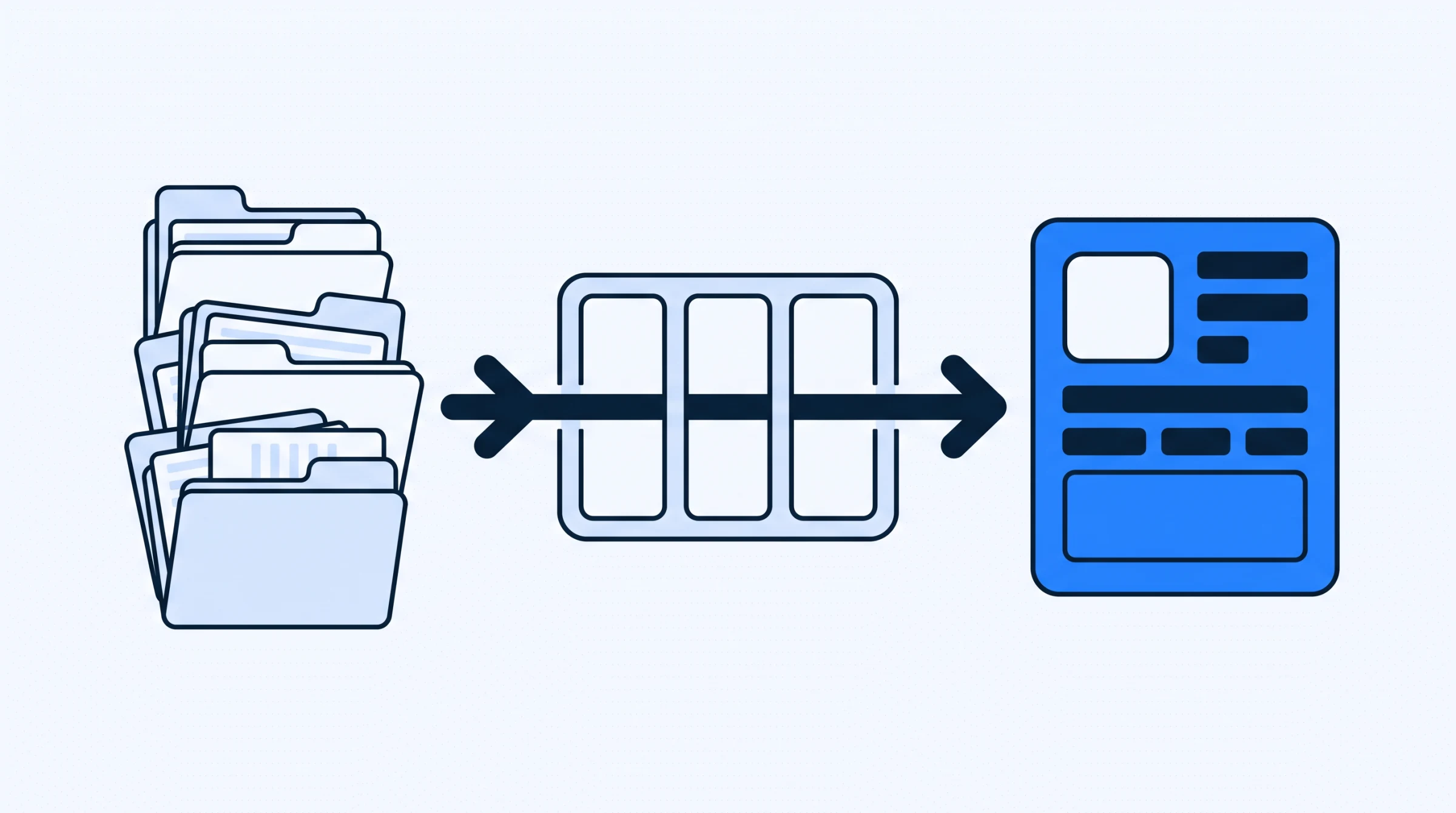
Scanning is not digitising
A scanned page is a picture. A record is something you can search, filter and update. The difference matters enormously and gets blurred in planning.
If you photograph a patient's paper file and attach it to their record, you have made retrieval faster and nothing else. You still cannot see which patients are due a recall, or which have an allergy, or what a treatment cost. Those answers need structured fields, which means somebody typing, which is the expensive part.
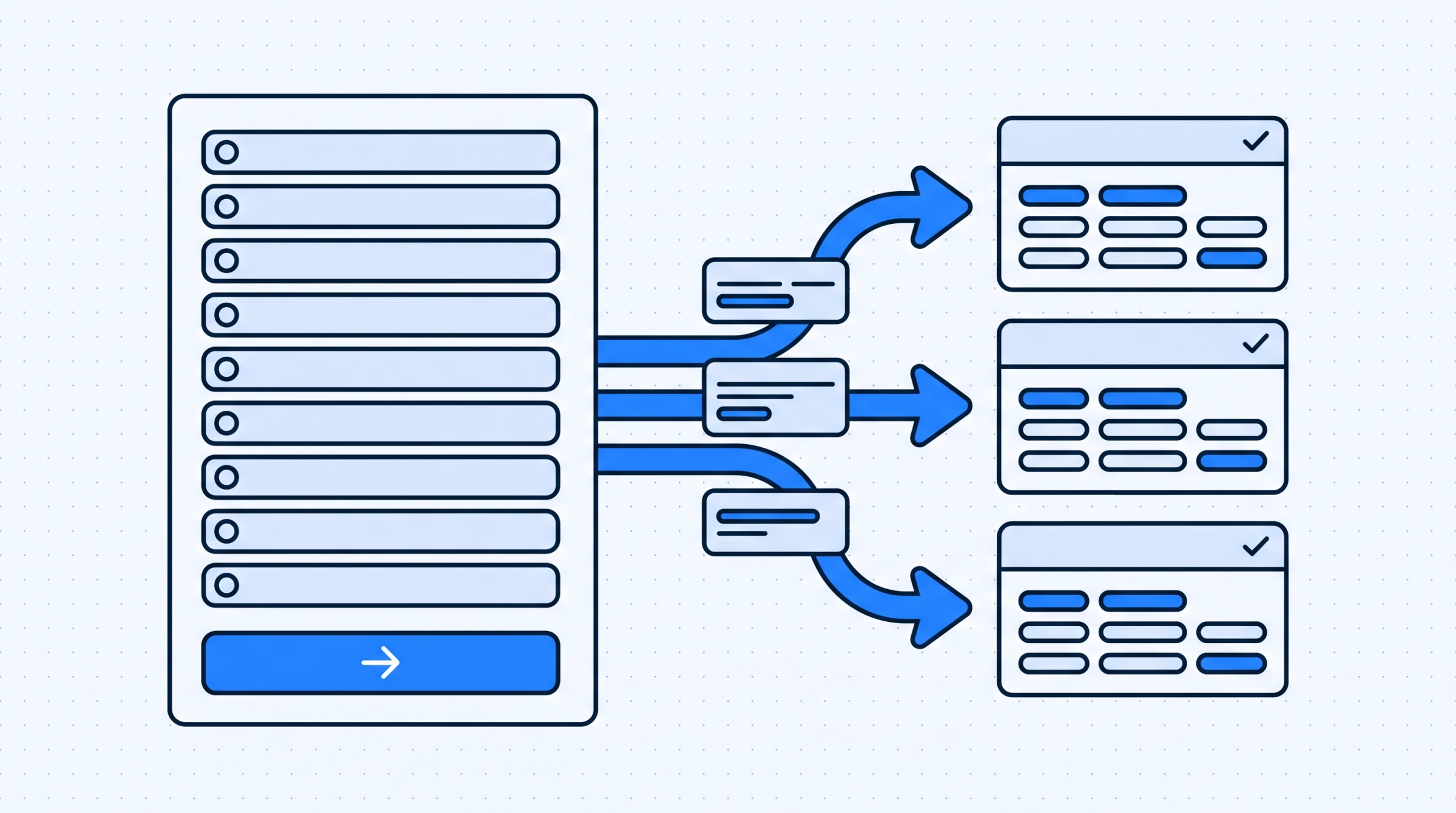
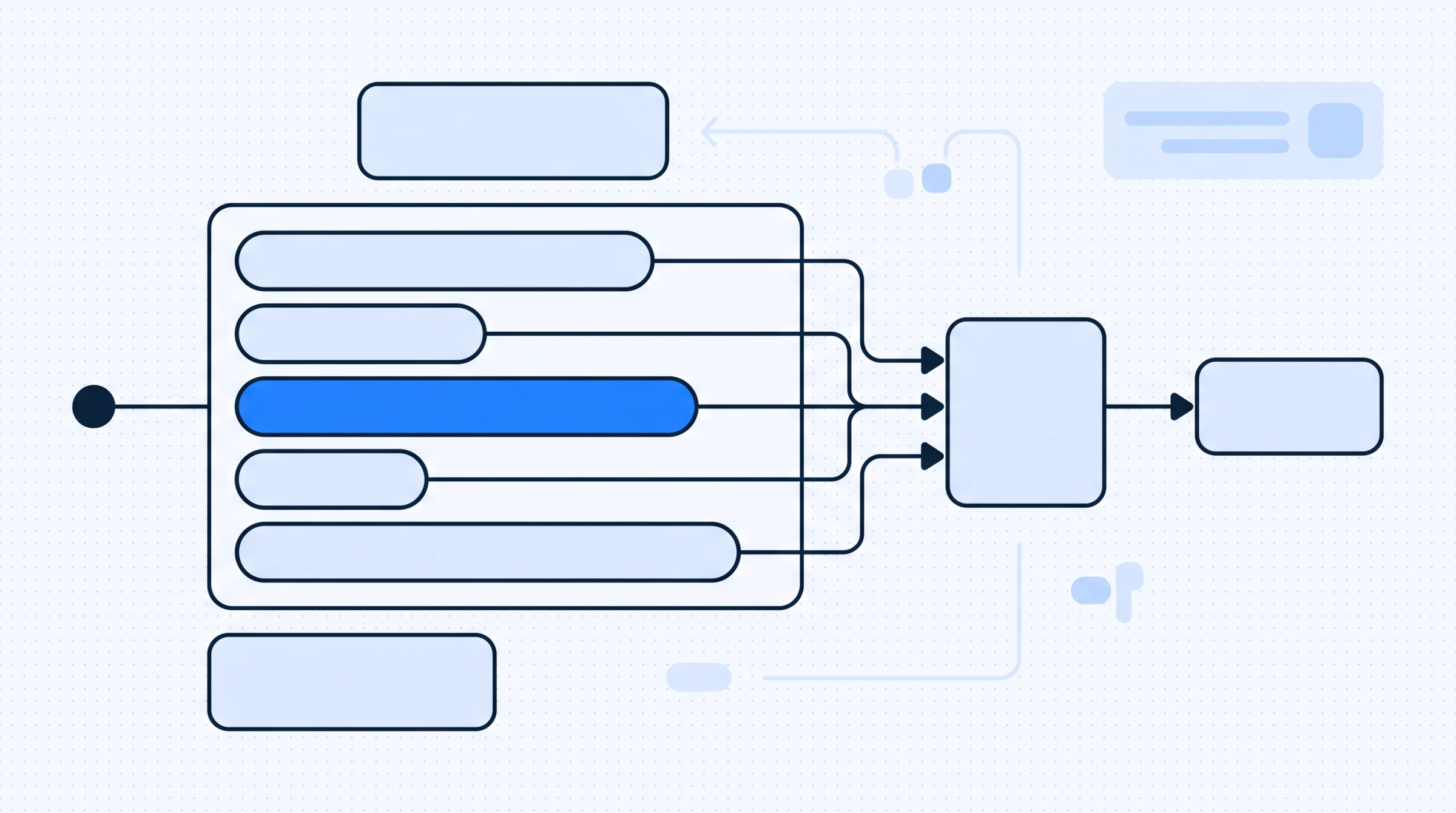
So every paper item falls into one of three categories, and deciding which is the first real task.
- Key into fields. Data you will filter, search or report on. Name, contact details, date of birth, allergies and alerts, current treatment plan, outstanding balance.
- Scan and attach. Documents you need to be able to produce but never query. Signed consent forms, referral letters, old correspondence, radiograph reports from elsewhere.
- Leave in the cabinet. Everything with no forward use, retained only because retention rules or prudence say so.
Clinics that skip this triage end up keying everything, which is far too slow to sustain, or scanning everything, which produces the searchable-nothing outcome.
A useful test for the first category: would you ever want a list of patients filtered by this. If yes, it needs to be a field. If you would only ever look at it while already looking at one patient, a scan is enough. Most of a paper dental file falls into the second group, which is why the keying workload is smaller than it first appears.
Deciding which patients to bring
The second decision is whose records move at all, and it is the one that makes the project finishable.
A practice open for fifteen years has files for people who moved away a decade ago. Converting those costs the same per record as converting an active patient and returns nothing. The sensible cut is by last attendance: patients seen in the last eighteen to twenty four months come across, the rest stay on paper unless and until they return.
That reduces the workload dramatically in most practices, frequently to a third or less of the cabinet. It also means the first patients in the new system are the ones staff see daily, so confidence builds where it is needed.
For the rest, the rule is convert on return. When a patient who has not attended for three years books an appointment, their paper file is pulled and keyed as part of preparing for that visit. The work is spread across years, each conversion has an immediate purpose, and nobody is keying records speculatively.
What to key, precisely
| Item | Treatment | Reason |
|---|---|---|
| Name, contact, date of birth | Key | Everything else hangs off finding the patient |
| Allergies and medical alerts | Key, and verify with the patient | Clinical risk, and paper copies are often stale |
| Current medication | Confirm at next visit rather than key | Paper records of medication age badly |
| Active treatment plan | Key | Needed to continue care |
| Outstanding balance | Key | Unrecorded balances are uncollected balances |
| Full treatment history | Scan and attach | Consulted occasionally, queried almost never |
| Signed consent forms | Scan and attach | Must be producible, never searched |
The third row is the one worth arguing about. Medication lists on paper are frequently out of date, and keying a stale list creates a record that looks authoritative and is not. Confirming at the next appointment produces better data and less work, which is a rare combination.
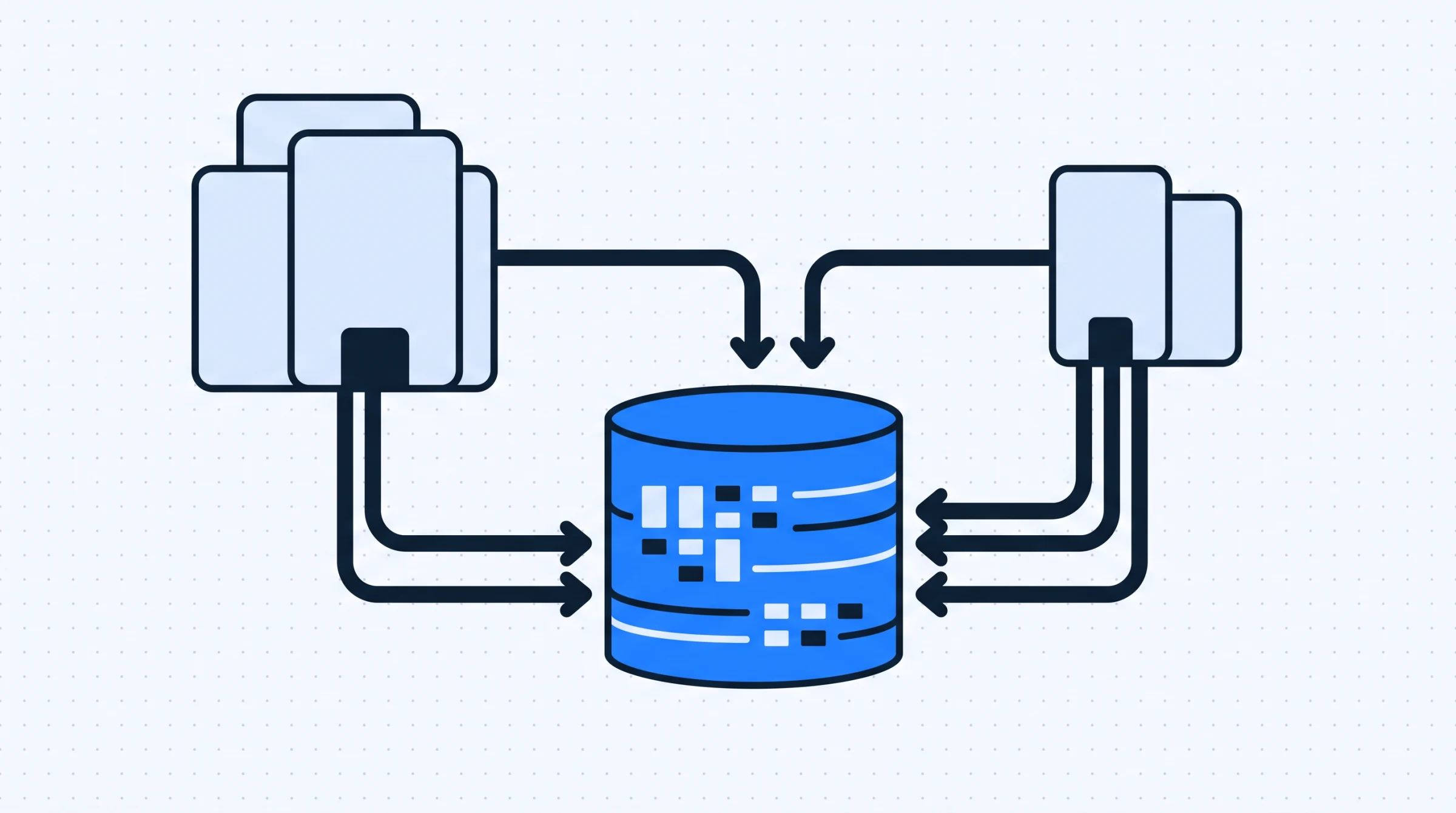
Allergies are the opposite case. They should be keyed and then verified with the patient, because the cost of a missing alert is not symmetrical with the cost of asking a question twice. Where clinical detail sits on the patient record alongside plans and payment history, an alert entered once is visible to whoever opens the record rather than being on a page somebody has to think to look at.
Who does the keying
The instinct is to spread the work across the team so it finishes faster. This produces inconsistent data and duplicate patients.
Two people entering the same cabinet will create two records for the same patient whenever a name is spelled differently or a middle initial is present on one form. Duplicates are much harder to detect than missing records, because nothing looks wrong: both records are plausible, each holds half the history.
The arrangement that works is one person doing the bulk keying, with a defined slice of the cabinet, working in short regular sessions rather than long ones. An hour a day for six weeks beats a weekend push, because accuracy falls off sharply after the first hour and the errors made when tired are the hardest to find later.
Whoever does it needs a written rule for the ambiguous cases, agreed in advance. What to do with a form that has no date of birth. How to record a name that appears in two forms. Whether to enter a balance you cannot verify. Without rules, each ambiguity gets a fresh decision and the data ends up internally inconsistent.
What happens to the paper afterwards
This is where clinics stall, because the answer involves obligations rather than preference.
Dental records carry retention requirements that vary by country and sometimes by patient age, and they typically run for years after the last treatment. Whatever those are where you practise, they apply to the paper regardless of whether a digital copy now exists. Destroying originals because they have been scanned is a decision to take with advice, not an obvious tidy up.
The practical approach is to treat retention and daily use as separate questions. The cabinet stops being the working system on go live day. It becomes an archive: boxed by year, labelled, stored properly, and not consulted in normal operation. That is a smaller, cheaper problem than an active filing system, and it does not require destroying anything.
Keep the archive accessible for longer than feels necessary. Clinics that put paper beyond easy reach in month one tend to need it in month four, usually for something nobody anticipated.
Running both systems without chaos
For a period the clinic has a paper cabinet and a database, and the risk is that both become half true. Two rules prevent it.
The first is that from go live day, nothing new is written on paper. Not as a preference, as a rule. The moment a treatment note or a new phone number goes onto a card, the paper becomes authoritative for that patient and the database becomes incomplete, and nobody can tell which records are affected. Staff will want to write things down during the first fortnight, so give them somewhere to do it that is obviously temporary, such as a notepad that gets entered and discarded daily.
The second is that paper is read only. Pulling a file to check something is fine. Updating it is not. This sounds obvious and is broken constantly in the first weeks, usually with good intentions, by someone correcting an address on the card in front of them.
Mark the cabinet physically if it helps. A clinic that put a printed note on the front of the drawers reading "read only, enter changes in the system" found it more effective than several reminders in meetings, because the prompt arrives at the moment of the decision rather than an hour before.
Decide who arbitrates when the two disagree. They will, and usually about a balance or a phone number. One person deciding consistently is better than each staff member resolving it their own way, because the inconsistency is what makes the data untrustworthy rather than the original error.
The first six weeks
The changeover period has a predictable shape, and knowing it prevents the wobble that ends projects.
Weeks one and two are slower than before. Staff check both systems because they do not yet trust the new one, and they are right to. Expect reduced throughput and do not schedule the busiest fortnight of the year for this.
Weeks three and four are where the new system becomes the default for most tasks, and where the gaps in the migrated data surface. Patients arrive whose records are missing something, and each instance gets fixed in front of the patient, which is the fastest and most accurate way it will ever be corrected.
Weeks five and six are when the paper stops being touched daily. This is the point to set the archive date, while the experience is fresh enough for people to say honestly what they still need.
Throughout, keep a list of everything that went wrong. Not to assign fault, but because the same three issues will recur and each has a one time fix. Clinics that solve the same problem eleven times are usually the ones that never wrote it down.
If you want to see what a patient record holds once the paper is behind you, the overview of what changes day to day is the practical version, and you can book a demo to test the triage above against your own cabinet.