
Intelligent Dental Scheduling: Stop Losing Revenue to Empty Chairs
Intelligent dental scheduling software is the difference between a fully booked operatory and a chair that sits empty while a provider waits. In a multi-provider practice, every idle minute is lost revenue, a delayed treatment, and a dip in productivity. Juggling several dentists, hygienists, specialists, and treatment rooms turns scheduling into a chaotic puzzle, and manual methods or basic digital calendars fall short, producing bottlenecks, provider idle time, waitlist backlogs, and a poor patient experience. The goal isn't simply filling slots; it's intelligently optimizing the flow of patients and providers so that every chair, every professional, and every minute is leveraged fully. This guide from Denti360 explores how intelligent scheduling software is transforming chair time management, giving multi-provider practices the tools to unlock new levels of efficiency, profitability, and patient satisfaction.
The Multi-Provider Scheduling Labyrinth: Common Challenges
Managing the schedules of several dentists, hygienists, assistants, and specialists under one roof creates unique challenges that erode chair time utilization. Without a robust system, these issues compound into operational inefficiency and revenue loss. Consider the most common hurdles.
1. Provider-Patient Matching Complexity
A primary difficulty is matching the right patient to the right provider, accounting for treatment needs, availability, specific skill sets, and patient preferences. A patient needing an endodontic procedure cannot simply be booked with any general dentist. Misalignment leads to rescheduling, wasted chair time, and frustration. Reliable appointment scheduling built around provider skill sets solves much of this at the source.
2. Equipment and Room Allocation
Beyond providers, many procedures require specialized equipment or dedicated rooms such as surgical suites or X-ray rooms. Juggling these finite resources across multiple providers and high patient volume demands a system that tracks and allocates them efficiently, preventing conflicts and ensuring the right tools are ready when needed.
3. Handling Cancellations and No-Shows
Cancellations and no-shows are inevitable, but unmanaged they devastate chair time. An empty slot, especially for a lengthy procedure, is a significant loss. Traditional methods rely on manually calling waitlisted patients, which is slow and often too late to fill last-minute openings.
4. Irregular Provider Schedules and Specialties
Multi-provider practices often have providers with varying schedules, part-time hours, or rotating shifts. Add different specialties such as orthodontics, periodontics, and oral surgery, each with its own appointment lengths and resource requirements. Manually integrating these diverse schedules into a cohesive plan is a monumental, error-prone task.
5. Sub-Optimal Appointment Sequencing
Without an intelligent system, appointments are scheduled in a fragmented way, leaving gaps or forcing providers to constantly move between rooms. Optimizing patient flow, such as grouping similar procedures or sequencing preparatory steps, drastically reduces idle time and improves throughput. Scheduling all crown preps on one day or all hygiene appointments back-to-back maximizes efficiency.
6. Managing Emergency and Walk-in Patients
Accommodating emergencies or walk-ins can derail an already tight schedule. Intelligent software needs the flexibility to slot these patients in without a domino effect of delays, often by identifying immediate openings or suggesting alternative provider allocations.
7. Staffing and Assistant Allocation
It isn't only about the dentist; assistants and hygienists are crucial. Their schedules must be optimized to support primary providers, ensuring adequate support staff for each procedure without over-staffing during quiet periods, another layer of complexity that affects efficiency and chair time.
The Power of Intelligent Dental Scheduling Software
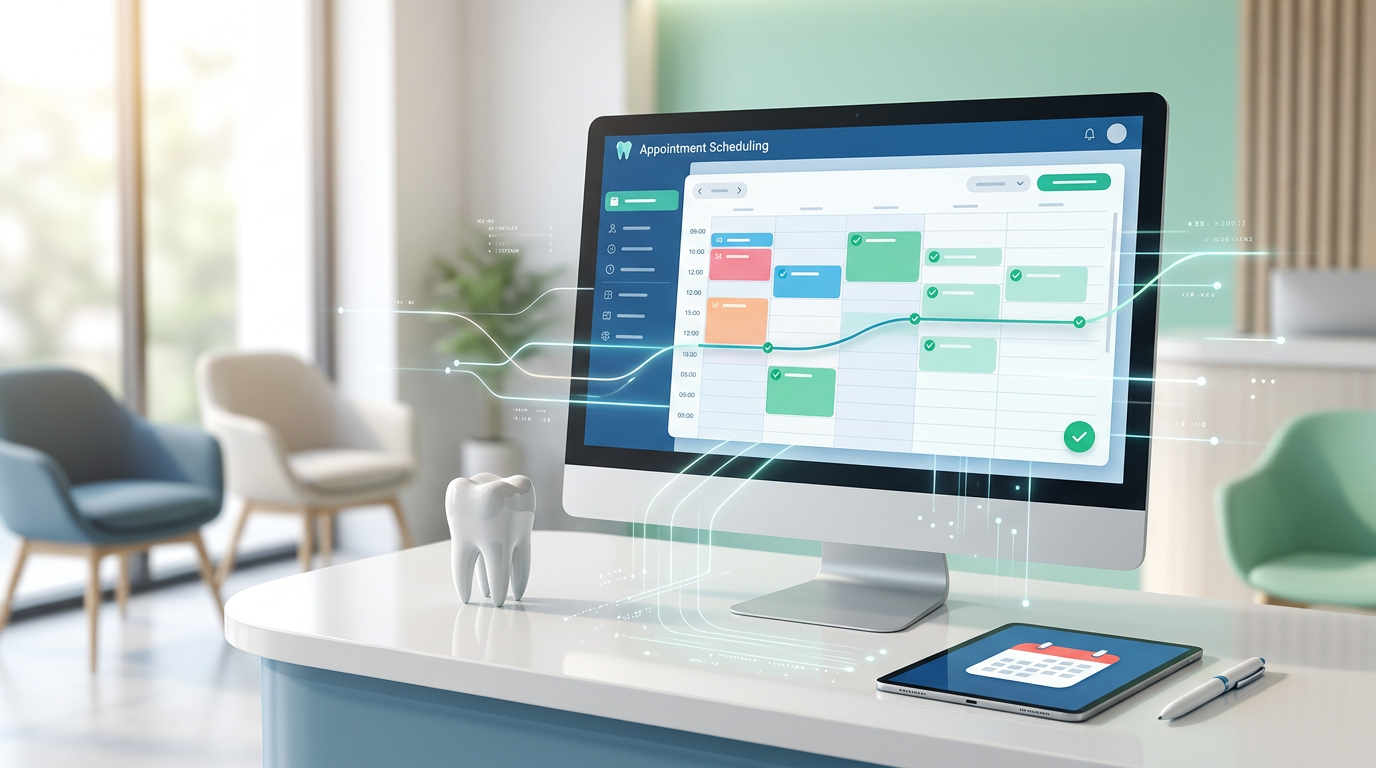
Intelligent dental scheduling software goes far beyond basic calendar tools, with sophisticated features built for the realities of multi-provider practices. It isn't just about booking appointments; it's about optimizing the entire operational flow.
AI and Machine Learning for Predictive Scheduling
At the core of intelligent scheduling is Artificial Intelligence (AI) and Machine Learning (ML). These technologies analyze vast historical data, including appointment types, typical procedure times, patient no-show rates, and seasonal trends, to predict optimal scheduling patterns. AI can learn that certain patients are more likely to cancel on specific days and suggest slight overbooking to minimize empty chairs. It can also identify peak demand and recommend staffing adjustments.
Automated Patient-Provider Matching
Intelligent software removes the guesswork from matching patients to providers. By inputting the required treatment, patient history, and any specific requests, the system automatically identifies the most suitable provider based on availability, specialty, and prior patient-provider relationships. This ensures continuity of care and optimal use of each provider's unique skill set.
Dynamic Resource Allocation and Room Management
Beyond providers, the software manages all practice resources, tracking the availability of treatment rooms, specialized equipment such as lasers, intraoral scanners, or surgical instruments, and support staff. When scheduling, the system automatically checks and allocates every necessary resource, preventing double-bookings and ensuring readiness, which is vital for complex procedures requiring multiple resources at once.
Smart Waitlist Management and Automated Fill-ins
When cancellations occur, intelligent software doesn't leave it to chance. It automatically identifies the most suitable patient from a prioritized waitlist, weighing treatment needs, proximity to the cancellation, and availability, and can initiate automated SMS or email communication to offer the open slot. This dramatically reduces administrative burden and lost chair time.
Optimized Appointment Sequencing and Block Scheduling
The software suggests optimal sequencing to minimize gaps and maximize provider efficiency, such as grouping hygiene appointments back-to-back or scheduling all crown preparations on a specific day. It also facilitates block scheduling, where time blocks are reserved for particular procedures or providers, giving complex cases dedicated, uninterrupted time.
Integrated Patient Communication
Seamless integration with patient communication tools, including SMS reminders, email confirmations, and recall systems, is a hallmark of intelligent scheduling. Automated reminders significantly reduce no-shows, while easy rescheduling empowers patients and reduces staff work. Two-way communication lets patients confirm, cancel, or request changes directly through the system.
Real-time Analytics and Reporting
Intelligent scheduling software provides dashboards and reports with real-time insight into practice performance. Metrics like chair utilization rates, provider productivity, no-show percentages, and revenue per chair are easy to track, helping identify bottlenecks, inform staffing decisions, and plan growth. Imagine knowing your average wait time per procedure or which provider has the highest no-show rate.
Strategies for Maximizing Chair Time with Intelligent Software
Implementing the software is only the first step. To truly maximize chair time, practices must adopt strategies that leverage the system's full capabilities.
1. Standardize Procedure Time Estimates
Work with providers to set realistic, standardized time estimates for common procedures and input these averages. The AI then learns from actual durations and refines the estimates over time, producing more accurate scheduling and fewer unexpected delays or early finishes.
2. Implement Smart Block Scheduling
Use block scheduling to strategically allocate provider time, dedicating blocks to high-revenue procedures like implants and veneers, hygiene appointments, or new patient exams. This keeps valuable chair time from filling with less critical appointments and lets providers focus on specific treatment types.
3. Leverage Automated Waitlists and Recall Systems
Keep your waitlist dynamic and actively managed by the software. When a cancellation occurs, the system should automatically identify suitable patients and reach out to fill the slot promptly. Use automated recall systems to ensure patients return for preventive care, keeping hygiene chairs consistently occupied.
4. Optimize for Provider Flow and Handoffs
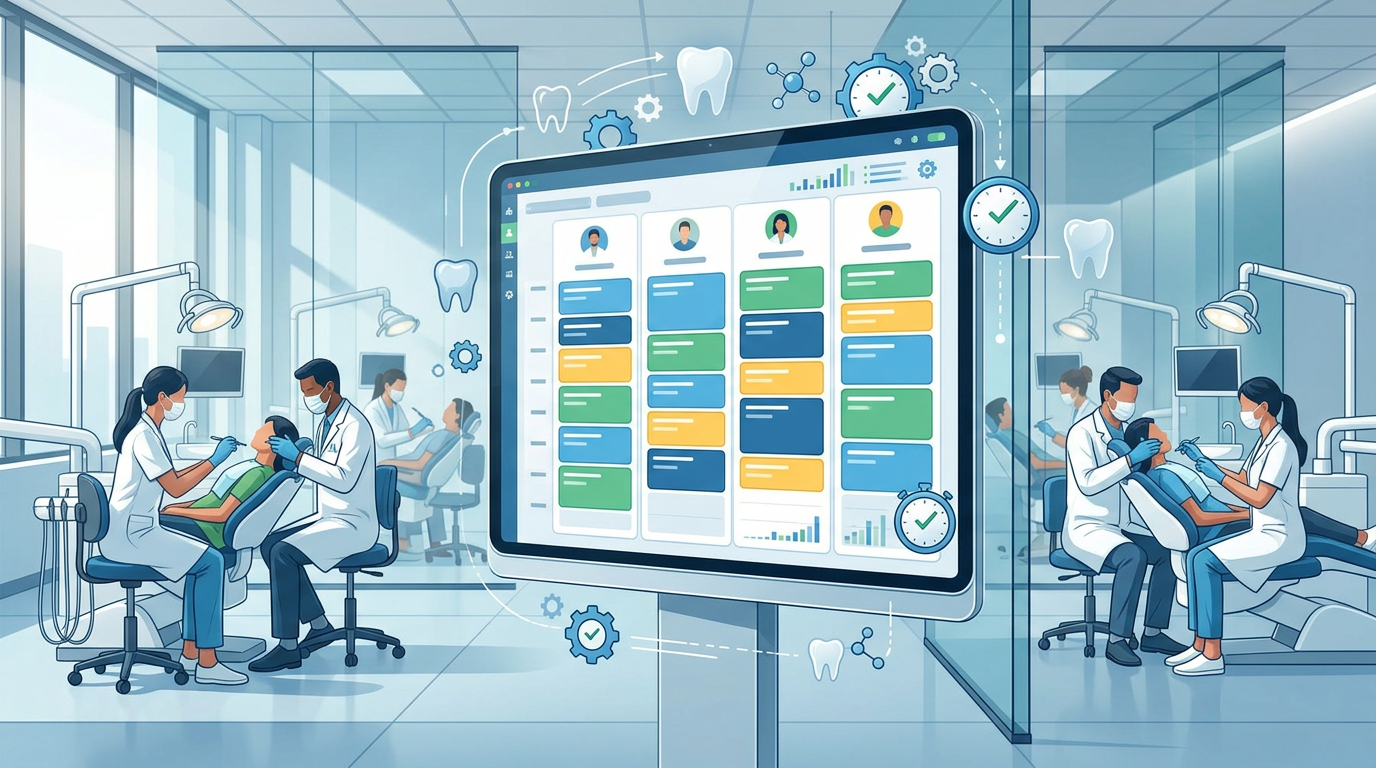
Intelligent software helps visualize the daily schedule for all providers and rooms, revealing chances to minimize provider movement between rooms. Can an assistant prep two patients in adjacent rooms while the dentist moves between them? Can hygiene appointments cluster for a smoother workflow? The software should help identify these efficiencies.
5. Proactive Management of Cancellations and No-Shows
Beyond automated fill-ins, use the software's data to spot patterns. Are certain patients or appointment types more prone to no-shows? Implement a targeted confirmation strategy, such as more frequent reminders or personalized calls for high-value appointments. The system can also flag patients with a no-show history and suggest specific scheduling protocols.
6. Cross-Training and Flexible Staffing
While the software optimizes, human flexibility is key. Cross-train assistants and front office staff on various tasks. This smooths transitions during busy periods and ensures that if one provider or assistant is delayed, others can step in or prepare the next patient, minimizing idle chair time for the main dentist.
7. Utilize Data Analytics for Continuous Improvement
Regularly review the reports and analytics, including chair utilization rates, provider productivity, and average appointment durations, to find where efficiency can improve. If certain procedures consistently run over, re-evaluate their allocated slot duration. This continuous feedback loop is vital for ongoing optimization.
8. Implement a 'Buffer Time' Strategy (Intelligently)
While the goal is to maximize capacity, strategically placing small buffers of 5 to 10 minutes between complex appointments prevents small delays from cascading through the day. Intelligent software can identify where these buffers help most without significantly reducing overall capacity.
9. Patient Self-Scheduling Integration
Empower patients with secure online portals to view openings and book their own visits. The software ensures these self-scheduled appointments adhere to all practice rules, provider availability, and resource constraints, reducing front office workload while filling slots efficiently.
10. Leverage AI for Future Capacity Planning
Advanced scheduling software optimizes the present and predicts future needs. By analyzing historical patient growth, referral patterns, and seasonal demand, the software reveals whether additional chairs, providers, or expanded hours might help in coming months, for instance looking ahead to 2025. This proactive planning prevents bottlenecks before they occur.
The Denti360 Advantage: Transforming Your Practice for 2025 and Beyond
Denti360's intelligent dental scheduling software is built for the complex demands of multi-provider practices. Maximizing chair time isn't just about filling slots; it's about creating a harmonious, efficient, profitable ecosystem where providers and patients thrive. Our solution integrates cutting-edge AI and machine learning to deliver features that go beyond conventional scheduling tools:
- Predictive Analytics: Anticipate no-shows, optimize provider availability, and proactively manage resource allocation from historical data.
- Customizable Workflows: Tailor scheduling rules to your practice's unique needs, accommodating provider specialties, room requirements, and procedure timings.
- Real-time Dashboards: Gain instant insight into chair utilization, provider productivity, and revenue performance for data-driven decisions.
- Seamless Integration: Our software integrates effortlessly with your practice management system, patient communication platforms, and digital imaging, creating a unified operational hub.
- Automated Patient Engagement: From smart recall systems to automated reminders and two-way messaging, Denti360 keeps patients engaged and reduces cancellations.
- Dynamic Waitlist Management: Automatically fill last-minute openings with the most suitable patients so no chair time is wasted.
- Scalability: Designed to grow with your practice, supporting more providers, locations, and patient volume without compromising performance.
Turn scheduling from a bottleneck into an engine for growth. Explore the full range of Denti360 practice management features, or book a demo with our team to see how intelligent scheduling can prepare your multi-provider practice for 2025 and beyond, making every minute of chair time count.
Conclusion: The Future of Dental Practice Efficiency
In today's competitive dentistry, efficient chair time management is no longer a luxury but a necessity for multi-provider practices. The complexity of multiple specialists, varying schedules, and diverse patient needs can overwhelm even organized practices relying on outdated systems. Intelligent dental scheduling software, like the advanced solution from Denti360, provides the infrastructure to navigate these challenges with precision and foresight.
By harnessing AI, predictive analytics, and automated resource management, practices move beyond simply filling appointments to strategically optimizing every part of their operational flow. The result is a cascade of benefits: reduced provider idle time, increased patient throughput, minimized revenue loss from cancellations, enhanced patient satisfaction, and a more profitable, sustainable practice. Looking toward 2025 and beyond, the practices that embrace intelligent scheduling will be best positioned to thrive, delivering superior care at peak operational efficiency.
Investing in intelligent dental scheduling software isn't just an upgrade; it's a strategic imperative for any multi-provider practice committed to maximizing its potential, turning every minute of chair time into an opportunity for success.