

Digital Dental Charting vs. Traditional Paper Records: A Comprehensive Guide for Modern Practices
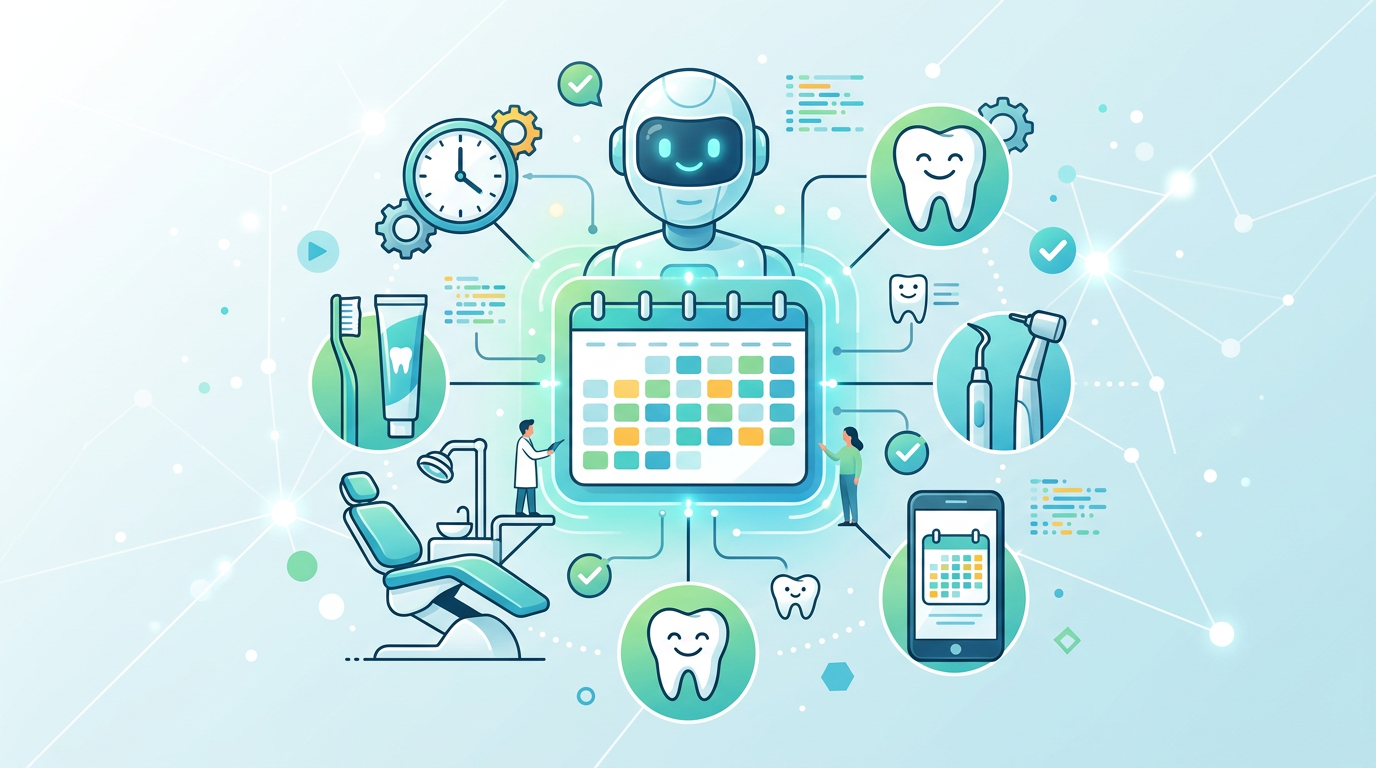
Digital dental charting is fast becoming the deciding factor between a practice that runs on time and one buried in paper folders and lost charts. In dental healthcare, efficiency, accuracy, and patient safety are paramount, and how you record and manage patient information now shapes all three. The shift from stacks of paper charts to sophisticated digital systems, driven by advancing dental technology and a push for streamlined operations, marks a pivotal moment for practices optimizing workflow and patient care. At Denti360, we understand how critical it is to choose the right system. This guide compares digital dental charting and traditional paper records in depth, exploring the benefits, challenges, and overall impact of each on the modern dental practice.
For decades, paper records were the undisputed standard. Dental charts, medical histories, treatment plans, and consent forms all lived in physical folders, meticulously maintained and stored. The method served its purpose but carried inherent limits in accessibility, security, and efficiency. Computer technology and specialized dental software paved the way for digital dental charting, a solution that promises to revolutionize how professionals interact with patient data.
The Era of Traditional Paper Records
Paper records were the backbone of dental practices for generations. Their simplicity and tangible nature made them easy to understand and implement. Each patient had a physical file containing hand-drawn charts, handwritten notes, x-ray films, and printed documents. Straightforward as it seemed, the system presented several operational hurdles.
Advantages of Traditional Paper Records
- Simplicity: No special training or complex software is required. A pen and paper are all you need.
- Low Initial Cost: The upfront investment for paper, folders, and storage cabinets is minimal compared to digital systems.
- Tangibility: Some practitioners prefer the tactile feel of physical records and the ability to quickly flip through pages.
- Familiarity: Many long-standing professionals are deeply comfortable with this method.
Disadvantages of Traditional Paper Records
- Storage Space: Physical records demand significant office space for filing cabinets, which grows unwieldy as a practice expands.
- Accessibility: Locating a specific chart is time-consuming in busy practices. Access is limited to one person at a time, and off-site access is virtually impossible.
- Security Risks: Paper records are vulnerable to loss, theft, fire, floods, and unauthorized access. HIPAA compliance with physical files requires stringent physical security.
- Prone to Errors and Illegibility: Handwritten notes can be hard to read, leading to misinterpretations. Errors require manual correction, often leaving messy alterations.
- Inefficiency: Sharing information with specialists means copying, faxing, or mailing, all time-consuming and prone to delays.
- Lack of Data Analytics: Extracting meaningful data for practice management, research, or trend analysis is incredibly difficult, if not impossible.
- Duplication and Redundancy: The same information is often recorded in multiple places, increasing the chance of discrepancies.
- Environmental Impact: Paper consumption contributes to environmental concerns.
The Rise of Digital Dental Charting
Digital dental charting, often part of comprehensive dental practice management software, represents a paradigm shift in managing patient data. Specialized software records, stores, and accesses all patient information electronically, including existing conditions, proposed treatments, completed procedures, medical history, notes, digital radiographs, intraoral images, and billing. It pairs naturally with streamlined patient management across the practice.
Key Features of Digital Dental Charting Systems
- Electronic Health Records (EHR): A centralized digital repository for all patient health information.
- Interactive Charting: Graphical interfaces allow precise charting of teeth and conditions with customizable symbols and annotations.
- Digital Radiography Integration: Seamlessly integrate X-ray images directly into the patient's digital file.
- Treatment Planning Tools: Facilitate clear presentation and modification of treatment plans.
- E-Prescribing: Electronically send prescriptions to pharmacies.
- Appointment Scheduling and Billing: Often integrated with practice management features for a holistic solution.
- Secure Messaging: Internal and external communication tools for secure data exchange.
- Reporting and Analytics: Generate reports on practice performance, patient demographics, and clinical outcomes.
Advantages of Digital Dental Charting
- Enhanced Accuracy and Legibility: Typed notes eliminate illegible handwriting, and standardized templates reduce missed information.
- Improved Accessibility: Records can be accessed instantly from multiple workstations at once, even remotely with secure VPNs, invaluable for multi-provider practices or emergency access.
- Superior Data Security: Robust encryption, backup protocols, and access controls protect sensitive information, making HIPAA compliance more manageable.
- Streamlined Workflow and Efficiency: Faster charting, quick retrieval, and automated tasks cut administrative time, letting staff focus on patient care.
- Reduced Storage Needs: Eliminates physical filing cabinets, freeing valuable office space.
- Seamless Integration: Connects with digital radiography, intraoral cameras, CAD/CAM systems, and patient communication platforms.
- Better Patient Education and Engagement: Digital charts, X-rays, and intraoral images display easily on screen, helping patients understand their oral health and proposed treatments.
- Advanced Reporting and Analytics: Powerful tools analyze practice trends, identify improvements, and support evidence-based dentistry.
- Environmental Friendliness: Reduces paper consumption for a greener practice.
- Disaster Recovery: Digital backups restore data quickly after physical damage to the office.
Disadvantages of Digital Dental Charting
- Initial Investment: Upfront costs for software licenses, hardware, and network infrastructure can be substantial.
- Learning Curve: Staff need training to use the new software, which can temporarily affect productivity.
- Dependency on Technology: Downtime from power outages, software glitches, or network failures can halt operations, so robust backup and contingency plans are essential.
- Security Threats: Though generally more secure, digital systems face cyberattacks, requiring constant vigilance, strong cybersecurity, and regular updates.
- Data Migration: Converting existing paper records to digital can be laborious and time-consuming.
- Updates and Maintenance: Requires ongoing updates, technical support, and potentially subscription fees.
The Transition: Navigating From Paper to Digital in 2025
For practices considering the switch, moving from paper to digital charting is a major undertaking requiring careful planning. It is not just installing software; it is re-engineering workflows, training staff, and ensuring data integrity.
Key Steps for a Successful Transition
- Research and Selection: Thoroughly research dental practice management software options. Look for comprehensive charting, integration, robust security, and excellent support, such as solutions from Denti360, and review the full feature set before deciding.
- Budgeting: Account for software licenses, hardware upgrades, network infrastructure, data migration services, and training costs.
- Data Migration Strategy: Decide whether to scan all old paper records, only recent ones, or run a hybrid system for a period. Many practices digitize active patient files and scan older files as needed.
- Staff Training: Comprehensive, ongoing training is crucial. Ensure all team members are comfortable and proficient. Consider phased implementation and designated super-users.
- System Implementation: Work with your chosen vendor to install and configure the software, ensuring proper network setup and data backup solutions.
- Cybersecurity Measures: Implement robust firewalls, antivirus software, regular local and cloud backups, and strong password policies. Conduct regular security audits.
- Phased Rollout: Consider a gradual transition, perhaps starting with new patients or specific procedures, before fully converting.
- Contingency Planning: Develop a plan for downtime, including manual charting procedures and access to essential patient information.
The Future of Dental Charting: Beyond 2025
The evolution of dental charting is far from over. As technology advances, expect even more sophisticated, integrated solutions. Artificial intelligence (AI) and machine learning (ML) are poised to play a major role, potentially automating aspects of charting, assisting diagnosis by analyzing radiographs, and identifying patterns for predictive analytics.
- AI-Powered Diagnostics: AI could analyze digital images and charts to flag potential issues, assist treatment planning, and predict future oral health problems.
- Voice Recognition: Enhanced voice-to-text could let dentists chart hands-free, improving efficiency and ergonomics.
- Enhanced Interoperability: Greater integration with other healthcare systems will facilitate truly holistic patient care.
- Tele-dentistry Integration: Digital charting will become even more central to remote consultations and virtual care.
- Personalized Treatment Plans: Data analytics could enable highly personalized plans based on extensive patient data and evidence-based research.
For Denti360, staying at the forefront of these advancements is a commitment. We continuously strive to provide solutions that empower practices to deliver the highest quality of care efficiently and securely.
Conclusion: Embracing the Digital Advantage
The comparison clearly favors modern technology. Paper records offer simplicity and low initial costs, but they fall short on accessibility, security, efficiency, and data analytics, all critical to a successful dental practice in 2025 and beyond. Digital dental charting, despite its initial investment and learning curve, delivers unmatched benefits in accuracy, security, workflow optimization, and patient engagement.
For practices aiming to thrive in a digital world, the transition is not merely an upgrade; it is a strategic imperative and an investment in efficiency, patient safety, and future growth. With careful planning and robust, integrated solutions, dental professionals can harness digital technology to elevate care and streamline operations. The future of dentistry is digital. Ready to make the move? Contact Denti360 to see how our digital charting can modernize your practice.