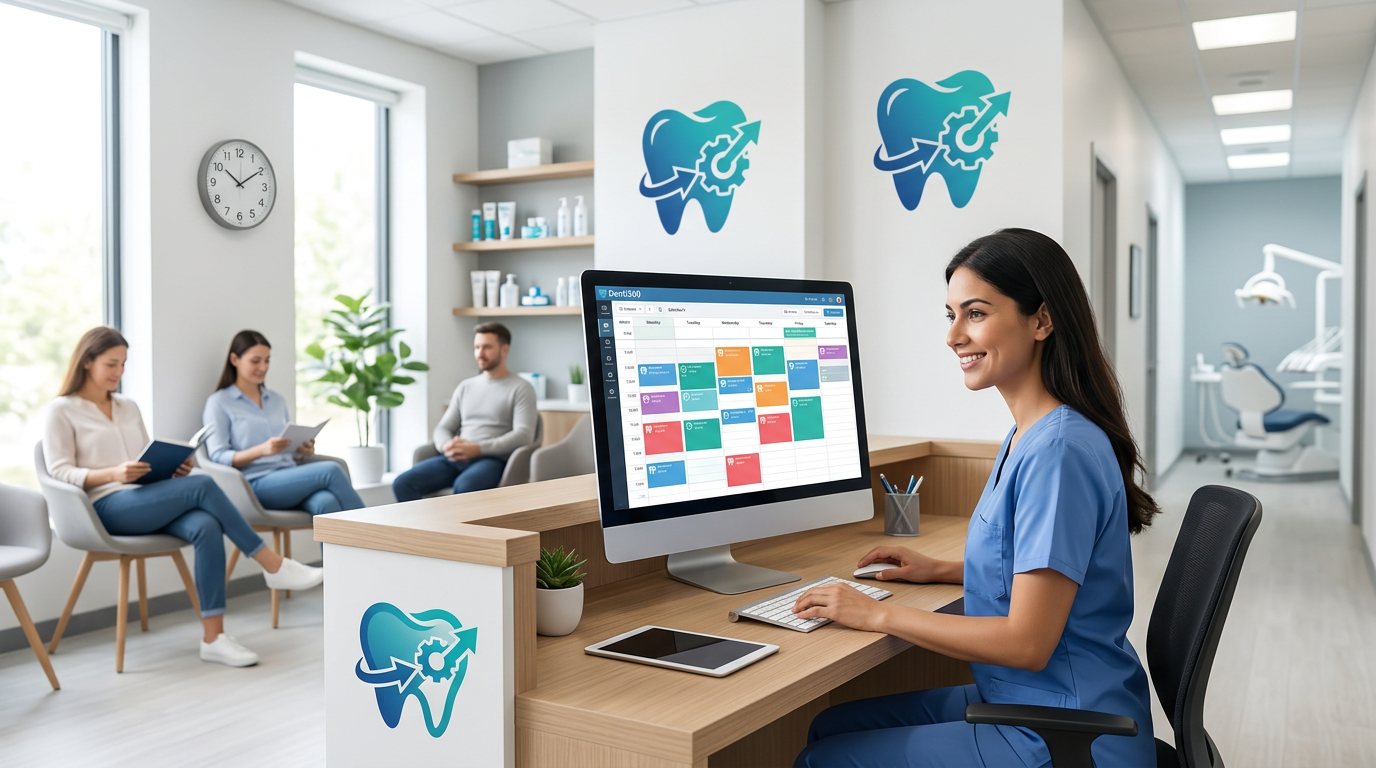


Streamlining Dental Implant Patient Onboarding With Integrated Software
Dental implant patient onboarding is where many practices quietly lose time, trust, and case acceptance, and integrated management software is the fix. The journey from initial inquiry to final restoration involves detailed consultations, comprehensive diagnostics, treatment planning, financial discussions, and ongoing communication. Handled traditionally, those steps are fragmented, time-consuming, and prone to manual error, frustrating patients and creating administrative bottlenecks. Integrated dental management software changes that, delivering a streamlined, seamless, and superior onboarding experience for new implant cases.
For practices specializing in dental implants, efficiently managing this complex patient flow is not just an operational advantage but a critical driver of patient satisfaction and practice growth. Integrated software centralizes every aspect of care, from pre-appointment information gathering to post-operative follow-up, so each step is meticulously managed, communicated, and documented. Here's how this technology can revolutionize onboarding for your new dental implant patients.
The Challenges of Traditional Dental Implant Patient Onboarding
Before the solutions, it helps to understand the inherent challenges of traditional implant onboarding. These often include:
- Manual data entry and redundancy: Patients fill out multiple forms, creating repetitive entry for staff and more chances for transcription errors.
- Fragmented information: Patient records, diagnostic images (X-rays, CT scans), treatment plans, and financial agreements live in disparate systems, making a complete profile hard to access quickly.
- Inefficient communication: Scheduling, reminders, and pre-operative instructions rely on phone calls, emails, or mail, which are inconsistent and time-consuming.
- Lack of patient engagement: Patients may feel overwhelmed or disengaged without clear communication and personalized attention.
- Compliance and consent hurdles: Ensuring all consent forms are properly signed and stored is a logistical challenge, especially for complex implant procedures.
- Billing and financial transparency issues: Implant financial discussions are delicate, and manual quotes and payment plans can lack transparency and cause misunderstandings.
These challenges consume valuable staff time and can diminish a patient's perception of the practice, potentially hurting treatment acceptance and referrals.
Key Features of Integrated Software for Implant Onboarding
Integrated dental management software like Denti360 overcomes these hurdles with a comprehensive feature set tailored for specialized procedures. Here's how its core functionalities streamline implant patient onboarding.
1. Centralized Patient Information Management
At the heart of integrated software is a unified patient record. For new implant patients, this means:
- Single patient profile: Demographics, medical history, dental history, allergies, medications, and contact information all live in one secure location.
- Digital forms: Patients complete intake forms online before their first appointment, and the data automatically populates their digital chart, eliminating manual entry and reducing errors.
- Integrated imaging: X-rays, 3D CT scans, intraoral photos, and other diagnostic images link directly to the record, providing a complete visual history for diagnosis and treatment planning.
This centralization gives every team member, from the front desk to the dental surgeon, immediate access to the most current, comprehensive patient information, the foundation of streamlined patient management.
2. Seamless Appointment Scheduling and Reminders
The implant journey spans multiple appointments. Integrated software optimizes them with:
- Online booking portals: New patients schedule their initial consultation at their convenience, often integrated with real-time availability.
- Automated reminders: Customizable SMS, email, or automated-call reminders for consultations, diagnostics, surgery, and follow-ups significantly reduce no-shows.
- Treatment plan scheduling: The software maps out the full sequence of appointments for the implant process, ensuring logical progression and efficient use of clinical time.
This automation frees administrative staff and improves patient adherence to the treatment plan, keeping the multi-visit implant journey on track.
3. Comprehensive Digital Consent and Documentation
Dental implants require extensive informed consent, and integrated software simplifies it:
- Electronic consent forms: Patients review and sign consent forms digitally with legally binding e-signatures, then those forms are securely stored in their record.
- Patient education modules: The software provides educational videos and detailed explanations of implant procedures, risks, and benefits, ensuring patients are well-informed before consenting.
- Automated documentation: All interactions, treatment notes, and communications are logged automatically, creating a detailed, auditable record for compliance and legal protection.
This enhances compliance and empowers patients with clear, accessible information.
4. Integrated Treatment Planning and Case Presentation
For implants, a well-communicated treatment plan is crucial, and integrated software strengthens it:
- Digital treatment planning tools: Some advanced systems offer integrated tools for virtual implant placement and surgical guide design, linked directly to the patient's diagnostic images.
- Visual case presentation: Dentists present options using 3D models, patient-specific imaging, and simulated outcomes within the software, making complex information easy to understand.
- Customizable treatment plans: Generate detailed, personalized plans that outline each step, associated costs, and projected timelines.
This visual, comprehensive approach significantly improves patient understanding and acceptance of proposed implant treatments.
5. Transparent Financial Management and Billing
Financial discussions can be a sensitive part of the implant process. Integrated software provides:
- Automated treatment estimates: Generate accurate, detailed cost estimates from the agreed plan, with a breakdown of services and materials.
- Insurance integration: Verify patient insurance benefits and submit pre-authorizations directly from the software, clarifying out-of-pocket expenses.
- Flexible payment options: Manage payment plans, financing options, and recurring payments within the system, making treatment more affordable.
- Digital invoicing and receipts: Send clear, itemized invoices and receipts electronically, improving transparency and reducing overhead. This level of financial tracking keeps implant case finances clear from day one.
Financial clarity from the outset builds trust and reduces anxiety for patients considering significant investments like dental implants.
6. Enhanced Patient Communication and Engagement
Consistent communication is vital throughout the implant journey:
- Secure patient portals: A dedicated portal lets patients access their schedule, treatment plans, and educational materials and communicate securely with the practice.
- Automated pre- and post-operative instructions: Deliver tailored instructions (such as fasting before surgery and post-op care tips) automatically via the patient's preferred channel.
- Recall and follow-up management: Schedule and automate reminders for maintenance appointments, supporting long-term implant success.
- Two-way messaging: Enable secure, documented communication between patients and the team, improving responsiveness and satisfaction.
Proactive, personalized communication keeps patients informed, engaged, and confident in their treatment choice.
Implementing Integrated Software for Your Dental Implant Practice
Successfully integrating new software takes a strategic approach:
- Assessment of current workflows: Identify bottlenecks and improvement areas in your existing implant onboarding process.
- Vendor selection: Choose a reputable integrated provider like Denti360 with robust features for complex procedures like implants and strong customer support.
- Staff training: Comprehensive training for front desk, dental assistants, hygienists, and dentists ensures proficiency with the new system.
- Phased implementation: Consider a phased rollout to minimize disruption, perhaps starting with digital forms and scheduling before more complex features.
- Continuous optimization: Regularly review workflows and software usage to find further streamlining and efficiency gains.
The Denti360 Advantage for Dental Implant Onboarding
Denti360 is designed for the modern dental practice, offering a powerful, intuitive platform that integrates every aspect of patient care. For implant cases, Denti360 provides:
- End-to-end workflow automation: From initial inquiry to post-operative follow-up, Denti360 automates and streamlines every step.
- Superior patient experience: Empower patients with easy access to information, clear communication, and transparent financial discussions.
- Enhanced clinical efficiency: Give your clinical team immediate access to comprehensive patient data, diagnostic images, and treatment plans for faster, better-informed decisions.
- Robust reporting and analytics: Gain insights into your implant case pipeline, patient conversion rates, and financial performance for data-driven growth.
- Unmatched security and compliance: Denti360 prioritizes data security and HIPAA compliance so patient information is always protected.
With a comprehensive solution like Denti360, implant practices overcome traditional onboarding challenges, elevate service delivery, attract more patients, and achieve greater operational success.
Conclusion: A Future of Seamless Dental Implant Care
Dental care keeps evolving, with technology playing an ever-larger role in improving outcomes and efficiency. For new implant cases, integrated dental management software offers a clear path to a more streamlined, transparent, patient-centric onboarding experience. By embracing it, practices reduce administrative burdens, enhance communication, improve treatment acceptance, and build stronger, more trusting patient relationships. As we move toward 2025 and beyond, adopting these integrated solutions is no longer a luxury but a necessity for implant practices pursuing excellence and sustained growth.
Investing in integrated dental management software like Denti360 is an investment in your practice's future, ensuring every new dental implant patient begins their journey with clarity, confidence, and exceptional care. Explore the Denti360 platform features built for complex cases, then contact our team to see how onboarding could work in your practice.