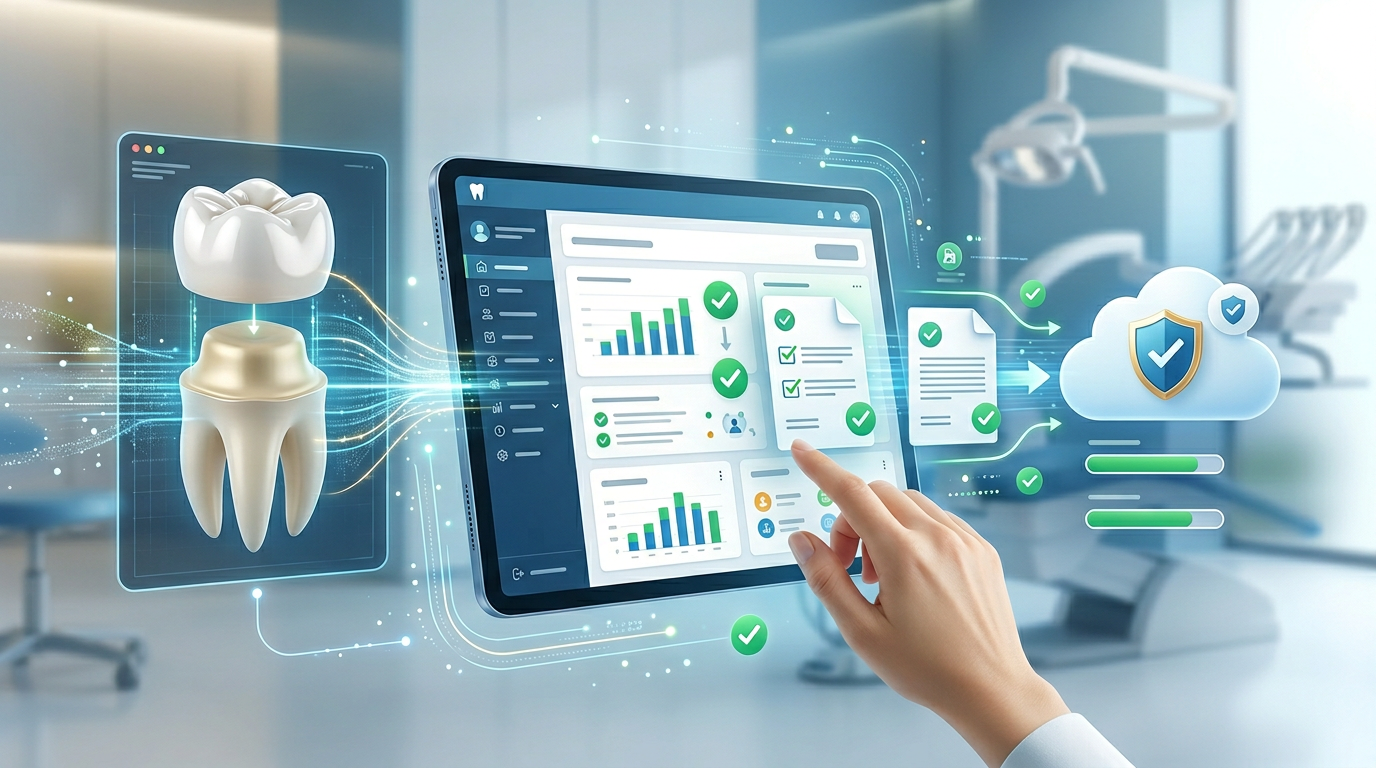


How Dental Billing Software Boosts Prosthodontic Claim Approvals
Dental billing software can be the difference between a paid prosthodontic case and a stack of denials. Full mouth reconstructions, dental implants, bridges, and extensive restorative work are among your highest-value services, yet securing timely, accurate reimbursement on them is a constant battle. Their clinical complexity, combined with shifting payer policies, documentation demands, and coding specifics, drives frequent denials, appeals, and administrative strain. For practices, streamlining this isn't only about efficiency; it's about protecting profitability, patient satisfaction, and a healthy revenue cycle. This guide shows how modern dental billing software improves insurance claim approval for complex prosthodontic cases, reduces rejections, and strengthens practice finances.
The Unique Challenges of Prosthodontic Claim Submissions
Before the solutions, it helps to understand why prosthodontic claims are so prone to denial:
- High treatment costs: Prosthodontic procedures carry substantial price tags, so insurers scrutinize them more closely.
- Medical necessity justification: Many complex cases blur the line between cosmetic and medically necessary, making robust documentation of functional need critical.
- Multi-phase treatments: Cases often span multiple stages over time, so proper staging, per-phase coding, and coordination across submissions can be challenging.
- Extensive pre-authorization requirements: Most high-cost prosthodontic treatments require pre-authorization, and mishandling it leads to outright denials.
- Detailed supporting documentation: Insurers demand radiographs, periodontal charts, diagnostic models, narratives, treatment plans, and sometimes photographs. Incomplete or incorrect documentation is a leading cause of denial.
- Evolving coding standards: CDT codes update regularly, and outdated or incorrect codes for complex procedures can halt claims.
- Coordination of Benefits (COB): For patients with multiple plans, coordinating benefits on high-value work adds another layer of complexity.
- Provider network status: In-network versus out-of-network status significantly affects reimbursement rates and patient responsibility, demanding meticulous communication and billing.
These challenges underscore the need for a sophisticated, systematic approach to dental billing, exactly where specialized software shines.
How Dental Billing Software Transforms Prosthodontic Claims Approval
Advanced dental billing software, especially integrated solutions from Denti360, takes a multi-faceted approach to these hurdles, significantly improving first-pass approval rates.
1. Precision in Coding and Documentation
- Automated code verification: Software cross-references procedure codes against common prosthodontic treatments, flagging miscodes or missing codes and suggesting appropriate CDT codes from the treatment plan.
- Intelligent narrative generation: For cases needing detailed medical-necessity explanations, advanced systems help generate compelling narratives by prompting for key clinical details, cutting manual writing time.
- Attachment management and submission: Robust documentation is the cornerstone of successful prosthodontic claims. Billing software organizes and electronically submits radiographs, intraoral photos, diagnostic models, and treatment plans with the claim, so nothing is overlooked.
- CDT code updates: Reputable providers keep systems current with the latest CDT codes, preventing denials from outdated coding.
2. Streamlined Pre-Authorization Process
- Automated pre-authorization workflows: The software manages the full pre-authorization lifecycle, from submission to tracking and follow-up, prompting staff to initiate authorizations for specific high-cost procedures so the step is never missed.
- Real-time status tracking: Instead of manual phone calls, staff track pre-authorization requests directly in the software for transparency and reduced administrative burden.
- Documentation for pre-authorization: The software compiles the clinical evidence needed for pre-authorization, mirroring final claim requirements and setting the stage for approval.
3. Enhanced Claim Scrubbing and Error Detection
- Pre-submission error checks: Before sending, the software scrubs for common errors such as missing patient information, incorrect provider details, mismatched procedure and diagnosis codes, or missing attachments, drastically reducing initial denials.
- Payer-specific rules: Advanced systems incorporate payer billing rules and preferences. If an insurer always requires specific radiographs for implant cases, the software flags it, preventing a missing-information denial.
- Bundling and unbundling alerts: Proper bundling and unbundling is crucial for prosthodontics, and the software alerts users to services that should be combined or separately coded.
4. Efficient Denial Management and Appeals
- Automated denial tracking: When a claim is denied, the software logs the reason, date, and associated claim, making recurring denial patterns easy to spot.
- Appeal workflow management: Because complex prosthodontic cases often require appeals, the software guides staff through the process, prompting for additional documentation, revised narratives, or specific appeal forms.
- Reporting and analytics: Denti360's solutions provide robust reporting that analyzes denial rates by procedure, payer, and reason. This data-driven insight, part of broader financial tracking, helps practices fix systemic issues. If 'lack of medical necessity' frequently denies full-mouth restorations, the practice can refine its documentation protocols.
5. Improved Patient Communication and Financial Transparency
- Accurate estimates: The software generates precise treatment estimates that clearly outline a patient's expected out-of-pocket costs after insurance, preventing confusion on high-value cases.
- Benefit verification: Real-time benefit verification ensures both practice and patient understand coverage for complex procedures before treatment begins, minimizing surprises.
- Financial arrangement management: For uncovered portions, the software manages payment plans and financing options that integrate with billing.
6. Workflow Optimization and Staff Training
- Reduced manual work: Automating repetitive tasks frees staff to focus on complex documentation and follow-up for prosthodontic cases.
- Standardized processes: The software enforces standardized billing procedures, reducing the variability and errors of manual work.
- Training and knowledge base: Many solutions offer built-in training modules and resources that help staff master complex prosthodontic billing rules.
Key Features to Look for in Prosthodontic Billing Software
When evaluating dental billing software for complex prosthodontic cases, prioritize these essential features:
- Comprehensive payer database: An extensive, regularly updated database of insurers, their rules, and submission portals.
- Advanced claim scrubber: Robust logic to catch errors, missing information, and likely denials before submission.
- Integrated practice management: Seamless connection to patient records, treatment plans, and scheduling for a holistic view; strong patient management keeps clinical and billing data in sync.
- Electronic attachment submission: Direct, secure electronic submission of all required supporting documents.
- Pre-authorization management: Tools to manage and track the pre-authorization process effectively.
- Denial management and appeals workflow: Features to track denials, identify reasons, and manage appeals efficiently.
- Reporting and analytics: Customizable reports for financial performance, denial trends, and collection rates.
- Automated reminders and follow-ups: Alerts for pending claims, unpaid balances, and follow-up actions.
- Security and compliance: HIPAA compliance and robust data security, which are non-negotiable.
- Customer support and training: Reliable support and thorough training resources for staff.
Implementing Denti360's Solution for Maximum Impact
For practices partnering with Denti360, a specialized billing platform means more than automation. It means a solution built for the demands of modern dentistry, particularly complex prosthodontic cases.
1. Initial setup and configuration: Denti360's team assists with setup, configuring the software to your specific needs, including payer details and common prosthodontic procedures.
2. Staff training and adoption: Comprehensive training ensures clinical and administrative staff can use the software effectively for documentation, coding, and claim submission, often through scenario-based training for specific procedures.
3. Continuous optimization: The software's analytics let practices monitor performance, find bottlenecks, and refine billing strategies. Reviewing denial reports regularly (for example, in early 2025) can drive significant process improvements.
4. Expert support: Access to Denti360's support team ensures timely help with technical issues or complex prosthodontic billing questions.
Conclusion: A Paradigm Shift in Prosthodontic Revenue Cycle Management
A dental practice's financial health depends heavily on managing insurance claims well, especially for high-value, complex prosthodontic cases. Manual processes increasingly fall short against intricate payer rules, documentation demands, and evolving coding standards. Advanced dental billing software delivers a true paradigm shift in revenue cycle management.
From meticulous coding and automated pre-authorizations to proactive error detection and efficient denial management, these tools empower teams to submit cleaner, more accurate claims. The result is higher first-pass approval rates, less administrative overhead, faster reimbursements, and stronger profitability. For Denti360 and its partners, this technology is a strategic imperative that secures financial stability and lets dentists focus on exceptional care. Contact Denti360 to see how our platform can lift approval rates on your most complex cases and position your practice for sustained growth.