
Dental Telehealth vs. In-Office Visits for Post-Operative Care
Dental telehealth has reshaped how practices handle post-operative care, giving dentists a flexible alternative to traditional follow-up appointments that eat into chair time and frustrate recovering patients. A patient who skips a day of work and fights traffic just to confirm a routine extraction is healing well is a problem worth solving. While certain procedures require a patient in the chair, post-operative care is where remote consultation truly shines. For dental professionals, knowing when to use telehealth versus an in-office visit is crucial for optimizing outcomes, improving convenience, and boosting practice efficiency. This guide explores the benefits, limitations, and decision points of both approaches, helping you determine when remote consultation is best for post-operative care, especially for a technologically forward company like Denti360.
The Evolution of Post-Operative Care: From Analog to Digital
Historically, post-operative dental care meant scheduled in-office follow-up appointments. These visits let practitioners physically examine the surgical site, assess healing, remove sutures, and address immediate concerns. Effective as that model was, it created logistical friction for everyone. Patients faced travel time, transportation costs, time off work, or childcare hurdles. Clinics had to manage scheduling, allocate physical space, and ensure staff availability. Telehealth, accelerated by global health events, now offers a viable alternative, enabling a more flexible and patient-centric approach to post-operative monitoring and support.
Understanding Dental Telehealth for Post-Operative Care
What Is Dental Telehealth?
In post-operative care, dental telehealth uses telecommunication technologies to deliver remote clinical services. It spans several modalities:
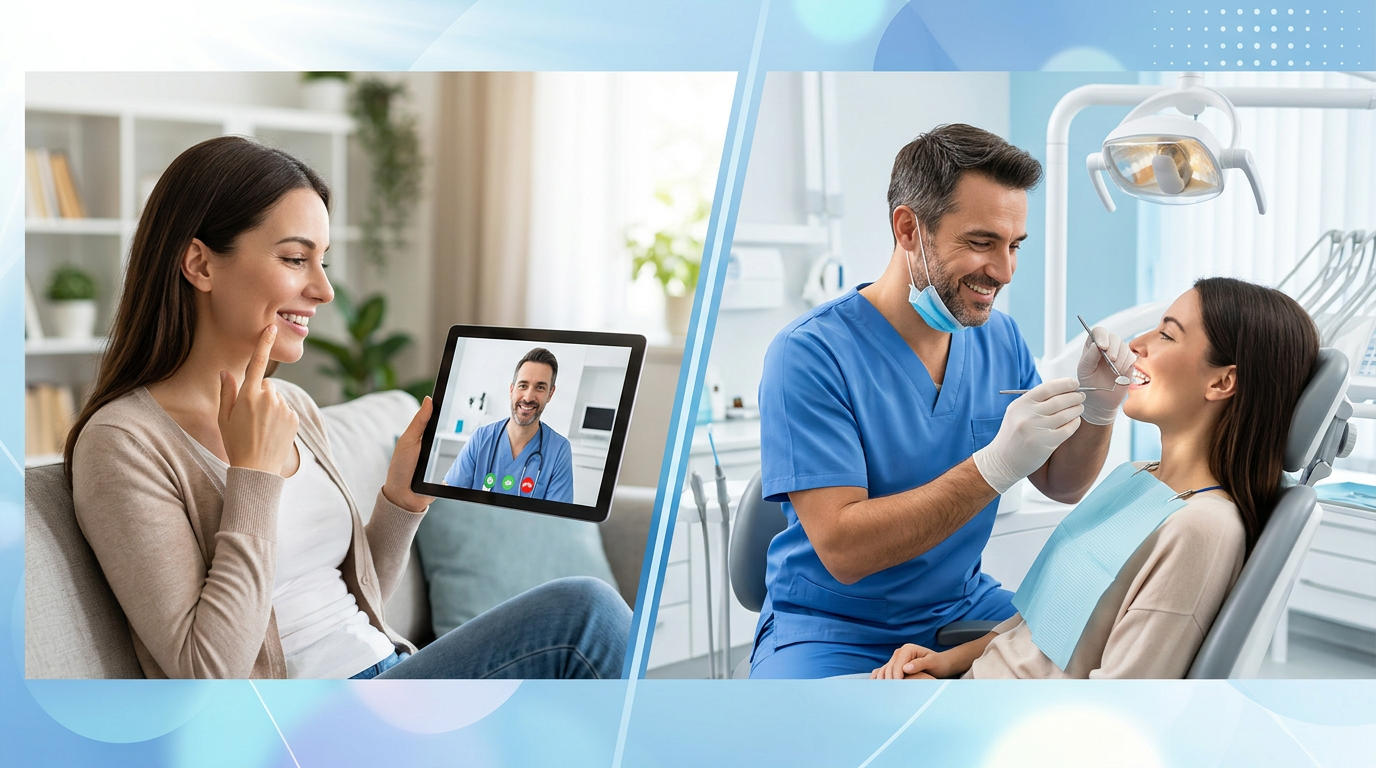
- Synchronous Telehealth: Real-time interactive communication between patient and dental professional, often via live video conferencing. This allows direct visual assessment (limited by screen resolution) and verbal communication, mimicking many aspects of an in-office consultation.
- Asynchronous Telehealth (Store-and-Forward): Transmission of pre-recorded health information, such as photos or videos of the surgical site, patient-reported symptoms, or completed questionnaires, sent to the professional for later review and feedback without a live interaction.
- Remote Monitoring: Less common in general dentistry but emerging, this uses technology to collect and transmit patient health data, such as temperature or swelling measurements, from a distance.
Benefits of Telehealth for Post-Operative Care
Integrating telehealth into post-operative protocols delivers numerous, impactful advantages:
- Enhanced Convenience and Accessibility: Patients receive follow-up care from home, eliminating travel, parking, time off work, and childcare arrangements. This especially helps patients with limited mobility, those in rural areas, and individuals with demanding schedules.
- Reduced Patient Costs: Eliminates transportation costs and potential lost wages tied to in-person visits.
- Improved Adherence to Follow-Up Protocols: Easy access raises compliance with recommended follow-up schedules, ensuring timely intervention if complications arise.
- Earlier Detection of Complications: Patients may report minor concerns or subtle changes more readily, allowing earlier detection and management before issues escalate.
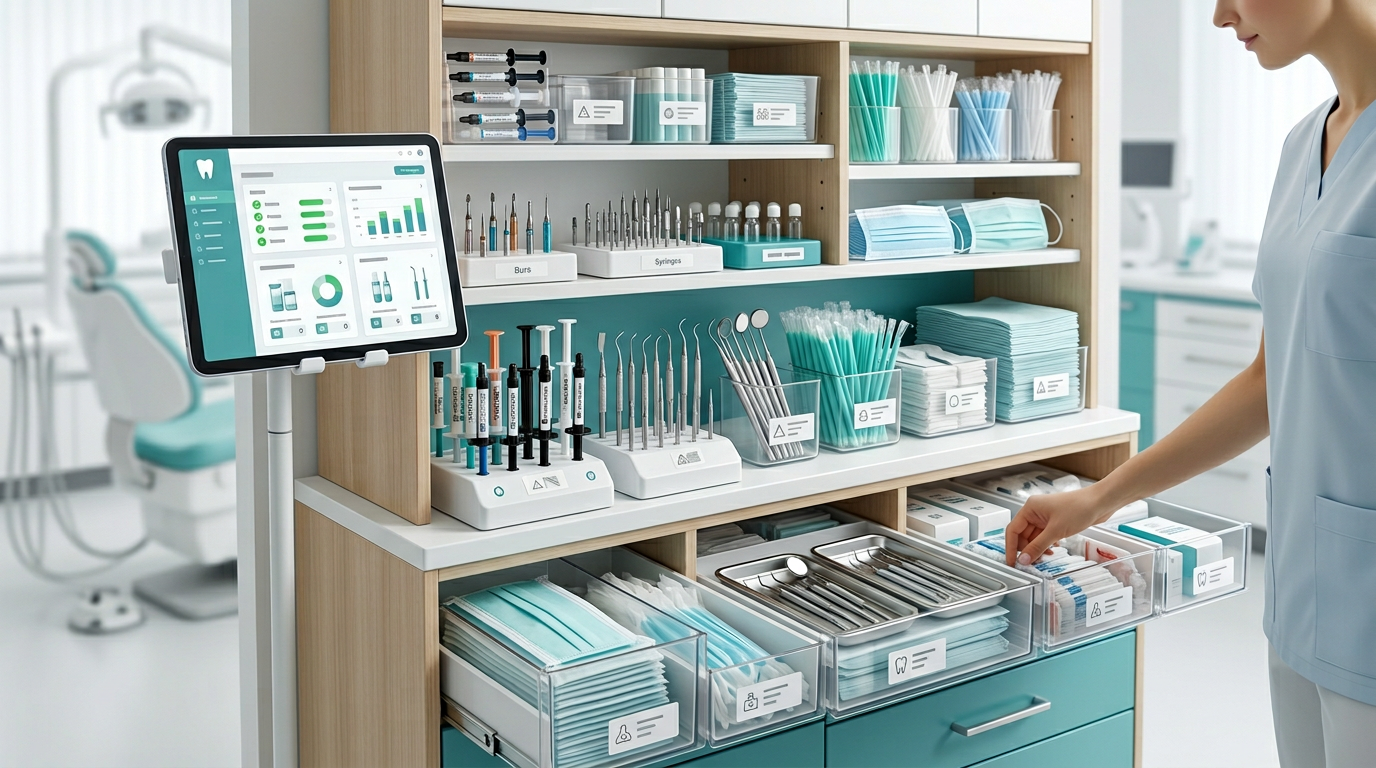
- Efficient Use of Clinic Resources: Telehealth appointments free up operatory space and let staff focus on in-person procedures, increasing overall efficiency. Smarter appointment scheduling across both visit types keeps the calendar working harder.
- Continuity of Care: Ongoing communication and support strengthen the patient-provider relationship.
- Reduced Exposure Risk: Minimizes exposure to infectious diseases for patients and staff, a significant concern, especially post-2026.
- Patient Education and Reassurance: Remote consultations are an excellent chance to reinforce post-operative instructions, ease patient anxieties, and demonstrate proper home care techniques.
When Is Telehealth Best for Post-Operative Care?
Telehealth is particularly well-suited for specific post-operative scenarios:
- Routine Check-ins and Symptom Monitoring: For patients recovering from routine extractions, simple implant placements, or minor periodontal procedures, telehealth is ideal for monitoring healing, assessing pain, and checking for swelling or mild discomfort.
- Suture Removal (When Simple and Accessible): If sutures are superficial and easily visible, a skilled patient or caregiver can be guided through removal via live video, or the practitioner can assess the site and decide whether an in-office visit is truly necessary.
- Assessment of Minor Concerns: Questions about diet restrictions, medication side effects, or minor swelling can often be resolved remotely, preventing an unnecessary trip to the clinic.
- Reviewing Home Care Instructions: Reinforcing oral hygiene techniques, dietary advice, and medication protocols works efficiently via telehealth, with visual demonstration when needed.
- Pre-emptive Screening for Complications: When a patient calls with a concern such as increased pain or unusual discharge, a rapid telehealth consultation helps the dentist gauge urgency and decide between remote management and an immediate in-office visit.
- Post-Op Check-ins After Complex Procedures: Even after complex surgeries, initial follow-ups can be conducted via telehealth to confirm general well-being and flag red flags before an eventual in-office assessment.
The Indispensable Role of In-Office Visits
Despite its advantages, telehealth is not a complete replacement for in-office care. Certain aspects of post-operative management unequivocally require a physical presence.
Limitations of Telehealth
- Lack of Tactile Examination: The biggest limitation is the inability to palpate, probe, or physically examine the surgical site. This matters for assessing firmness, tenderness, mobility, and tissue integrity.
- Limited Visual Acuity: Video quality has improved, but it cannot match the detail of a direct, illuminated intraoral exam. Subtle signs of infection, dehiscence, or other complications may be missed.
- Inability to Perform Procedures: Telehealth cannot support debridement, re-suturing, drain removal, or direct medication application.
- Reliance on Patient Reporting: Assessment accuracy depends heavily on the patient's ability to describe symptoms and perceive their own healing.
- Technology Barriers: Not all patients have reliable internet, suitable devices, or the technical literacy for effective consultations.
- Legal and Regulatory Considerations: Frameworks for dental telehealth still vary across jurisdictions, particularly regarding state lines and scope of practice.
When In-Office Visits Are Essential
In-office follow-up visits remain absolutely critical for:
- Complex Surgical Site Assessment: Whenever the site must be physically examined for infection (purulent discharge, severe erythema), flap dehiscence, exposed bone, or compromised grafting materials.
- Suture Removal (Complex or Multiple): Multiple, deeply placed, or hard-to-access sutures are best removed in a controlled clinical environment to ensure complete removal and prevent tissue trauma.
- Management of Complications: Signs of significant infection requiring incision and drainage, acute pain needing immediate intervention, or any complication demanding direct clinical action make an in-office visit mandatory.
- Assessment of Graft Integration/Implant Stability: For bone grafts or dental implants, physically assessing integration and stability over time is paramount and cannot be done remotely.
- Occlusal Adjustments: After prosthodontic procedures such as crown delivery, precise occlusal adjustments require direct interaction and articulation.
- Situations Requiring Intraoral Photography/Radiography: When detailed documentation or radiographic assessment is needed to monitor healing or diagnose issues, an in-office visit is required.
- Patients with Communication or Cognitive Difficulties: For these groups, in-person interaction yields a more accurate assessment and better ensures compliance with instructions.
- Initial Post-Op for High-Risk Patients: Patients with compromised immune systems, significant comorbidities, or a history of healing complications may benefit from an initial in-person follow-up regardless of the procedure.
Building a Hybrid Post-Operative Care Model
For modern practices aligned with Denti360's forward-thinking ethos, the optimal approach is usually a hybrid model that intelligently combines telehealth and in-office visits. This model prioritizes patient needs, enhances efficiency, and maintains high standards of care.
Developing a Hybrid Protocol
- Initial In-Office Assessment: Almost all procedures need an initial in-office post-operative check, typically within a few days, especially for invasive surgeries. This enables the first critical assessment and direct interaction.
- Telehealth Triage and Follow-Up: Subsequent follow-ups can shift to telehealth for routine checks, symptom monitoring, and patient questions. Patients learn what signs to watch for and when to request a remote consultation.
- Patient Education on Telehealth Use: Teach patients to use telehealth platforms effectively, including how to capture clear photos or videos of the surgical site for asynchronous communication.
- Clear Conversion Criteria: Establish guidelines for when a telehealth consultation must convert to an in-office visit, based on reported symptoms (fever, worsening pain, excessive bleeding), visual findings, or lack of improvement.
- Robust Communication Channels: Ensure seamless communication between the dental team and patients regardless of consultation modality.
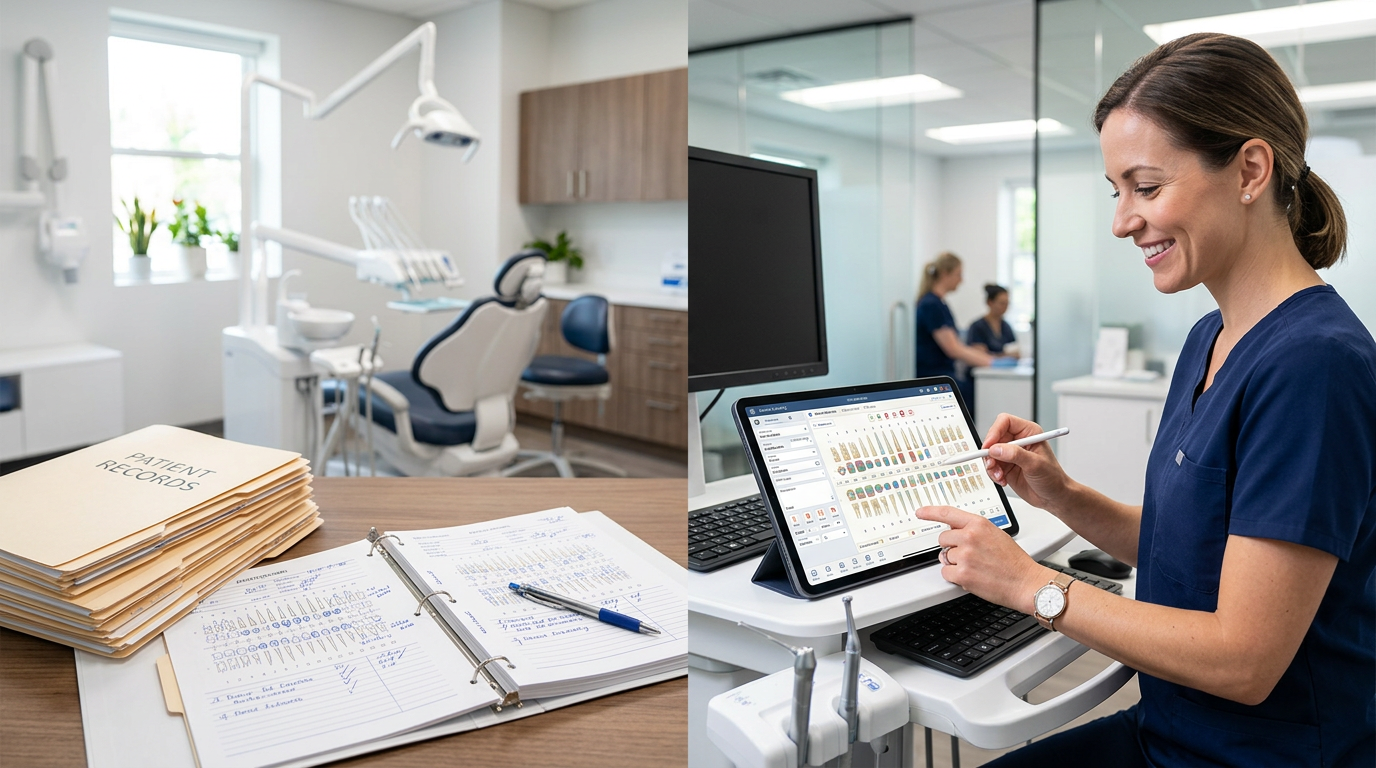
- Documentation: Keep meticulous records of all telehealth interactions, including findings, advice, and decisions, integrated into the patient's electronic health record.
Technological Considerations for Denti360
For Denti360, embracing cutting-edge telehealth technology is a cornerstone of its mission, not just an option. This involves:
- Secure and HIPAA-Compliant Platforms: Ensuring all telehealth solutions meet stringent security and privacy regulations to protect patient data.
- High-Definition Video and Audio: Investing in platforms with superior visual and auditory clarity to maximize the effectiveness of remote examinations.
- Integrated EHR Systems: Seamlessly connecting telehealth with existing Electronic Health Record systems for efficient documentation and record-keeping. Centralized patient management keeps every interaction in one place.
- Patient Portal: A user-friendly portal for easy scheduling, secure messaging, image uploads, and access to post-operative instructions.
- Remote Monitoring Devices (Future State): As technology advances, Denti360 could integrate remote monitoring devices for vital signs or specific healing parameters, further enhancing remote oversight.
Case Studies and Future Outlook
Consider a patient undergoing a routine wisdom tooth extraction. An initial in-office follow-up two days post-op confirms stable healing. Checks at day five and day ten could then be handled via telehealth, assessing discomfort, verifying oral hygiene, and addressing minor concerns about swelling. If, however, the patient reports increasing pain, fever, and purulent discharge at the day-five telehealth check, an immediate in-office appointment would be scheduled for definitive diagnosis and intervention.
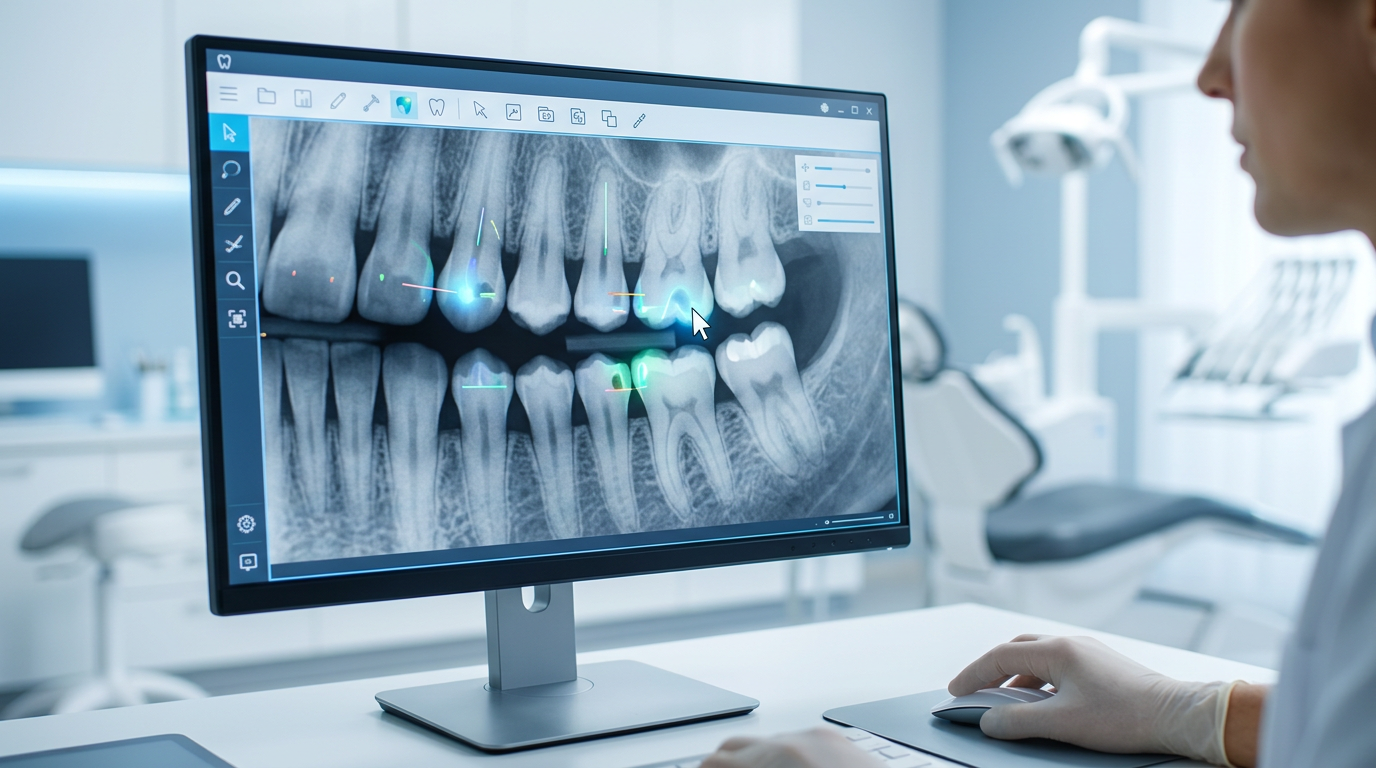
By 2026, the future of post-operative care will likely see even greater integration of AI-powered diagnostic tools assisting remote image analysis, advanced wearable sensors monitoring physiological parameters, and more sophisticated virtual or augmented reality tools enhancing the remote examination experience. Denti360, positioned at the forefront of dental technology, is uniquely suited to lead this evolution with solutions that make post-operative care more accessible, efficient, and patient-centric.
A Balanced Approach to Modern Post-Operative Care
Choosing between dental telehealth and in-office visits isn't an either/or decision. It's a strategic call based on the patient's needs, the nature of the procedure, and the clinician's judgment. Telehealth offers unmatched convenience, accessibility, and efficiency for routine monitoring and minor concerns, while the tactile examination, detailed visual assessment, and procedural capabilities of in-office visits remain indispensable for complex healing, serious complications, and direct interventions. A well-designed hybrid model lets practices harness both modalities to deliver optimal, patient-centered care that aligns with Denti360's vision. To build that workflow into your practice with integrated scheduling, records, and patient communication, request a Denti360 demo and see how a connected platform supports better recovery and stronger patient trust.