

Accelerate Insurance Claim Processing with Integrated Dental Billing Software
Dental billing software can rescue a revenue cycle that is bleeding cash through slow, error-prone insurance claims. For many practices, claim processing is the bottleneck behind delayed payments, mounting administrative work, and shrinking profitability. Integrated dental billing software solves it by connecting patient data, treatment plans, scheduling, and financial records into one seamless system, accelerating claim submission and tracking. This guide from Denti360 explores how modern dental billing software transforms your insurance claim processing for streamlined revenue and stronger practice efficiency.
Dental insurance claims are the lifeblood of many practices, yet navigating diverse policies, ever-changing codes, and complex submission requirements is daunting. Traditional, manual, or disjointed systems produce errors, resubmissions, and extended payment cycles. Integrated billing software offers a holistic approach instead, linking every part of practice management into an efficient, accelerated claim workflow.
Understanding the Challenges in Dental Insurance Claim Processing
Before the solutions, it helps to name the common hurdles practices face when processing insurance claims:
- Manual Data Entry Errors: Typing information from patient charts into claim forms is prone to human error, leading to denials or delays.
- Lack of Real-time Eligibility Verification: Treating a patient only to discover their insurance is inactive or doesn't cover the procedure leads to lost revenue and patient dissatisfaction.
- Complex Coding Requirements: Keeping up with CDT codes, modifiers, and specific payer rules is a constant challenge, and incorrect coding is a primary reason for rejections.
- Slow Submission and Tracking: Paper claims are notoriously slow, and even electronic submissions are inefficient without proper tracking.
- Inefficient Appeals Process: Denied claims require diligent follow-up and appeals, a time-consuming process if not managed systematically.
- Lack of Transparency: Without clear visibility into claim status, practices struggle to identify bottlenecks and forecast revenue accurately.
- Staff Training and Turnover: High turnover or insufficient training can disrupt claim processing workflows.
Together these challenges drain a practice's financial health and administrative resources. Integrated dental billing software addresses these pain points directly, turning potential liabilities into assets.
The Power of Integration: How Dental Billing Software Transforms Claim Processing
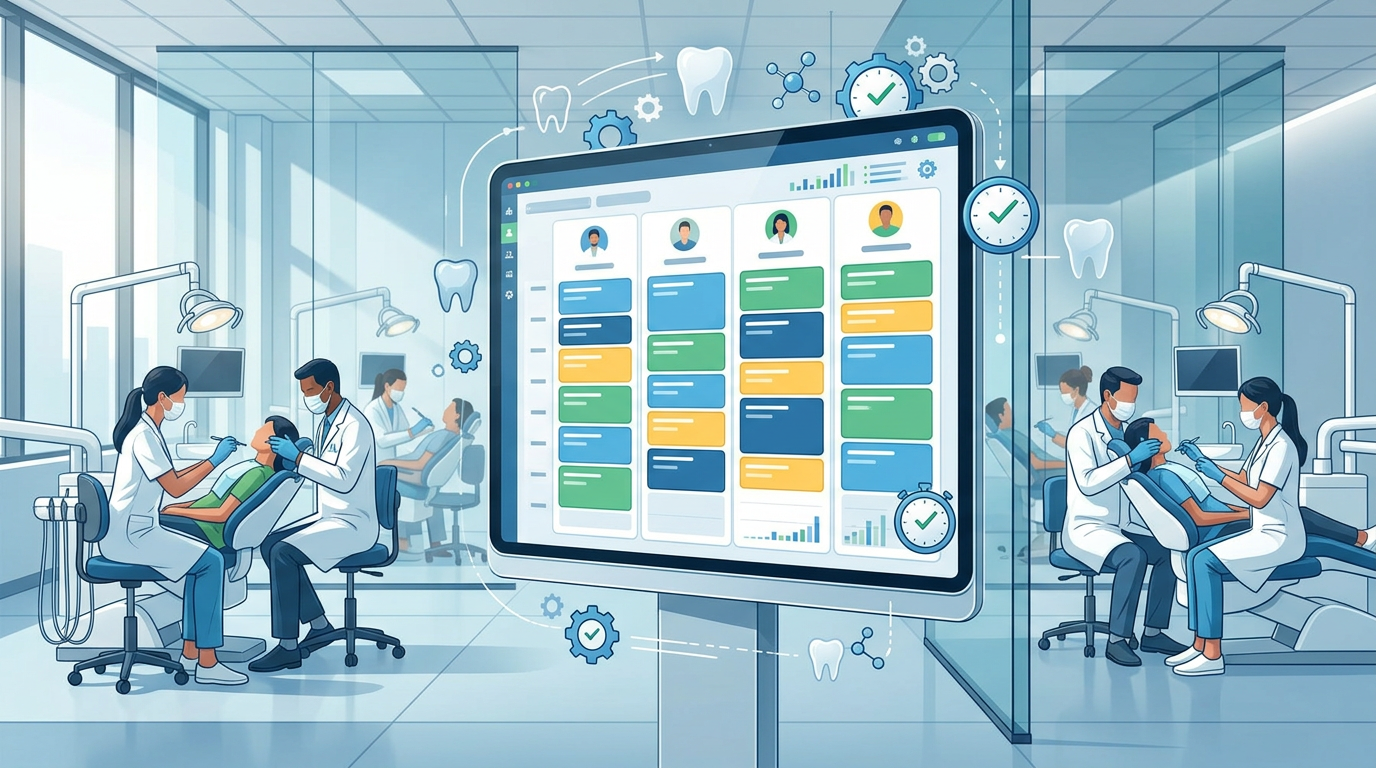
Integrated dental billing software isn't just about submitting claims; it connects patient data, treatment plans, scheduling, and financial records into a unified system. That integration is the key to accelerated processing and optimized revenue. Here's how it works.
1. Automated Patient Eligibility and Benefits Verification
One of the biggest time-savers and denial-preventers is automated eligibility verification. Integrated software lets practices:
- Verify in Real-time: Instantly check a patient's insurance status, remaining deductible, co-pays, and coverage specifics from their patient file or during scheduling, eliminating guesswork and preventing services rendered without adequate coverage.
- Reduce Surprises: For both practice and patient. Patients appreciate knowing their financial responsibility upfront, leading to higher satisfaction and better payment compliance.
- Minimize Denials: Confirming active coverage and benefits before treatment drastically reduces the risk of eligibility-based denials.
2. Streamlined Data Entry and Auto-Population
With integration, patient demographics, treatment codes, and provider information entered once into the patient management system populate claim forms automatically. This:
- Eliminates Redundancy: No re-entering the same information multiple times, saving significant administrative time.
- Reduces Errors: Automated data transfer minimizes manual transcription errors, a common cause of claim rejections.
- Ensures Consistency: Every claim form carries consistent, accurate patient and practice information.
3. Intelligent Coding and Pre-Submission Edits
Modern integrated software goes beyond data entry with intelligent coding assistance and pre-submission checks:
- CDT Code Management: Stays current with the latest CDT codes, reducing the likelihood of outdated or incorrect codes.
- Procedure-Specific Coding: Suggests appropriate codes based on the treatment planned or rendered, often linked directly to the electronic health record (EHR).
- Built-in Scrubber Functionality: Before submission, the software can 'scrub' a claim for common errors, missing information, or coding discrepancies likely to cause a denial, catching mistakes before they cost time and money.
- Attachments and Narratives: Makes it easy to attach necessary X-rays, photos, or narrative explanations directly to the electronic claim, ensuring all required documentation is submitted.
4. Electronic Claim Submission (EDI) and Automated Attachments
Electronic Data Interchange (EDI) is the cornerstone of accelerated claim processing. Integrated software enables:
- Instant Transmission: Claims are sent electronically to payers in a secure, standardized format, dramatically reducing submission time compared to paper.
- Faster Processing by Payers: Electronic claims are typically processed much faster by insurers, leading to quicker reimbursement.
- Automated Attachments: Many systems allow electronic submission of attachments such as X-rays, periodontal charting, and clinical notes, eliminating mail and further speeding the process.
- Reduced Postage and Printing Costs: A direct financial benefit that adds up over time.
5. Real-time Claim Tracking and Status Updates
Tracking submitted claims in real-time is invaluable. Integrated software provides:
- Centralized Dashboard: A single interface to view the status of all submitted claims, whether pending, approved, denied, or paid.
- Automated Alerts: Notifications for denials or requests for additional information, enabling prompt action.
- Improved Follow-up: Easy identification of claims needing follow-up, such as those nearing a payment due date or already denied.
6. Efficient Denial Management and Appeals
Denials are inevitable, but how they're managed makes all the difference. Integrated software aids in:
- Categorization of Denials: Automatically categorizes denial reasons, helping identify recurring issues and areas for improvement.
- Workflow for Appeals: Creates a structured workflow for appealing denied claims so none goes unaddressed.
- Documentation for Resubmission: Speeds the gathering of documentation needed for resubmission or appeal.
- Analytics on Denial Trends: Provides insight into common denial reasons, letting practices proactively adjust coding or submission to prevent future denials.
7. Robust Reporting and Analytics
Beyond individual claims, integrated software offers powerful reporting that gives a bird's-eye view of financial health. These insights pair naturally with broader financial tracking across the practice:
- Accounts Receivable (AR) Reports: Detailed reports on outstanding claims, aging AR, and payment trends for better forecasting and management.
- Payer Performance Analysis: Identify which insurers pay quickly, which have high denial rates, and which need more follow-up, informing preferred-provider decisions.
- Production vs. Collection Reports: Understand the gap between services rendered and payments received, highlighting areas to improve in the revenue cycle.
- Coding Trend Analysis: Insight into frequently used codes, high-value procedures, and potential coding inefficiencies.
The ROI of Integrated Dental Billing Software
Investing in integrated dental billing software delivers a compelling return on investment (ROI) across several areas:
- Increased Revenue: Faster claims mean quicker payments and improved cash flow, while reduced denials mean more claims are paid the first time.
- Reduced Administrative Costs: Less time on manual data entry, insurance phone calls, and denials frees staff for patient-focused tasks.
- Enhanced Efficiency: Streamlined workflows mean less administrative burden and a more productive team.
- Improved Patient Satisfaction: Clear communication about financial responsibilities and smoother billing leads to happier patients.
- Better Financial Clarity: Robust reporting provides insight crucial for strategic decisions and growth.
- Compliance and Risk Mitigation: Up-to-date coding and secure data handling help ensure compliance with industry regulations and reduce audit risk.
Choosing the Right Integrated Dental Billing Software for 2025 and Beyond
When selecting an integrated dental billing solution, consider the following:
- Level of Integration: How well does it integrate with your existing practice management system, EHR, and scheduling software? A truly integrated solution offers the most benefit.
- Automation Capabilities: Look for automated eligibility verification, claim scrubbing, and electronic attachments.
- User-Friendliness: The software should be intuitive for staff to learn and use, minimizing training time.
- Reporting and Analytics: Ensure it provides comprehensive, customizable reports essential for financial management.
- Customer Support: Reliable, responsive technical support is crucial for smooth operations.
- Security and Compliance: Verify the software is HIPAA compliant and uses robust data security.
- Scalability: Choose a solution that can grow with your practice.
- Payer Connections: Does it connect with a wide network of dental insurance payers?
Denti360 offers advanced integrated dental billing solutions built for the evolving needs of modern practices. Our platform streamlines your revenue cycle, accelerates claim processing, and empowers your team to focus on patient care rather than administrative tasks. Explore our full practice management features to see how billing fits the bigger picture.
Implementing and Optimizing Your Integrated Billing Software
Successfully integrating new software requires a strategic approach:
- Phased Implementation: Start with essential features and gradually roll out advanced functionality as your team grows comfortable.
- Comprehensive Training: Invest in thorough training for everyone using the software. Many vendors offer webinars, tutorials, and dedicated support.
- Establish Clear Workflows: Define new standard operating procedures (SOPs) for claim processing with the new software.
- Regular Review and Optimization: Periodically review claim processing reports, identify common denial reasons, and refine processes or coding practices with your team.
- Leverage Vendor Support: Use the support resources your vendor provides for troubleshooting and advanced features.
By following these steps, your practice can maximize the benefits of integrated dental billing software and turn your revenue cycle into a well-oiled machine.
Conclusion: A Future of Streamlined Revenue for Dental Practices
In the competitive landscape of dental healthcare, optimizing every aspect of your practice is paramount. Accelerating insurance claim processing through integrated dental billing software isn't just an operational improvement; it's a strategic imperative for financial stability and growth. By automating eligibility checks, streamlining data entry, enhancing coding accuracy, and providing real-time tracking, these solutions reduce administrative burden, minimize denials, and significantly improve cash flow.
For practices aiming to thrive in 2025 and beyond, embracing integrated dental billing technology is no longer optional but essential. It's an investment in efficiency, accuracy, and a more prosperous future. Partner with Denti360 to unlock the full potential of your revenue cycle and ensure your practice achieves streamlined financial success.