
7 Proven Strategies to Boost Patient Engagement in Your Dental Practice
Patient engagement is now one of the clearest dividing lines between a dental practice that grows and one that simply survives, because engaged patients keep appointments, accept treatment plans, and refer their friends, while disengaged ones quietly drift away. For Denti360, a leader in dental healthcare and technology, a thriving practice is built on a foundation of engaged, informed, and empowered patients. Engaged patients are more likely to adhere to treatment plans, maintain preventive care routines, refer new patients, and ultimately contribute to a healthier, more vibrant practice.
But what does 'patient engagement' really mean in a dental context, and how can your practice cultivate it? At its core, patient engagement is the active involvement of individuals in their own healthcare decisions and management. It's about shifting from a passive recipient model to one where patients are active partners in their oral health journey. This post explores seven proven strategies to significantly improve patient engagement, leveraging both traditional best practices and cutting-edge dental technology.
1. Foster Clear and Consistent Communication Channels
Effective communication is the bedrock of strong patient engagement. It's not just about informing patients; it's about creating a two-way dialogue that is empathetic, clear, and consistent. Many practices inadvertently create barriers to engagement through inadequate or confusing communication.
Implement a Multi-Channel Communication Strategy
Today's patients expect convenience and personalization, which means moving beyond phone calls and postcards. Practices should embrace a multi-channel strategy that includes:
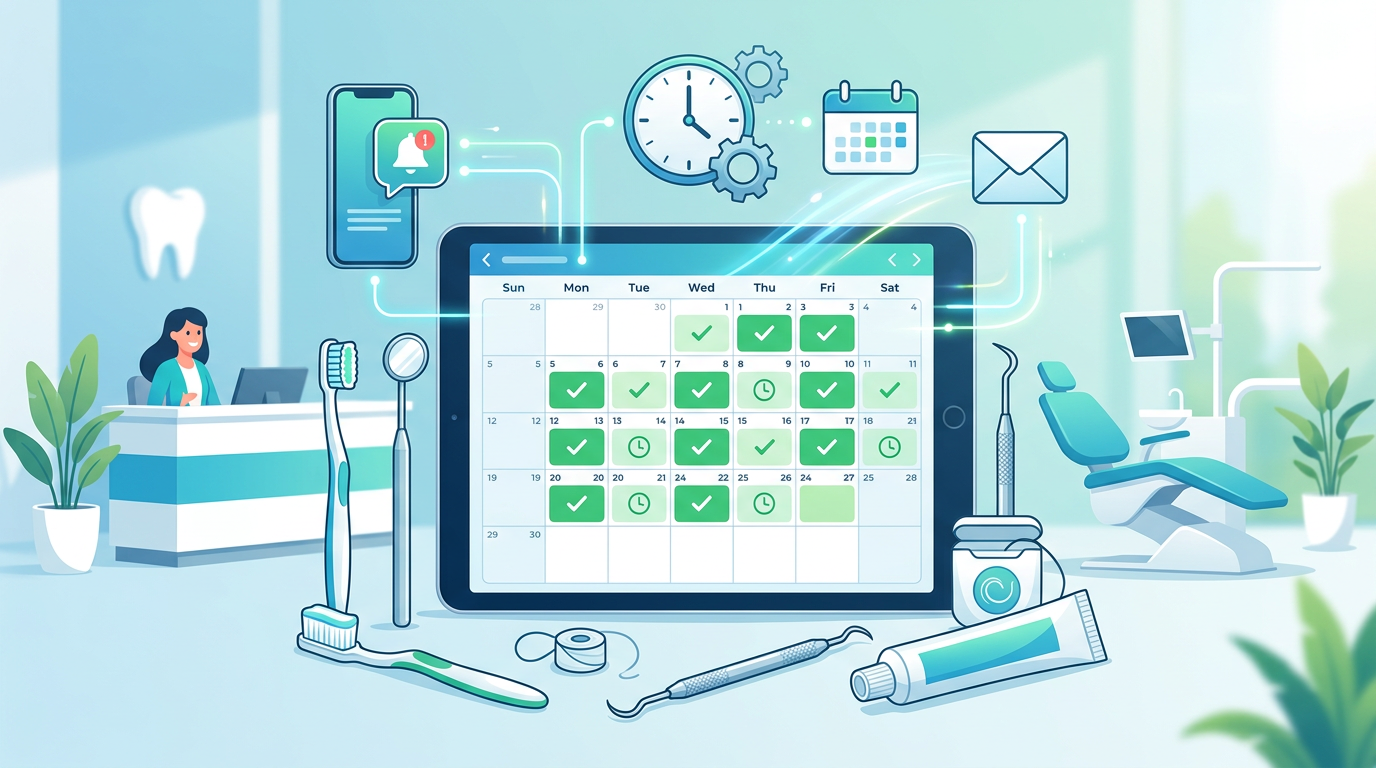
- Automated Reminders: Implement SMS, email, and app-based appointment reminders. These should be customizable, letting patients confirm, reschedule, or cancel easily. Denti360's integrated software streamlines this process, reducing no-shows and improving efficiency.
- Secure Patient Portals: Offer a secure online portal where patients can access treatment plans, billing information, appointment history, educational resources, and secure messaging with your team. This empowers patients with self-service options and transparency.
- Personalized Follow-Ups: Beyond automated messages, personal follow-up calls or messages after complex procedures demonstrate care and let patients voice concerns.
- Educational Content: Proactively share valuable oral health tips, articles, and videos through email newsletters or social media, positioning your practice as a trusted resource.
Clarity also extends to explaining diagnoses, treatment options, and financial considerations in an easy-to-understand manner. Avoid jargon, use visual aids whenever possible, and train all staff to communicate effectively and empathetically for a cohesive patient experience.
2. Empower Patients Through Education and Shared Decision-Making
An informed patient is an engaged patient. When patients understand their oral health conditions, the rationale behind recommended treatments, and the potential outcomes, they are far more likely to take ownership of their health decisions.
Provide Accessible, Understandable Information
Dental practices should prioritize patient education by:
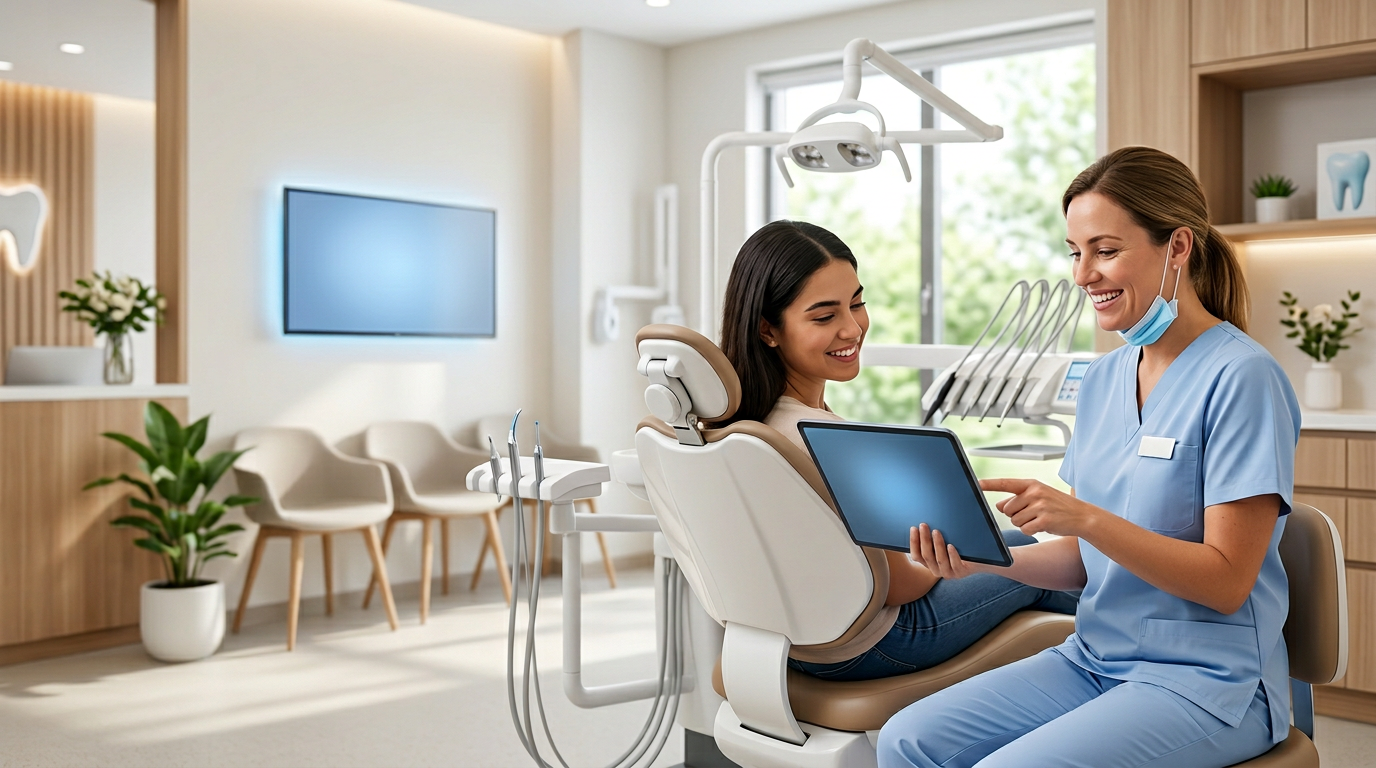
- Utilizing Visual Aids: Intraoral cameras, digital X-rays, and chairside monitors let patients see what the dentist sees. Visual explanations of cavities, gum disease, or fractured teeth are far more impactful than verbal descriptions. Denti360's imaging solutions integrate seamlessly to enhance this educational process.
- Offering Diverse Educational Resources: Provide brochures, patient education videos (in waiting rooms or on your website/portal), and links to reputable online resources, tailored to individual needs and learning styles.
- Explaining 'Why': Don't just tell patients what to do; explain why it matters. Instead of simply saying 'brush twice a day,' explain how plaque buildup leads to cavities and gum disease.
Embrace Shared Decision-Making
Shared decision-making means presenting patients with all viable treatment options, including the pros, cons, costs, and potential outcomes of each. It respects patient preferences and values, letting them collaborate with the dental team in choosing the best path forward. This approach improves patient satisfaction and boosts adherence to treatment plans, as patients feel ownership over their decisions.
3. Optimize the Patient Experience From Start to Finish
The patient experience encompasses every touchpoint, from the initial website visit to post-treatment follow-ups. A seamless, comfortable, and positive experience fosters loyalty and engagement.
Create a Welcoming, Efficient Environment
- Streamlined Onboarding: Offer online patient registration forms to reduce waiting room time. Ensure staff are friendly, welcoming, and efficient from the first call or visit.
- Comfortable Waiting Areas: Provide amenities like Wi-Fi, comfortable seating, complimentary refreshments, and engaging reading material.
- Efficient Appointment Scheduling: Minimize wait times and offer flexible options. Leverage Denti360's practice scheduling tools for optimized scheduling and reduced bottlenecks.
- Modern Technology: Invest in modern equipment and technology for improved clinical outcomes and enhanced patient comfort and perception of quality. Digital impressions, for instance, are far more comfortable than traditional methods.
- Post-Visit Experience: Provide clear post-operative instructions, ensure follow-up calls for complex procedures, and make it easy for patients to provide feedback.
Consider the entire patient journey and identify where friction or discomfort can be reduced. A smooth, professional, caring experience builds trust and encourages active participation.
4. Leverage Dental Technology for Enhanced Engagement
Dental technology is no longer just about clinical tools; it's a powerful enabler of patient engagement. Denti360 specializes in solutions that revolutionize how patients interact with your practice.
Technology-Driven Engagement Tools
- Tele-dentistry Options: For initial consultations, follow-ups, or urgent questions, tele-dentistry offers convenience and accessibility, especially for patients with mobility issues or busy schedules. This expands your reach and makes care more accessible.
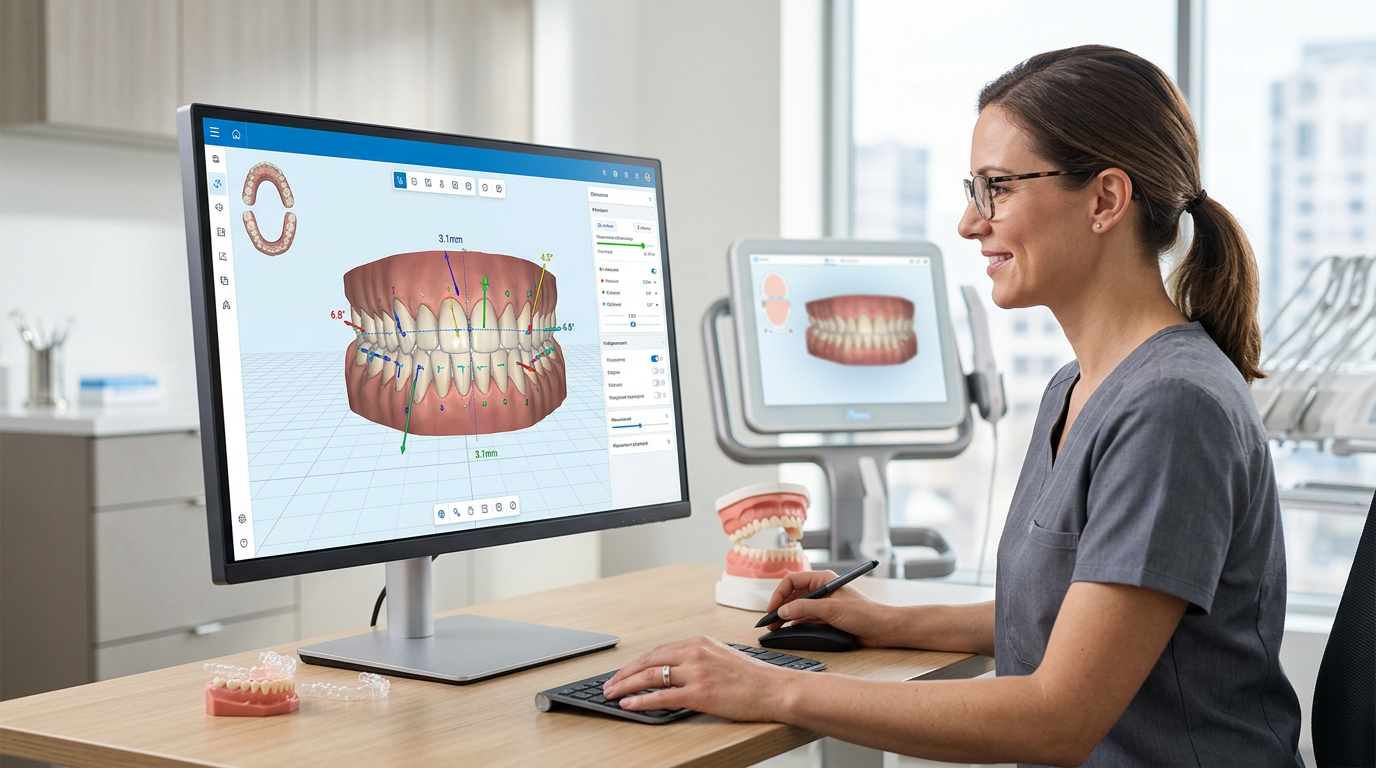
- Interactive Treatment Planning Software: Software that visually plans treatments and shows patients simulated outcomes (e.g., orthodontic simulations) dramatically increases understanding and acceptance.
- Digital Payment Solutions: Offer convenient payment options, including online payments, payment plans, and insurance portal integration. Transparency and ease of payment reduce patient stress.
- Patient Feedback Platforms: Use online surveys or in-office kiosks to gather real-time feedback. This shows you value patient opinions and provides insights for continuous improvement.
Adopting these technologies modernizes your practice and caters to the digital expectations of contemporary patients, making their interactions more convenient and engaging.
5. Personalize the Patient Journey
In an era of personalized experiences across all industries, healthcare is no exception. Treating each patient as an individual with unique needs, preferences, and concerns is paramount to deep engagement.
Strategies for Personalization
- Remembering Details: Small gestures, like recalling a patient's profession, hobbies, or family details from previous visits, make a significant impact. Denti360's robust patient management software can store such notes for easy access by your team.
- Tailored Treatment Plans: Move beyond one-size-fits-all approaches. Discuss treatment options that align with a patient's lifestyle, budget, and long-term goals.
- Customized Communication: Segment your patient communications. For example, send targeted educational content to patients with specific conditions (e.g., gum disease awareness for periodontal patients) or age groups.
- Cultural Sensitivity: Be mindful of cultural backgrounds and language preferences. Offer information in multiple languages if applicable to your patient demographic.
Personalization builds rapport, trust, and a sense of being truly cared for, all powerful drivers of patient engagement and loyalty.
6. Build a Culture of Empathy and Trust
No amount of technology or efficiency can replace genuine human connection. Empathy and trust are the cornerstones of any successful healthcare relationship.
Cultivate a Patient-Centric Culture
- Active Listening: Train staff to actively listen to patient concerns, fears, and questions without interruption, ensuring patients feel heard and understood.
- Compassionate Care: For many, dental visits evoke anxiety. A compassionate approach, characterized by gentle care, reassurance, and patience, significantly improves the experience and reduces fear.
- Transparency: Be transparent about treatment options, costs, and potential risks. Avoid overselling procedures or making false promises. Honesty builds trust.
- Team Training: Regularly train your entire team, from front desk staff to hygienists and dentists, on patient communication skills, empathy, and service excellence. A united, empathetic team creates a consistent positive experience.
When patients feel safe, respected, and understood, they are far more likely to engage openly, follow advice, and remain loyal. This cultural shift permeates every interaction and is felt by every patient.
7. Implement a Robust Feedback and Review System
Listening to your patients is fundamental to engagement. A well-structured feedback and review system provides invaluable insights for improvement and shows patients that their opinions matter.
Collect and Act on Feedback
- Surveys: Implement short, easy-to-complete satisfaction surveys after appointments, digital (email or tablet-based) or paper-based.
- Online Reviews: Actively encourage patients to leave reviews on platforms like Google, Yelp, and your social media pages. Provide clear instructions and links. Positive reviews serve as powerful social proof, while negative ones offer opportunities for public response and resolution.
- Direct Feedback Channels: Ensure there's an easy way for patients to voice concerns directly to practice management, whether a suggestion box, a dedicated email address, or a specific staff member.
- Regular Review and Action: Most importantly, regularly review feedback and take concrete steps to address common issues. Communicate these changes to your patients. For example, if many mention long wait times, implementing Denti360's scheduling optimization tools and communicating the change shows you listen and act.
By actively soliciting and responding to feedback, your practice demonstrates a commitment to continuous improvement and patient satisfaction, reinforcing engagement and building a stronger community around your practice.
Conclusion: The Engaged Patient, The Thriving Practice
Patient engagement is not merely a buzzword; it's a strategic imperative for modern dental practices. By focusing on clear communication, patient education, optimized experiences, technology, personalization, trust, and acting on feedback, practices can transform passive recipients of care into active partners in their oral health journeys.
Denti360 is committed to equipping dental professionals with the tools and insights to achieve these goals. Our comprehensive suite of dental healthcare and technology solutions supports every aspect of your patient engagement strategy, from practice management and digital imaging to patient communication and educational platforms. Investing in patient engagement is an investment in the long-term health of your patients and the sustainable growth of your practice. Start today by exploring the full Denti360 feature set, or talk to our team to build an engagement strategy that helps your practice flourish in 2025 and beyond.