
5 Strategies to Improve At-Home Oral Hygiene Compliance
Patient compliance with at-home oral hygiene is the cornerstone of long-term dental health, and it is also one of the hardest things for any practice to influence. In-office treatments and professional cleanings matter, but the daily habits patients keep or skip between visits ultimately decide the health of their teeth and gums. High compliance is not only about better treatment outcomes; it builds a culture of preventive care, strengthens patient relationships, and reduces recurring issues like caries and periodontal disease. At Denti360, we know that bridging the gap between clinical advice and patient action is a persistent challenge, and this guide explores five actionable strategies dental professionals can use to significantly boost at-home compliance.
The implications of poor compliance are far-reaching. Patients who consistently neglect recommended care experience accelerated plaque accumulation, leading to gingivitis, periodontitis, and dental caries. That means more invasive, costly treatments later and a real impact on systemic health. Studies consistently link oral health to conditions such as cardiovascular disease, diabetes, and even adverse pregnancy outcomes. Empowering patients to take an active role in daily oral hygiene is therefore a critical component of holistic health management. Let's look at proven methods to turn patient apathy into proactive participation.
1. Personalize and Simplify Your Instructions
A major reason for non-compliance is the one-size-fits-all approach to patient education. Every patient is unique, with different levels of oral health literacy, manual dexterity, motivation, and lifestyle constraints. A generic instruction like “brush twice a day” is often insufficient. To truly engage patients, instructions must be personalized and simple.
Assess Individual Needs and Learning Styles
Before issuing instructions, understand your patient. Are they visual learners who benefit from demonstrations and diagrams, or do they prefer detailed verbal explanations? Assess their current routine and identify specific areas to improve. A patient with limited dexterity might struggle with traditional flossing, so interdental brushes or water flossers may suit them better. A parent might need strategies for motivating a child, while an elderly patient might need guidance on managing dry mouth or fixed prostheses.
Use Clear, Jargon-Free Language
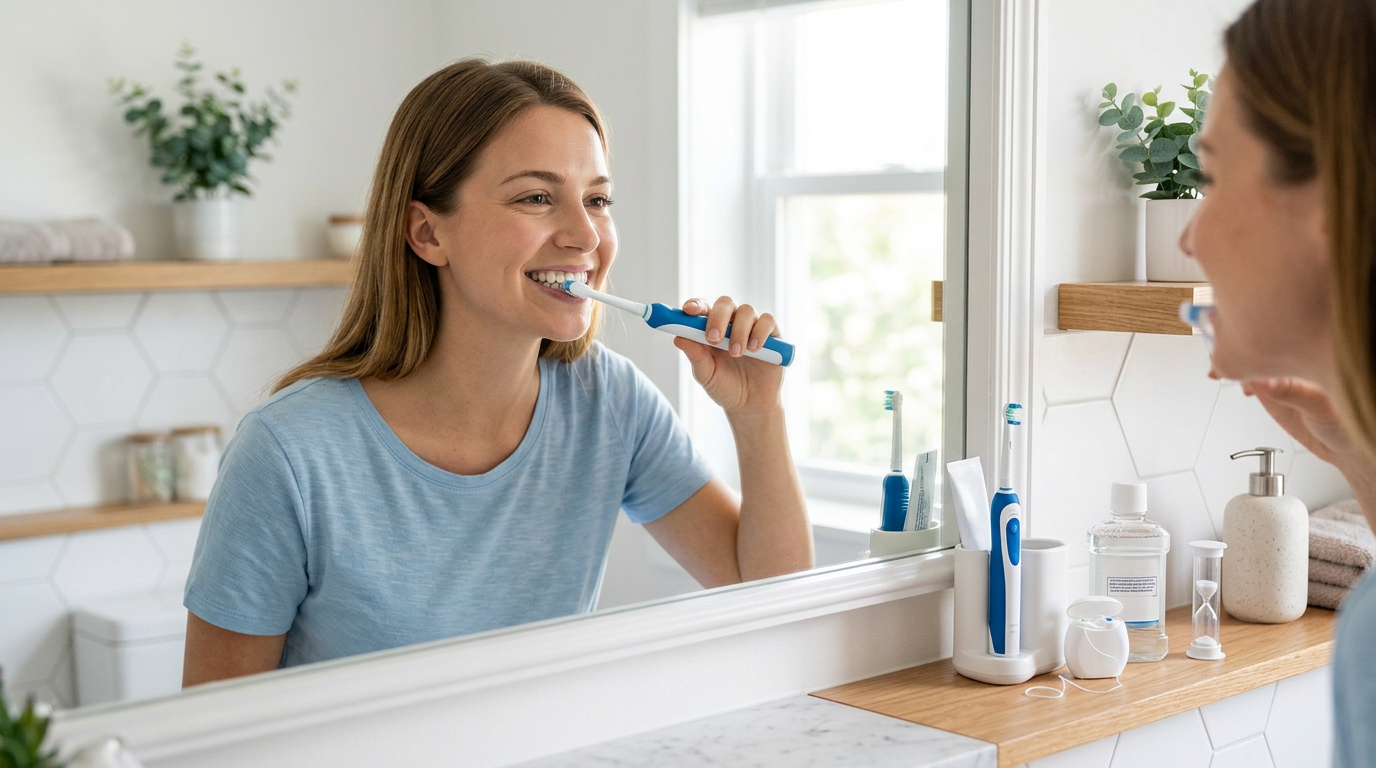
Dental terminology, while standard in the profession, can intimidate and confuse patients. When explaining brushing techniques, flossing, or specific aids, avoid jargon. Instead of “interproximal cleaning,” say “cleaning between your teeth.” Break complex instructions into simple, actionable steps. Rather than “implement effective plaque removal,” demonstrate and explain “brush your teeth gently in small circular motions for two minutes, covering all surfaces.”
Leverage Visual Aids and Hands-On Demonstrations
Seeing is believing, and doing is learning. Anatomical models, intraoral cameras, and instructional videos significantly enhance understanding. Showing a patient their own plaque buildup with an intraoral camera and then demonstrating correct technique on their teeth or a model is incredibly impactful. Let patients practice in front of you with a toothbrush and floss so you can give immediate feedback. This hands-on approach builds confidence and corrects improper techniques on the spot. Denti360's digital patient management tools provide a rich library of visual content that makes personalization easier and more engaging.
Provide Written Summaries and Digital Resources
Patients often forget details once they leave. Provide clear, concise written summaries of key instructions, such as printed cards or pamphlets, and lean on digital resources too. Email follow-ups with links to customized instructional videos, infographics, or articles on your practice's website (powered by Denti360's integrated communication platforms) serve as invaluable reminders. This lets patients review information at their own pace, reinforcing the message.
2. Use Technology for Engagement and Reminders
In the 2025 digital age, technology offers unparalleled opportunities to engage patients and reinforce at-home care. Moving beyond traditional methods, digital tools make compliance more convenient, interactive, and even fun.
Patient Portals and Mobile Apps
Implement a secure patient portal or custom mobile app where patients access personalized treatment plans, view instructional videos, read oral health articles, and track progress. These platforms can send push notifications for daily brushing and flossing reminders, medication schedules, and upcoming appointments. Gamification, such as earning points for consistent tracking or hitting milestones, further boosts engagement, especially for younger or tech-savvy patients. Denti360 solutions integrate seamlessly with existing practice management software to offer robust patient portal functionality.
Automated Reminders and Educational Content
Use automated email and SMS systems for timely reminders. Beyond appointment confirmations, these can send post-treatment follow-ups (for example, “Remember to brush gently around your new filling for the next few days”) or regular prompts for daily hygiene. Messages can include links to educational content such as a short flossing video or an article on the benefits of fluoride toothpaste. Automated systems ensure consistent communication without burdening staff.
Smart Oral Hygiene Devices
The market for smart toothbrushes and water flossers is expanding rapidly. These devices connect to smartphone apps that provide real-time feedback on technique, coverage, and duration, track habits over time, and offer personalized coaching. Recommending and even demonstrating these devices can be a powerful motivator. Practices can partner with manufacturers or share where to buy them, positioning themselves as leaders in adopting advanced dental technology for patient benefit.
Telehealth and Virtual Follow-Ups
For scenarios like post-surgical care or monitoring adherence to specific protocols, virtual follow-up appointments can be highly effective. A quick video call lets the dental professional assess progress, answer questions, and provide encouragement without the patient traveling to the office. This reduces barriers to follow-up and reinforces ongoing care, especially for patients with mobility issues or busy schedules. Denti360's integrated telehealth platforms facilitate these virtual interactions seamlessly.
3. Emphasize the “Why”: Educate on Benefits and Consequences
People comply more readily when they understand the rationale. Simply telling a patient what to do is less effective than explaining why it matters and what non-compliance can cost them.
Connect Oral Health to Overall Health
Many patients still see oral health as separate from general well-being. Educate them on the strong links between oral hygiene and systemic conditions, explaining how untreated gum disease can worsen diabetes, increase heart disease risk, or affect pregnancy outcomes. Use compelling analogies or real-life examples (without violating privacy) to illustrate the connection, such as “Think of your mouth as the gateway to your body; what happens here can affect everything else.” This broader perspective elevates daily care beyond just preventing cavities.
Focus on Tangible Benefits
Highlight immediate and long-term benefits that resonate with the patient. For some it is fresher breath and a brighter smile; for others, preventing painful cavities, avoiding costly treatments, or keeping their natural teeth for life. If a patient is concerned about bad breath, explain how consistent flossing and brushing remove odor-causing bacteria. After a significant procedure, emphasize how proper at-home care protects the longevity of that investment.
Illustrate the Consequences of Non-Compliance
While keeping a positive tone, gently and clearly explain the potential outcomes of neglecting care. Use X-rays or intraoral images to show existing decay or gum inflammation and explain how these conditions progress without intervention. Describe the discomfort, expense, and invasiveness of treatments that may become necessary if prevention is ignored: “Without proper brushing and flossing, this small area of gingivitis could progress to periodontitis, which might eventually lead to tooth loss.” A clear picture of consequences is a powerful motivator.
Tailor the Message to Patient Values
Understand what truly matters to your patient, whether appearance, saving money, avoiding pain, or setting an example for their children. Frame benefits and consequences to align with those values. A parent might be motivated by teaching their children good habits, while a young professional might prioritize a confident smile for career advancement. Active listening during consultations reveals these underlying motivators.
4. Build Strong Patient-Provider Relationships
A strong, trusting relationship between patient and dental team is a powerful, often underestimated driver of compliance. Patients are more likely to follow advice from someone they trust, respect, and feel genuinely cares about their well-being.
Foster Empathy and Active Listening
Take time to listen to patients' concerns, fears, and challenges around oral health, and acknowledge their difficulties with empathy. If a patient admits they struggle to floss daily, instead of judging, ask “What makes flossing challenging for you?” This opens a dialogue to understand barriers and find solutions together. Patients feel valued and understood when their perspectives are heard.
Be Encouraging and Non-Judgmental
Avoid condescending or critical language. Even when a patient has poor hygiene, focus on constructive feedback and encouragement, and celebrate small victories: “I see a noticeable improvement in your gum health since your last visit, keep up the great work!” Positive reinforcement is far more effective than shame in driving long-term behavioral change.
Ensure Consistency Across the Dental Team
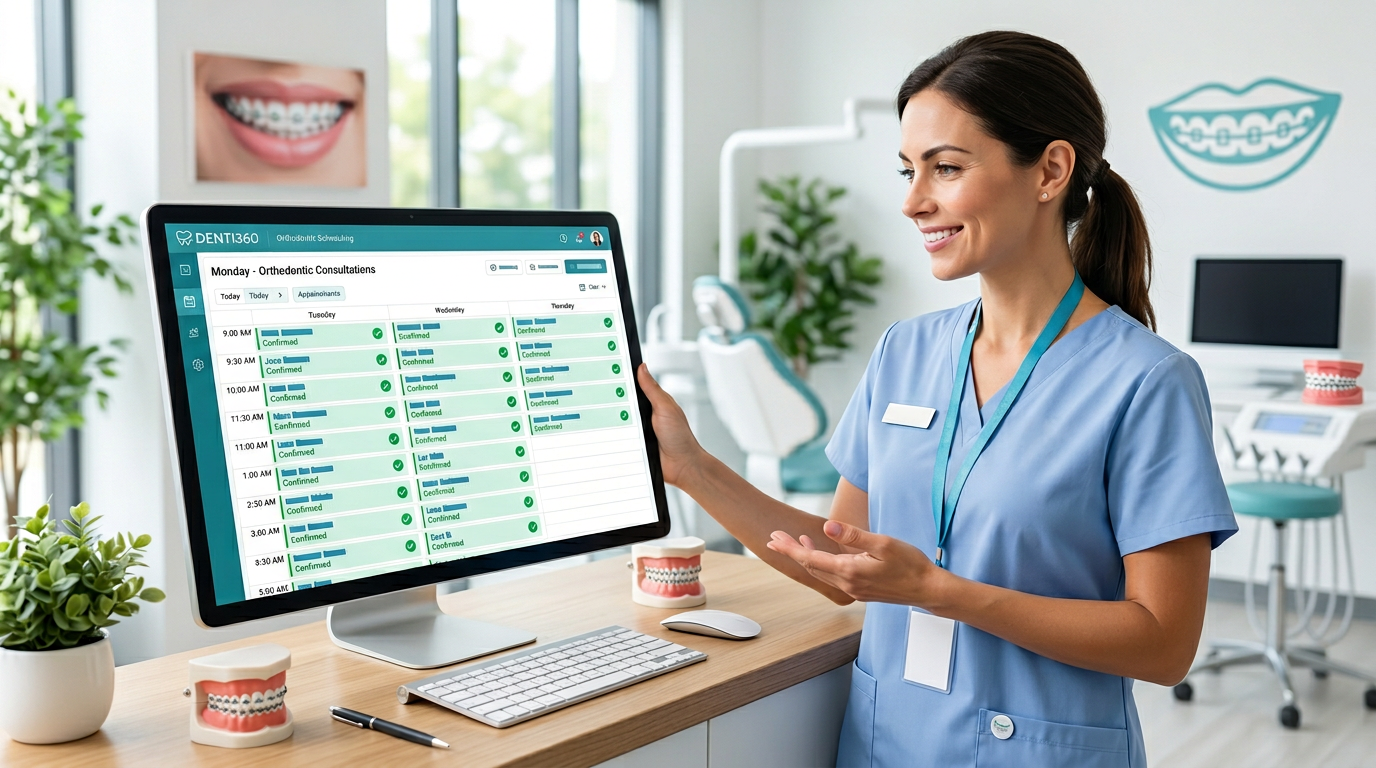
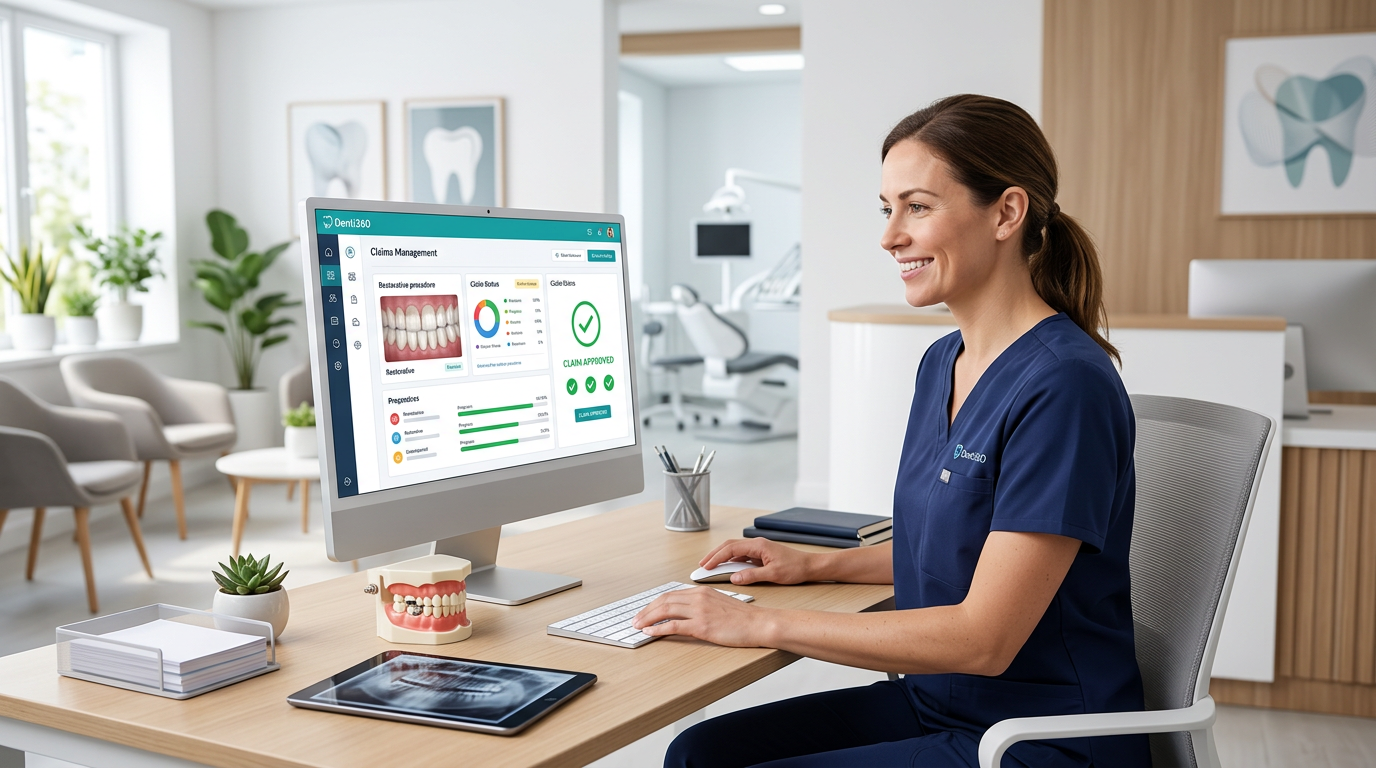
Every team member, from receptionist to hygienist to dentist, should convey consistent messages about the importance of at-home care. Conflicting advice confuses patients and undermines trust. Regular team meetings to align on patient education protocols and communication strategies ensure a unified approach, so patients hear the same clear, encouraging message from everyone. Consistent, role-based access to patient information across your team supports this shared understanding.
Schedule Regular Recalls and Follow-Ups
Consistent, proactive follow-up is crucial. Regular recall appointments provide professional cleanings and exams while serving as touchpoints to review and reinforce at-home instructions. Use these visits to assess compliance, address new concerns, and modify recommendations. A simple call or message from the hygienist a few weeks after an appointment significantly boosts perceived care and loyalty. Denti360's recall management systems automate and optimize this critical aspect of care.
5. Offer Accessible, Convenient Oral Hygiene Aids
Even a motivated patient can struggle if they lack easy access to the right tools. Making recommended aids readily available removes a significant barrier to adherence.
Stock a Range of Recommended Products
Consider stocking a small selection of high-quality toothbrushes (manual and electric), dental floss, interdental brushes, mouth rinses, and specialized toothpastes in your practice. This lets patients immediately buy the exact products you recommend, removing the need to search elsewhere and settle for less effective alternatives or nothing at all. Ensure products are competitively priced and clearly displayed.
Provide Samples and Demonstrators
Offering free samples of floss, toothpaste, or interdental brushes encourages patients to try products they might otherwise hesitate to buy. Demonstrator models of electric toothbrushes or water flossers that patients can interact with make a real difference in their willingness to invest. A quick demonstration of an electric toothbrush's power or a water flosser's ease of use can convert a hesitant patient into a compliant one.
Educate on Proper Usage of Specific Aids
Recommending a product is not enough; patients need to know how to use it correctly. Demonstrate the proper angle for an interdental brush or the technique for using a water flosser effectively, and explain why a particular fluoride toothpaste is recommended over a regular one. This returns to personalization: ensure the aid matches their specific needs and that they understand its benefits and application.
Offer Resources for Purchase and Information
If your practice does not stock specific items, give patients clear information on where to buy them, such as printouts with product names and images, links to reputable online retailers, or QR codes that lead directly to product pages. Keep the information up to date and easy to follow. Denti360's digital platforms can host these resources, making them easily accessible from patients' homes.
A Holistic Approach to Sustained Oral Health
Achieving optimal at-home compliance is not a single action but a continuous, multifaceted process. It blends personalized education, technological integration, empathetic communication, and convenient access to essential tools. By personalizing and simplifying instructions, leveraging technology for engagement, emphasizing the “why” behind recommendations, building strong patient-provider relationships, and offering accessible hygiene aids, practices can significantly empower patients to participate in their own oral health journey.
The benefits extend far beyond individual outcomes to healthier communities, reduced strain on dental healthcare systems, and a more fulfilling, prevention-focused practice. Denti360 is committed to supporting dental professionals with innovative solutions for effective patient education, communication, and engagement. Connect with Denti360 to see how our tools can boost compliance, and explore more practical guidance on our dental practice blog. Invest in these strategies today and watch your patients, and your practice, thrive well into 2025 and beyond.