

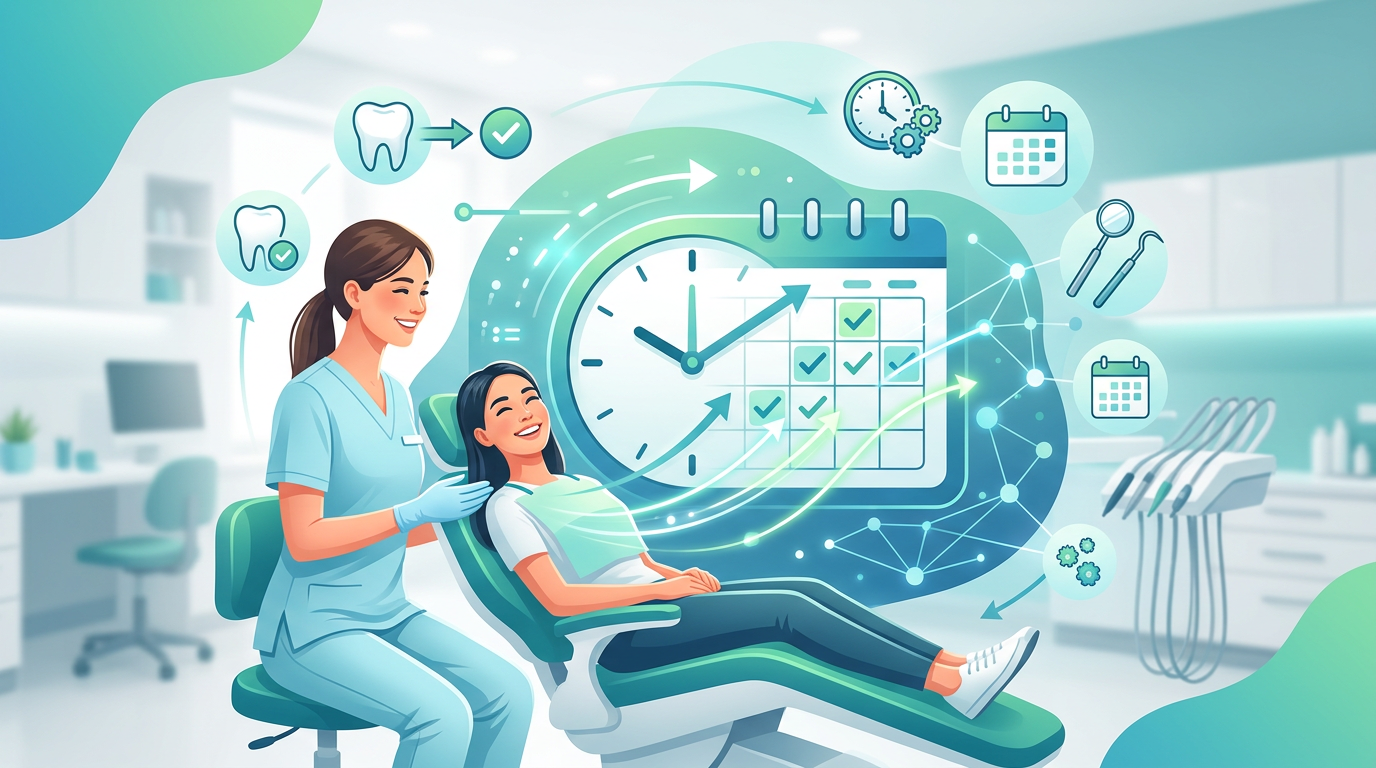
Dental Scheduling Strategies to Reduce Hygiene Appointment No-Show Rates
Dental scheduling breaks down fastest at the hygiene chair, where no-show appointments quietly drain recurring revenue, waste valuable chair time, and disrupt the carefully planned patient flow that keeps a practice running. No-shows are a persistent challenge for dental practices worldwide, and for hygiene appointments in particular, high no-show rates can significantly impact profitability and the ability to deliver consistent preventative care. Denti360 understands the critical importance of an optimized schedule and robust patient engagement. In this comprehensive guide, we delve into advanced strategies and technological solutions to help dental practices drastically reduce no-show rates for hygiene appointments, ensuring a more efficient, profitable, and patient-centric operation.
The Financial and Operational Impact of Hygiene Appointment No-Shows
Before exploring solutions, it's crucial to grasp the full extent of the problem. Hygiene appointments are the backbone of preventative dentistry and a primary driver of recurring revenue. When a patient misses a hygiene appointment, the immediate impact includes:
- Lost Revenue: The direct income from the missed appointment is gone. Depending on the practice, this can range from $100-$250 per missed hygiene slot.
- Wasted Chair Time: A valuable resource, the hygienist's time and the operatory, sits idle, when it could have been used to serve another patient.
- Reduced Productivity: Hygienists may experience gaps in their schedule, leading to underutilization of their skills and potential burnout due to inconsistent flow.
- Disrupted Patient Flow: Unfilled slots throw off the day's carefully planned schedule, potentially impacting subsequent appointments if staff are reallocated or left waiting.
- Delayed Patient Care: Patients missing preventative appointments are at higher risk for developing more serious oral health issues, leading to more complex and costly treatments later.
- Impact on Referrals: A practice struggling with scheduling inefficiencies might inadvertently create a perception of disorganization, affecting patient satisfaction and word-of-mouth referrals.
- Increased Administrative Burden: Staff spend considerable time chasing missed appointments, rescheduling, and attempting to fill last-minute openings, diverting resources from other essential tasks.
For a busy practice with multiple hygienists, even a modest no-show rate can translate into tens of thousands of dollars in lost revenue annually. Addressing this issue isn't just about efficiency; it's about safeguarding the practice's financial health and ensuring optimal patient care.
Understanding Why Patients Miss Hygiene Appointments
Effective solutions stem from a deep understanding of the root causes. Patients miss hygiene appointments for a variety of reasons, which can broadly be categorized as:
- Forgetfulness: This is perhaps the most common reason. Life gets busy, and without proper reminders, appointments can slip from memory.
- Conflicting Commitments: Work, family obligations, or other appointments often take precedence, especially if the dental appointment was booked months in advance.
- Anxiety/Fear: Dental anxiety remains a significant barrier for many patients, leading them to avoid or postpone appointments, particularly if they anticipate discomfort.
- Financial Constraints: While hygiene appointments are often covered by insurance, some patients may face out-of-pocket costs or feel financial strain, leading them to prioritize other expenses.
- Lack of Perceived Value: Some patients may not fully understand the importance of regular preventative care, viewing hygiene appointments as optional rather than essential.
- Logistical Issues: Transportation problems, childcare difficulties, or difficulty taking time off work can prevent patients from attending.
- Poor Communication: Unclear instructions, insufficient reminders, or difficulty contacting the practice can contribute to missed appointments.
- Overbooking by Patients: Some patients may double-book appointments, intending to cancel one, but forget or fail to do so in time.
By identifying these underlying reasons, practices can tailor their strategies to address specific vulnerabilities.
Strategy 1: Optimizing the Initial Scheduling Process
The foundation of reducing no-shows begins at the moment an appointment is booked.
A. Strategic Booking Practices
- Book at the Chair: The most effective way to ensure a recall appointment is booked is to do it before the patient leaves the operatory. While the patient is still in the dental mindset, the hygienist can emphasize the importance of the next visit and help them find a convenient time.
- Offer Flexible Scheduling Options: Provide a range of appointment times, including early mornings, late evenings, and potentially weekends, to accommodate diverse patient schedules.
- Online Scheduling Portals: Implement a secure online portal that allows patients to view available slots and book their own hygiene appointments. This empowers patients and caters to those who prefer digital interactions. Denti360's integrated appointment scheduling tools can seamlessly provide this functionality.
- Educate on Importance: During booking, reinforce the benefits of regular hygiene. A brief explanation of how preventative care saves money and prevents future problems can increase perceived value.
- Confirm Contact Information: Always double-check and verify preferred contact methods (phone, email, text) at the time of booking to ensure all future communications reach the patient.
B. Clear Appointment Policies
- Communicate No-Show/Cancellation Policies Clearly: From the outset, ensure patients understand the practice's policy regarding cancellations and no-shows. This should be explained verbally, provided in writing (such as new patient forms and the website), and reiterated in appointment reminders.
- Consider Cancellation Fees (with caution): While controversial, a cancellation fee for repeated no-shows can be a deterrent. If implemented, it must be communicated very clearly and applied consistently and fairly. Many practices opt for a 'three-strikes' policy before considering fees or dismissal.
Strategy 2: Leveraging Technology for Proactive Reminders and Engagement
Modern dental practice management software, like Denti360's offerings, provides invaluable tools for automated communication and patient engagement.
A. Multi-Channel, Automated Reminders
A multi-pronged approach is far more effective than relying on a single reminder type.
- Text Message (SMS) Reminders: These have the highest open rates and are often preferred by patients for their convenience and immediacy. Send a series of texts: one upon booking, one 7-10 days out, one 2-3 days out, and a final reminder 24 hours prior. Include an option for patients to confirm, reschedule, or cancel directly via text.
- Email Reminders: Provide more detailed information than texts, such as directions, parking instructions, and any necessary pre-appointment forms. Emails can be sent further in advance (for example, two weeks out) and again a few days prior.
- Automated Phone Calls (IVR): While less personal, automated calls can be effective, especially for older demographics or those who may not regularly check texts or emails. These should allow for confirmation or options to connect to a staff member.
- Personalized Phone Calls: For high-value appointments or patients with a history of no-shows, a personal call from a front office team member 48-72 hours before the appointment can make a significant difference. This allows for direct conversation, addressing concerns, and reaffirming the appointment.
Key for Reminders: Ensure all reminders include the date, time, practice name, and a clear call to action (for example, "Reply Y to confirm" or "Click here to reschedule").
B. Two-Way Communication and Online Portals
- Patient Portals: Beyond scheduling, a robust patient portal allows patients to access their appointment history, view treatment plans, make payments, and communicate securely with the practice. This centralizes information and supports streamlined patient management that empowers patients.
- Two-Way Text Messaging: Allow patients to reply to reminder texts with questions or requests to reschedule directly. This reduces the friction of having to call during business hours.
Strategy 3: Enhancing Patient Relationships and Perceived Value
A strong patient-practice relationship and a clear understanding of hygiene's value can significantly boost attendance.
A. Educate and Engage
- Empower the Hygienist: Hygienists are key educators. They should explain the 'why' behind preventative care, connecting regular cleanings to overall health, preventing gum disease, and avoiding more complex procedures.
- Visual Aids: Use intraoral cameras, educational videos, and chairside monitors to show patients their oral health status and the benefits of maintaining it. A patient who sees plaque buildup or early signs of gingivitis is more likely to value their next cleaning.
- Personalized Communication: Refer to past conversations, dental concerns, or even personal interests during appointments and follow-ups. This builds rapport and makes patients feel valued.
B. Building Rapport and Trust
- Friendly and Welcoming Environment: A positive patient experience from the moment they walk in the door reduces anxiety and increases the likelihood of adherence.
- Address Anxiety: For anxious patients, offer strategies like sedation options, breaks during procedures, or simply a compassionate ear. Acknowledging their fears can prevent them from cancelling.
- Follow-Up After Treatment: A quick call or text after a more extensive hygiene procedure (such as scaling and root planing) to check on the patient's comfort reinforces care and commitment.
Strategy 4: Proactive Management of the Schedule
Even with the best strategies, some no-shows will occur. The key is to minimize their impact.
A. Implementing a 'Standby' or 'Waitlist' System
- Automated Waitlists: Utilize your dental software to maintain a list of patients who want an earlier appointment or can come in last-minute. When a cancellation occurs, the system can automatically text or email patients on the waitlist, offering the open slot. Denti360 systems often include this advanced functionality.
- Manual Hot List: For smaller practices, a manual 'hot list' of flexible patients kept at the front desk can be effective for filling last-minute openings with a quick phone call.
B. Strategic Appointment Overbooking (with caution)
Some practices strategically overbook by 1-2 patients per hygienist per day, especially if they have a historically high no-show rate. This is a delicate balance and requires careful analysis of historical data to avoid double-booking and patient frustration. It is best used sparingly and with a robust system for managing cancellations and confirmations.
C. Analyzing No-Show Patterns
- Track Data: Regularly analyze your no-show data. Are certain days or times more prone to no-shows? Are specific patient segments (such as new patients or certain age groups) more likely to miss appointments?
- Identify Frequent Offenders: Keep a record of patients who frequently miss appointments. For these patients, consider asking for pre-payment for future appointments, offering limited booking windows, or even dismissing them from the practice if patterns persist and impact others.
Strategy 5: Staff Training and Empowerment
Technology is only as good as the people who use it.
- Comprehensive Training: Ensure all front office staff are thoroughly trained on the scheduling software, reminder systems, and communication protocols.
- Role-Playing: Practice how to handle common objections, explain policies, and effectively communicate the value of hygiene appointments.
- Empowerment: Give staff the tools and autonomy to make decisions regarding scheduling adjustments, within established guidelines, to quickly fill openings or address patient concerns.
- Team Collaboration: Foster a culture where hygienists, dentists, and administrative staff work together to reinforce the importance of recall and ensure a smooth patient experience.
Measuring Success and Continuous Improvement
Reducing no-show rates is an ongoing process that requires continuous monitoring and adaptation. Regularly review your key performance indicators (KPIs):
- No-Show Rate: Calculate this weekly and monthly. (Number of No-Shows / Total Scheduled Appointments) x 100.
- Confirmation Rate: What percentage of patients confirm their appointments?
- Fill Rate for Cancellations: How quickly are cancelled slots being filled?
Utilize reporting features within your Denti360 practice management system to track these metrics. Experiment with different reminder timings, communication channels, or policy adjustments, and analyze the impact. What works for one practice might need slight adjustments for another.
Achieve Scheduling Excellence with Denti360
Optimizing dental scheduling to reduce hygiene appointment no-show rates is not a one-size-fits-all solution but rather a multi-faceted approach. It combines strategic initial booking, advanced technological reminders, genuine patient engagement, proactive schedule management, and well-trained staff. By implementing these strategies, dental practices can transform their scheduling efficiency, significantly reduce lost revenue, enhance patient satisfaction, and ensure consistent, high-quality preventative care. Denti360 is committed to providing dental professionals with the innovative tools and insights necessary to achieve scheduling excellence and thrive in the ever-evolving dental landscape. To see how our scheduling and reminder features can drive your no-show rates down in 2025 and beyond, explore the full Denti360 platform and request a personalized demo.