
Reduce Dental No-Shows: The Costly Challenge Automated Scheduling Software Solves
Dental no-shows quietly drain thousands of dollars from your practice every year, and automated scheduling software is the most effective way to stop the bleeding. Dental practices of every size and specialization grapple with this challenge, and when patients fail to attend their scheduled appointments without prior notice, the repercussions extend far beyond an empty chair. No-shows disrupt the carefully crafted daily schedule, leading to significant revenue loss, inefficient resource allocation, and reduced productivity for the entire dental team. Consider the ripple effect: a hygienist with a vacant slot, a dentist's time unutilized, and potential patients unable to secure an earlier appointment because of a booked-but-missed slot. Some estimates suggest no-shows cost practices thousands of dollars annually, not to mention the operational headaches and the erosion of team morale.
In today's fast-paced world, patient compliance can be challenging. Patients may forget appointments, face unexpected conflicts, or simply fail to communicate changes effectively. Traditional manual reminder systems, while well-intentioned, often fall short in effectiveness and demand significant administrative time. This is where modern dental technology steps in, offering powerful solutions that transform this perennial problem into an opportunity for improved efficiency and enhanced patient care. Automated scheduling software, in particular, has emerged as a game-changer, providing a sophisticated, multi-faceted approach that dramatically reduces no-show rates.
Understanding the Root Causes of Dental No-Shows
Before reaching for solutions, understand why patients miss appointments. Identifying the underlying reasons lets you target your strategy. Common causes include:
- Forgetfulness: The most frequent cause. Patients have busy lives, and a dental appointment can simply slip their mind amid other commitments.
- Scheduling Conflicts: Work, family emergencies, or overlapping appointments arise suddenly, making attendance impossible.
- Lack of Perceived Urgency: For routine check-ups or painless procedures, patients may deprioritize the visit when something more pressing comes up.
- Anxiety or Fear: Dental phobia is real and can lead patients to cancel last minute or simply not show.
- Communication Gaps: Patients may not receive or understand reminders, or struggle to reschedule due to inconvenient hours or phone wait times.
- Financial Concerns: Unexpected costs or insurance confusion can lead patients to avoid appointments. Scheduling software won't solve this directly, but better communication channels help address it proactively.
- Logistical Issues: Transportation problems, childcare difficulties, or misjudged travel time all cause missed appointments.
These factors underscore the need for a comprehensive, patient-centric approach. Automated scheduling software addresses many of them with consistent, timely, convenient communication that empowers patients to own their oral health commitments.
How Automated Scheduling Software Reduces No-Shows
Automated scheduling software is not merely a digital calendar; it is a comprehensive practice management tool designed to streamline the entire patient journey, from initial booking to post-appointment follow-up. Its capabilities are particularly potent in the realm of no-show reduction. Here's how it works.
1. Robust Automated Reminders and Confirmations
The cornerstone of no-show reduction lies in effective reminders, and automation takes this to an entirely new level, surpassing the limitations of manual phone calls. It lets practices:
- Multi-Channel Communication: Send reminders via SMS, email, and automated voice calls, matching patient preferences and increasing the odds the reminder is seen.
- Customizable Timing: Schedule reminders at optimal intervals—two weeks out for a heads-up, a few days before for detail, and a final confirmation the day prior. This staggered approach helps patients prepare and react.
- Personalized Messaging: Include specific details (date, time, dentist, reason for visit), contact information, and links to pre-appointment forms or directions.
- Two-Way Communication: Let patients confirm, reschedule, or cancel directly from the message (for example, “Reply ‘C’ to confirm, ‘R’ to reschedule”). This immediate feedback helps practices fill cancellations promptly.
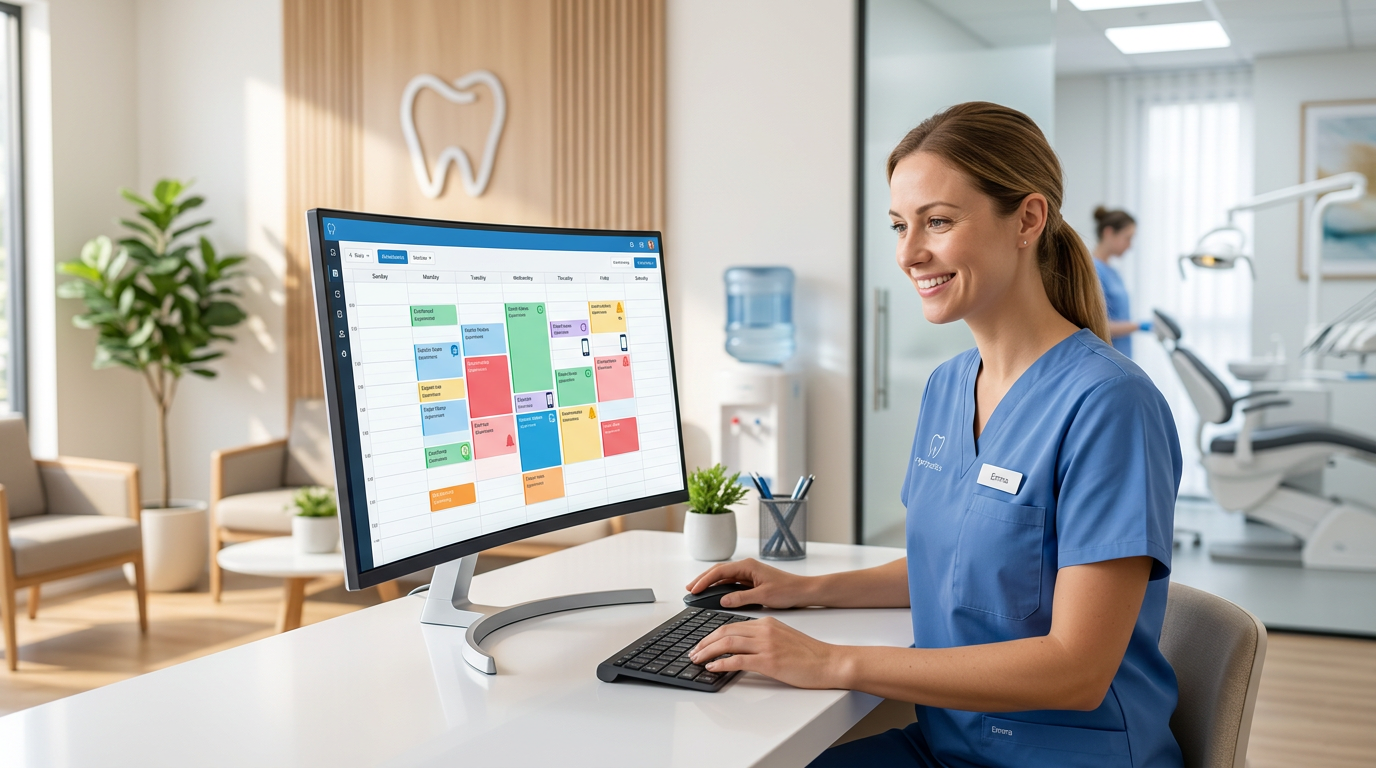
This systematic, pervasive reminder system mitigates forgetfulness and gives patients multiple chances to confirm or adjust. Denti360's automated appointment scheduling brings these reminders together in one workflow.
2. Convenient Online Booking and Rescheduling
One of the most powerful features is 24/7 online booking and rescheduling, which addresses several no-show culprits:
- Patient Convenience: Patients book or change appointments anytime, on any device, outside office hours—removing the need to call during business hours and reducing the chance they simply give up.
- Reduced Phone Tag: Staff are freed from constant scheduling calls to focus on in-office care and other critical tasks.
- Self-Service Empowerment: Letting patients manage their own appointments fosters responsibility and engagement. When they need to reschedule, they can—rather than just missing the visit.
- Real-time Availability: The portal shows real-time availability, so patients book only genuinely open slots, preventing double bookings and improving efficiency.
3. Intelligent Waitlist Management
Even with the best reminders, cancellations happen. Automated software turns them into opportunities through intelligent waitlist management:
- Automated Notifications: When a slot opens, the system automatically notifies waitlisted patients seeking an earlier appointment.
- Quick Fill-ins: Waitlisted patients can claim the slot, often within minutes, drastically reducing idle chair time.
- Optimized Scheduling: The practice keeps a full schedule, maximizing revenue and patient access even amid last-minute changes.
4. Streamlined Patient Intake and Communication
Beyond scheduling, automation enhances overall communication, which indirectly lowers no-show rates:
- Digital Forms: Pre-appointment forms such as medical history and consent forms can be sent and completed online before the visit. This saves time in the waiting room, reduces anxiety, and ensures patients arrive prepared, making them less likely to cancel due to perceived inconvenience.
- Educational Content: Automated systems can deliver pre-appointment instructions or educational materials relevant to the upcoming procedure, enhancing understanding and reducing anxiety. Informed patients are often more committed to their appointments.
- Post-Appointment Follow-ups: Automated follow-up messages can confirm the next appointment, provide after-care instructions, or prompt patients to schedule their next recall, reinforcing the importance of ongoing dental care.
5. Data Analytics and Insights
Modern platforms include powerful analytics:
- Identify Patterns: Track no-show rates by day, time, provider, or patient segment to inform future scheduling and targeted interventions.
- Patient-Specific Histories: Flag patients with a no-show history so staff can apply more intensive reminders or require pre-payment.
- Performance Monitoring: Monitor the effectiveness of different reminder types and timing for continuous optimization.
These insights transform reactive problem-solving into proactive strategic planning, enabling practices to continually fine-tune their approach to no-show prevention.
Best Practices for Implementing Automated Scheduling Software
Adopting automated scheduling software is a strategic investment that requires careful planning and execution to maximize its benefits. Here are the key best practices for successful implementation.
1. Choose the Right Software for Your Practice
Not all software is equal. Consider your practice's needs, size, and existing management system. Look for:
- Integration Capabilities: Seamless integration with your current practice management software to avoid data silos and manual entry.
- Customization: Ability to tailor reminder messages, timing, and channels to your brand and patient demographics.
- User-Friendliness: Intuitive for both staff and patients to encourage adoption.
- Security and Compliance: HIPAA compliance is non-negotiable for protecting patient data.
- Support and Training: Reliable support and thorough training resources for smooth adoption.
- Scalability: A solution that grows with your practice.
2. Communicate with Your Patients
Introduce the system proactively. Inform patients about the new reminders and online booking, and explain the benefits—convenience, fewer missed appointments, better access. Share this on your website, in your waiting room, and during booking.
3. Train Your Team Thoroughly
Ensure every team member understands how to use the software, from front-desk staff managing patient inquiries to clinical staff who might utilize aspects of the patient portal. Proper training empowers staff to troubleshoot minor issues and confidently explain the system to patients.
4. Customize Reminder Settings
Experiment with different reminder timings and message content to find what works best for your patient base. Some practices might find a 3-day, 1-day, and 2-hour reminder sequence effective, while others prefer a different cadence. A/B test messages to see which ones yield the highest confirmation rates.
5. Leverage Two-Way Communication
Actively encourage patients to confirm, reschedule, or cancel via the automated system. Train your staff on how to respond to these automated replies and efficiently manage any follow-up actions, such as filling a newly opened slot from the waitlist.
6. Monitor and Optimize
Regularly review the data and analytics provided by the software. Identify trends in no-shows or cancellations—are certain days worse than others, or are particular procedures more prone to no-shows? Use this data to continually refine your strategy, perhaps adjusting staffing or reminder frequency for specific appointment types.
7. Develop a No-Show Policy
While automated software significantly reduces no-shows, it won't eliminate them entirely. Supplement the technology with a clear, consistently enforced no-show and cancellation policy. Communicate this policy clearly to patients on your website, during booking, and in reminder messages. This helps set expectations and holds patients accountable.
Long-Term Benefits Beyond No-Show Reduction
While reducing no-shows is the primary goal, the benefits ripple across the entire practice:
- Increased Revenue: Fewer no-shows mean more filled appointments and higher revenue. Efficient waitlist management further maximizes the schedule's earning potential.
- Improved Operational Efficiency: Staff spend less time on manual reminders and scheduling calls, freeing them for higher-value work and boosting productivity.
- Enhanced Patient Experience: Patients appreciate online booking, self-service, and timely, personalized reminders, driving satisfaction and loyalty.
- Better Patient Engagement: Automated communication strengthens connections, reminding patients of their oral health priorities and helping them stay compliant.
- Reduced Staff Burnout: Less administrative burden and fewer frustrating no-shows create a more positive work environment.
- Competitive Advantage: Practices using cutting-edge scheduling software appear modern and patient-centric, an edge in attracting and retaining patients.
- Data-Driven Decision Making: Analytics provide invaluable insight into operations and patient behavior for informed growth decisions.
By investing in automated scheduling software, Denti360-enabled practices aren't just solving a problem—they're transforming their operating model to be more resilient, efficient, and patient-focused. Explore the wider benefits of running your practice on Denti360 to see how the pieces fit together.
Conclusion: Embracing a Future of Fewer No-Shows
Dental no-shows are a significant drain on resources, productivity, and profitability worldwide. Sophisticated automated scheduling software offers a powerful, comprehensive answer. With multi-channel reminders, 24/7 online booking, intelligent waitlist management, and insightful analytics, practices can dramatically cut no-show rates, ensuring fuller schedules and optimized resource use.
This is a strategic move beyond mere problem-solving: it elevates the patient experience, empowers administrative staff, and provides data for continuous improvement. For forward-thinking practices, automated scheduling means maximized efficiency, stronger engagement, and a steady focus on exceptional oral healthcare. Ready to make the shift? Talk to the Denti360 team to see how our automated scheduling can give your practice, your team, and your patients a smoother, more reliable appointment process.