

5 Proven Strategies to Boost Periodontal Maintenance Compliance
Periodontal maintenance compliance is where many promising treatment outcomes quietly fall apart: a patient completes active therapy, then drifts off schedule and the disease returns. Periodontal disease, a chronic inflammatory condition affecting the supporting structures of the teeth, remains a significant public health challenge. While initial active periodontal therapy (APT) is crucial for halting progression, long-term success hinges almost entirely on consistent, effective periodontal maintenance therapy (PMT). For dedicated patients, those committed to their oral health but still struggling with the specifics of PMT, optimizing compliance is paramount. Non-compliance leads to recurrence, progression, and ultimately tooth loss, undermining the investment of time, effort, and resources from both patient and dental team. At Denti360, we know enhancing engagement and adherence depends on robust communication, education, and patient-centric strategy. This guide explores five proven ways to boost compliance, tailored for the dedicated dental patient, so they receive the full benefit of ongoing care.
1. Personalize Education and Risk Assessment, Beyond Generic Advice
While all patients receive some education, dedicated patients benefit most from a highly personalized approach that goes beyond generic brochures. These patients are receptive to information but may lack a deep understanding of their specific risk factors and how PMT addresses them.
Tailored Risk Factor Identification and Explanation
Begin with a thorough, transparent risk assessment that goes beyond noting pocket depths and bleeding on probing. Using visual aids, explain how factors like immune response, genetic predispositions, systemic conditions (such as diabetes and cardiovascular disease), smoking, stress, and certain medications affect periodontal health. Use intraoral cameras and chairside monitors to show areas of concern in the patient's own mouth. Pointing out inflamed gingiva around a specific tooth and explaining it as a direct result of biofilm their home care is not fully addressing creates a powerful, personalized connection.
Visual Aids and Interactive Tools
Denti360 emphasizes leveraging dental technology. Instead of just describing bone loss, use radiographs to show it. Share before-and-after images of successful PMT cases (with patient consent) or use 3D models to illustrate healthy versus diseased periodontium. Interactive apps or patient portals can deliver customized content, including videos on brushing, interdental cleaning, and the rationale behind recall intervals. Dedicated patients appreciate the scientific basis of their treatment, and seeing is believing. Offer digital resources they can access at home to reinforce in-office education.
Connecting Oral Health to Systemic Health
Dedicated patients are often health-conscious. Emphasize the well-established bidirectional link between periodontal disease and systemic conditions, explaining how chronic oral inflammation can exacerbate diabetes, raise cardiovascular risk, or affect pregnancy outcomes. Frame PMT not just as preserving teeth but as an integral part of overall health management. This broader perspective enhances motivation and turns PMT from a chore into a vital health investment.
2. Optimize Recall Scheduling and Appointment Reminders
Even the most dedicated patient can overlook an appointment or struggle to fit PMT into a busy life. Proactive, personalized, persistent communication around scheduling is essential.
Individualized Recall Intervals
Avoid a blanket recall schedule. While three-month recall is common for PMT, adjust it to the patient's risk factors, disease stability, and home care efficacy, and explain the rationale. A patient with well-controlled periodontitis but a high plaque index from dexterity issues might need a shorter recall (every 2 months) plus more frequent oral hygiene instruction, while a patient with stable periodontium and excellent home care might extend to four months under careful monitoring. Engaging patients in this decision fosters ownership and accountability.
Multi-Channel, Personalized Reminders
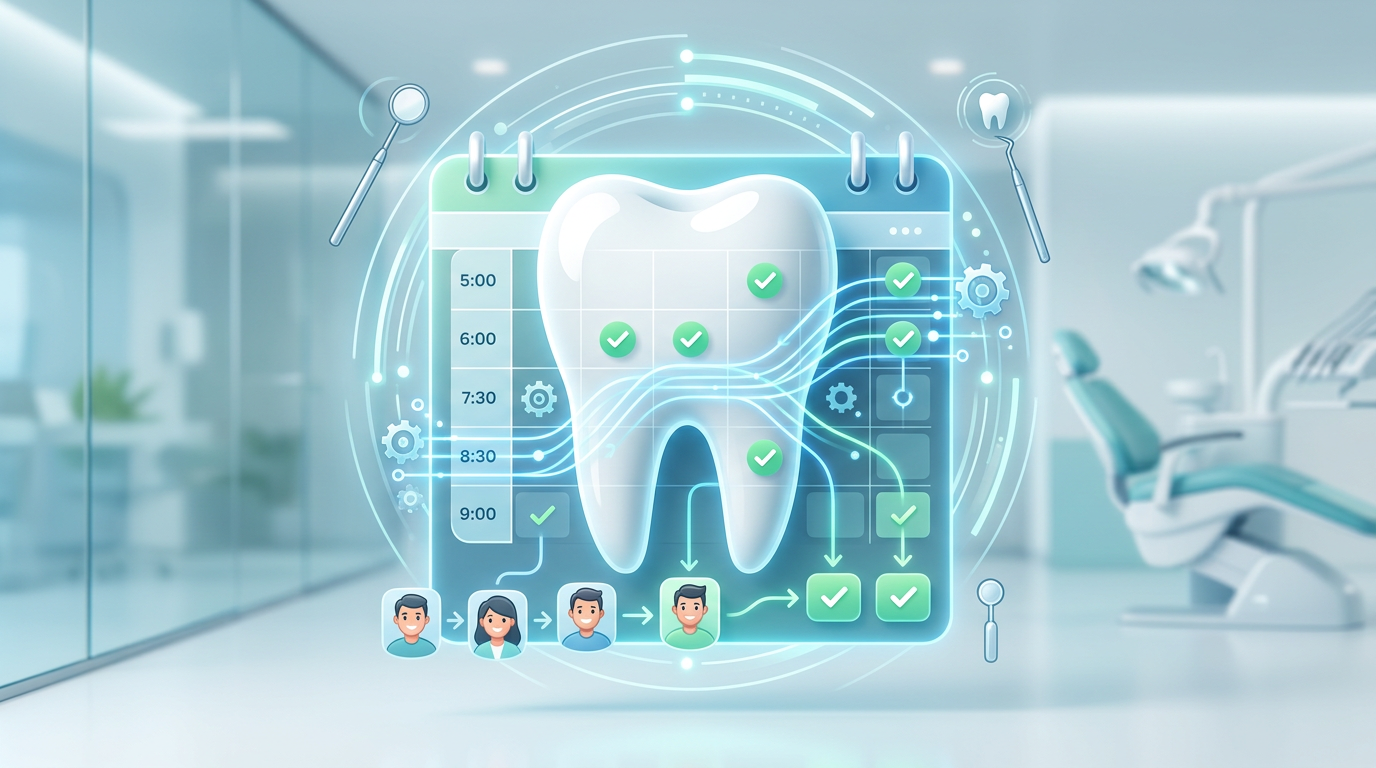
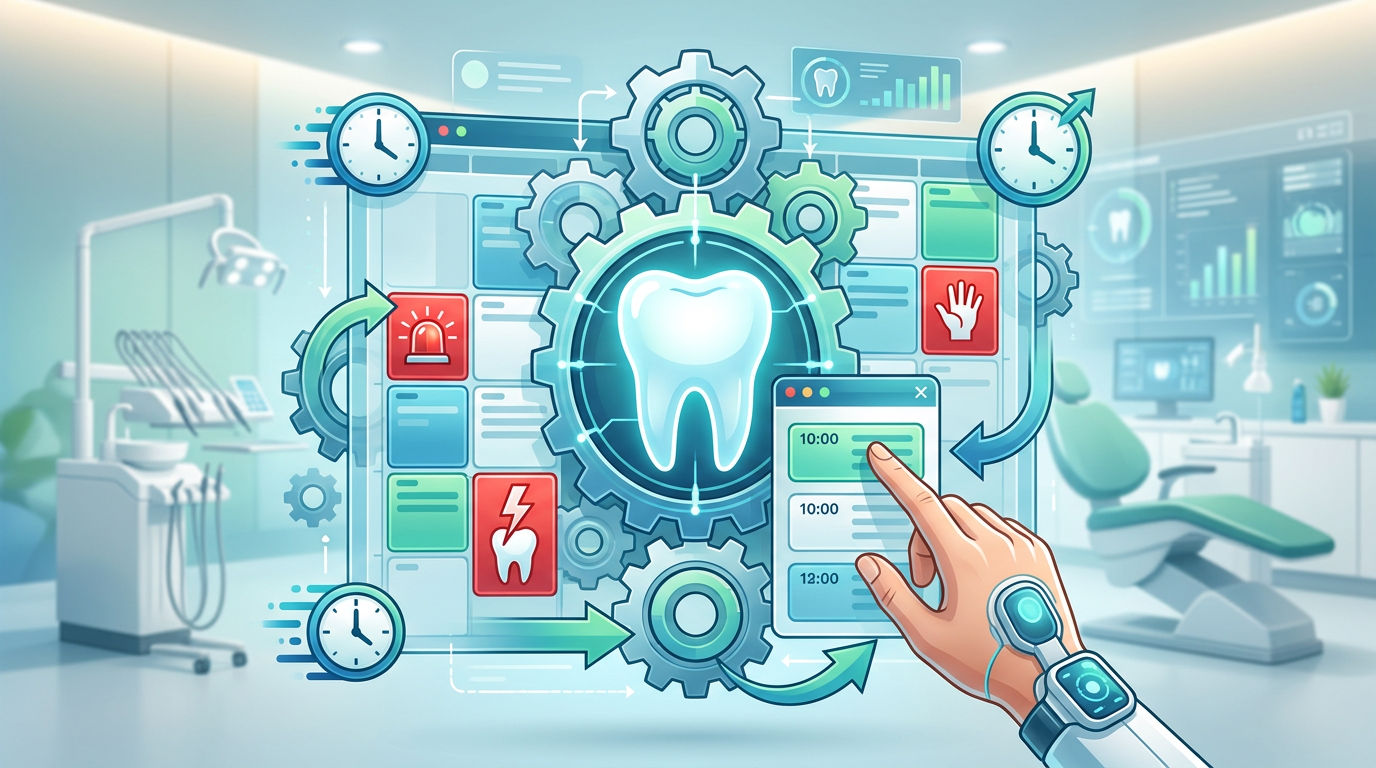
Leverage Denti360's advanced communication platforms to run a multi-channel reminder system spanning text, email, and automated calls, and let patients choose their preferred method. Personalize messages with the patient's name and the specific purpose of the visit, such as a periodontal maintenance appointment. For dedicated patients, a personal touch like a brief phone call a few days before is highly effective, offering a chance to address questions or concerns. This kind of proactive appointment scheduling keeps recall on track.
Flexible Scheduling Options
Life happens, so offer flexible options including early morning, late afternoon, or Saturday appointments if your practice allows. Provide an online scheduling portal where patients can easily view, book, or reschedule slots. Demonstrating flexibility builds immense goodwill and reduces cancellations and no-shows. Consider a waitlist system for earlier appointments when slots open.
3. Empower Through Home Care Education and Product Recommendations
Excellent home care is the cornerstone of successful periodontal maintenance. Dedicated patients are willing to put in the effort but may lack the precise knowledge or tools to be truly effective.
Demonstrate, Do Not Just Tell
Hands-on demonstrations are invaluable. Rather than explaining brushing technique, have the patient demonstrate their current routine for the hygienist or dentist and give immediate, constructive feedback. Use models or intraoral cameras to show how to angle the toothbrush, use interdental brushes or floss, and clean hard-to-reach areas. Repeat these demonstrations at subsequent appointments to reinforce correct habits.
Personalized Oral Hygiene Aids
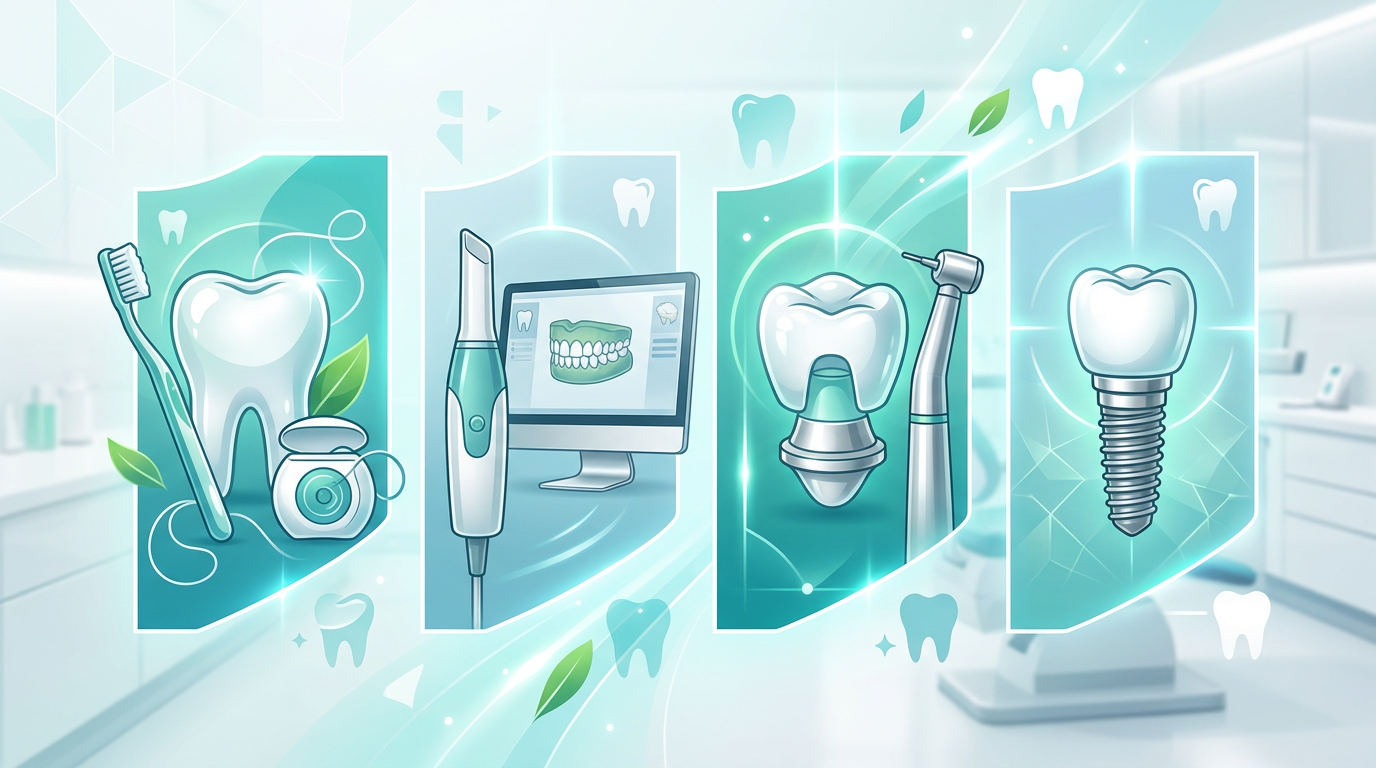
Recommend specific aids tailored to the patient's needs and dexterity, such as electric toothbrushes (oscillating-rotating or sonic), water flossers, appropriately sized interdental brushes, specialized rinses (chlorhexidine gluconate for short-term use, or fluoride rinses), or tongue scrapers. Explain why each product is recommended and demonstrate its proper use. A patient with recession might benefit from a soft-bristled electric toothbrush, while someone with large interdental spaces might find interdental brushes more effective than floss.
Simplify the Regimen and Address Barriers
For dedicated patients, too many steps or products can feel overwhelming. Work with them to simplify the routine without compromising efficacy. If a patient struggles with traditional flossing, explore water flossers or floss picks. Address common barriers such as time constraints, dexterity issues (for elderly patients or those with arthritis), or cost. Offer samples or note where to buy recommended products, and reinforce that even small, consistent efforts yield significant benefits.
4. Foster a Collaborative Partnership With the Patient
Turning the patient from a passive recipient into an active partner significantly boosts compliance, especially for dedicated patients who value being involved in their care.
Shared Decision-Making
Involve the patient in goal setting and treatment planning. Discuss preferences, concerns, and expectations. When discussing a recall interval, explain the clinical recommendation but also ask how the frequency fits their lifestyle. When recommending a new hygiene aid, weigh the pros and cons together. Patients who feel heard and valued are more likely to commit to the agreed plan.
Positive Reinforcement and Progress Tracking
Dedicated patients are often motivated by progress. Provide consistent positive reinforcement, in-office and at home, and use objective measures to track progress: show improvements in bleeding scores, pocket depth reduction, or plaque index. Visual charts or digital dashboards accessible via a patient portal illustrate the journey and celebrate success. Showing a patient how their gingival inflammation score dropped over two PMT appointments is a powerful motivator.
Open Communication and Feedback Loop
Encourage patients to voice concerns, ask questions, and give feedback at any time. Create an environment where they comfortably admit difficulties with home care or scheduling, and have the team listen without judgment. Implement a system, perhaps secure messaging on a patient portal, for easy communication between appointments. This ongoing dialogue identifies and addresses issues promptly, keeping minor lapses from becoming major setbacks.
5. Leverage Technology for Engagement and Accountability
Modern dental technology offers unparalleled opportunities to enhance engagement, streamline communication, and provide resources that support compliance. Denti360 is at the forefront of these innovations.
Patient Portals and Mobile Apps
Implement a robust patient portal or dedicated mobile app as a centralized hub where patients can:
- Access their treatment plan and progress reports
- Review personalized educational content such as videos and articles
- View appointment history and schedule future appointments
- Receive customized reminders and notifications
- Communicate securely with the dental team
- Access financial information and pay bills
For dedicated patients, having all their dental information at hand and managing aspects of care independently empowers them and reinforces commitment. Strong patient management tools keep this information organized and accessible for the whole team.
Remote Monitoring and Telehealth Opportunities
Explore remote monitoring where appropriate. While not a replacement for in-office PMT, certain aspects of home care or initial assessment of flare-ups can be supported by telehealth consultations. A patient could send photos of a concerning area or have a quick virtual check-in to review brushing technique. In the future, perhaps by 2026, AI-powered tools might even help monitor home oral hygiene adherence through smartphone camera analysis, offering real-time feedback and extending the dental team's reach beyond the clinic.
Gamification and Rewards Programs
For dedicated patients who enjoy challenges and recognition, consider gamification or a rewards program: earning points for consistent home care, attending all scheduled PMT appointments, or referring new patients. Points could be redeemed for discounts on professional whitening, oral hygiene products, or gift cards. Not suitable for everyone, but for some it adds extra motivation and fun to the oral health journey.
Conclusion: A Holistic Approach to Sustained Periodontal Health
Boosting periodontal maintenance compliance in dedicated patients requires a multifaceted, patient-centric approach. It moves beyond simply providing information toward personalization, proactive communication, empowerment through education and tools, collaborative partnership, and the strategic integration of advanced technology. By applying these five strategies, personalized education and risk assessment, optimized recall scheduling and reminders, empowering home care education and product recommendations, fostering a collaborative partnership, and leveraging technology for engagement and accountability, practices can significantly improve adherence. This drives better clinical outcomes, preserving teeth and systemic health, while strengthening the patient-provider relationship and cultivating long-term loyalty. At Denti360, our mission is to equip dental professionals with the knowledge and tools to reach these higher standards. Explore the practice benefits that make sustained compliance achievable, or connect with our team to see how Denti360 can help every dedicated patient maintain optimal periodontal health for years to come.