
The Costly Challenge of Dental Patient No-Shows
Automated dental scheduling software has become the most effective way to reduce patient no-shows, the single problem that quietly drains revenue and stability from busy practices. You know the scene: a prepped operatory, a hygienist standing by, and an empty chair where a patient should be. A no-show is never just an empty chair. It means lost revenue, wasted staff time, a disrupted workflow, and a missed chance to deliver essential care. For many practices, no-shows account for 5% to 15% of all scheduled appointments, a steady leak of income and resources that adds up fast.
Consider the full cumulative cost. Every missed appointment forfeits not only the income from that specific procedure but also the overhead of the prepared operatory, the hygienist's or assistant's allocated time, and the dentist's idle moments. Beyond the immediate financial hit, no-shows leave gaps in the schedule that other waiting patients could have filled. That inefficiency stretches wait times for appointments, frustrates patients, and can quietly push them toward competitors. A high no-show rate even demoralizes staff, who invest real time and effort preparing for each patient only to see that effort go unused.
The traditional defenses against no-shows, manual phone calls, postcard reminders, and basic email systems, simply fall short in today's digital, fast-moving world. Patients are buried in information and messages, and a single simple reminder rarely cuts through the noise. This is exactly where modern dental technology, specifically automated dental scheduling software, becomes an indispensable solution. By leveraging smart automation, practices can rethink appointment scheduling from end to end, cut no-shows sharply, and build a more reliable, patient-centric system that patients actually trust.
Understanding the Root Causes of Patient No-Shows
Before choosing a solution, it helps to understand why patients miss appointments. No-shows are rarely deliberate. More often they trace back to factors that modern software is built to address:
- Forgetfulness: Appointments booked weeks or months out slip patients' minds, especially without timely reminders.
- Logistical Hurdles: Transportation gaps, childcare problems, and work conflicts are common practical barriers.
- Anxiety or Fear: Dental anxiety is widespread. Some patients avoid visits out of fear, leading to last-minute cancellations or no-shows.
- Lack of Perceived Value: When patients don't grasp why a check-up or follow-up matters, they prioritize other commitments.
- Communication Gaps: Unclear details about time, location, or preparation breed confusion and missed visits.
- Inconvenient Scheduling Process: If rescheduling is a hassle, some patients simply skip the appointment instead.
Automated dental scheduling software attacks these root causes directly by improving communication, simplifying booking, and giving patients more control and information.
How Automated Dental Scheduling Software Works
Automated dental scheduling software is far more than a digital calendar. It is a comprehensive, complete platform designed to streamline every aspect of appointment management, from the initial booking all the way to post-visit follow-up. Its core strength lies in automating repetitive tasks, personalizing patient interactions, and surfacing actionable insights into your scheduling patterns.
Key Features That Combat No-Shows
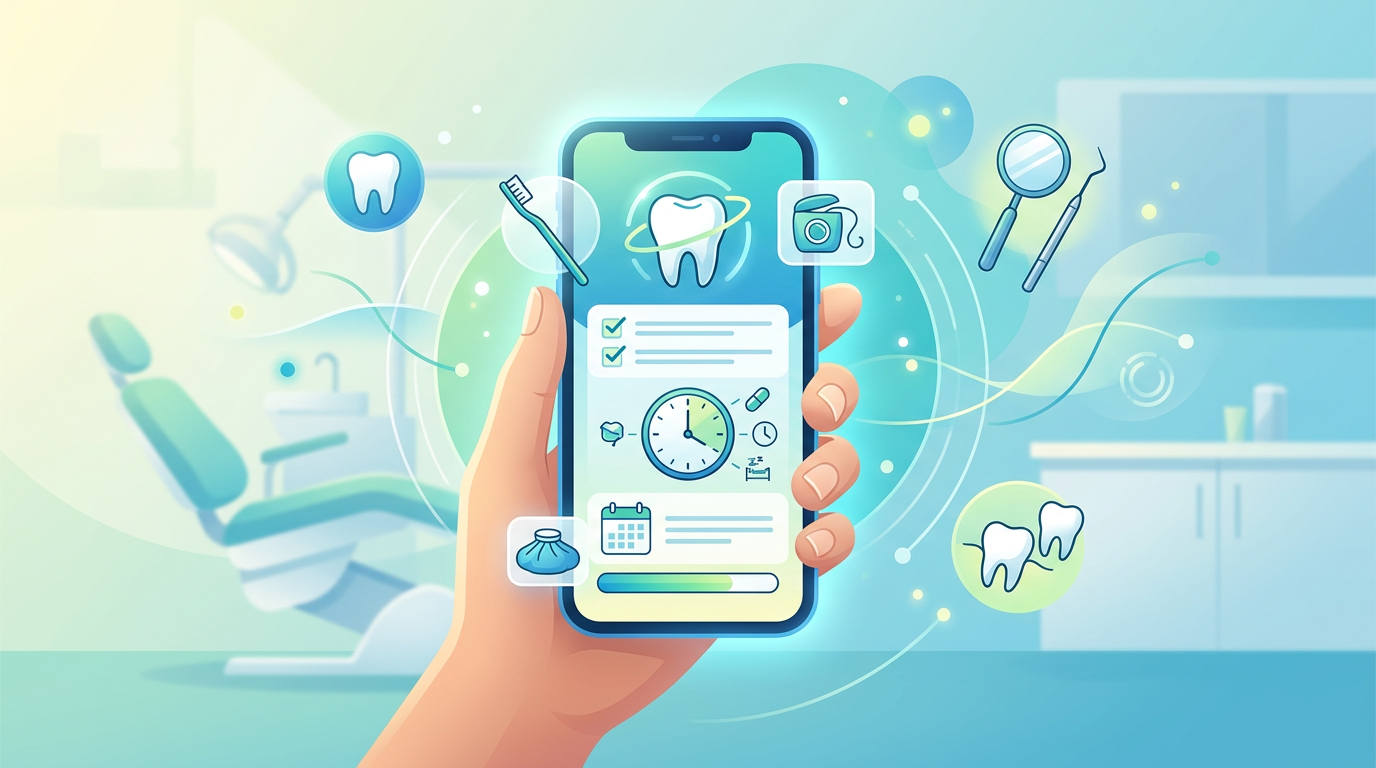
1. Intelligent Appointment Reminders: This is the most powerful weapon against forgetfulness. The software sends a sequence of reminders across multiple channels (SMS, email, automated calls) at strategic intervals, such as:
- Initial Confirmation: Sent immediately after booking.
- One-Week Reminder: A gentle nudge.
- 24-48 Hour Reminder: The critical final reminder, often letting patients confirm or reschedule directly.
- Morning-of Reminder: A final push for same-day appointments.
Each reminder can carry key details: appointment type, practitioner's name, practice address, even a link to directions or pre-visit forms. Letting patients confirm or reschedule with a quick text or click removes friction at exactly the right moment.
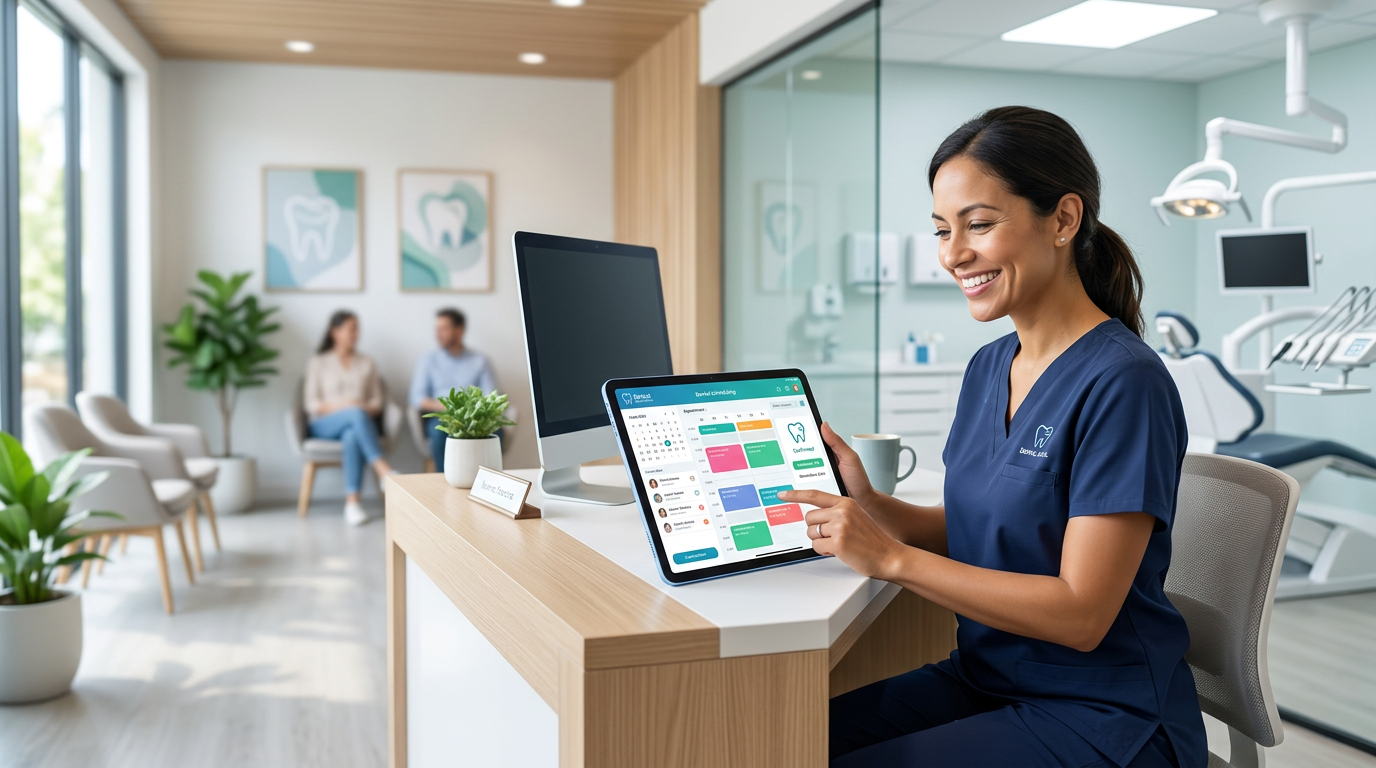
2. Online Self-Scheduling: Letting patients book their own appointments online around the clock is a game-changer. This feature:
- Reduces Phone Tag: Patients pick a time without waiting for office hours.
- Increases Convenience: Appeals to digitally minded patients with packed schedules.
- Improves Accuracy: Patients choose their own slots, cutting miscommunication about times.
- Boosts Ownership: Active participation in booking strengthens commitment to showing up.
Tied into the practice management system, online scheduling keeps available slots current and prevents double-bookings.
3. Automated Rescheduling and Cancellation: Life happens, and patients need flexibility. Automated systems let patients reschedule or cancel online or by text without calling the office. This matters because it:
- Reduces No-Shows: Patients who can reschedule easily are less likely to vanish.
- Fills Open Slots: When someone cancels, the system can offer that slot to waitlisted patients automatically, minimizing downtime.
- Improves Patient Experience: A flexible, easy process builds goodwill and loyalty.
4. Smart Waitlists and Fill-In Features: When cancellations hit, the software instantly notifies waitlisted patients seeking earlier slots. This just-in-time scheduling is invaluable for:
- Maximizing Schedule Utilization: Fewer empty chairs and more productive practitioner hours.
- Reducing Patient Wait Times: Patients needing urgent care get seen sooner.
- Boosting Revenue: Every filled slot strengthens the practice's bottom line.
5. Patient Portal Integration: A secure portal lets patients view upcoming appointments, update contact details, complete intake forms before the visit, and even pay. This pre-visit prep:
- Saves Time at Check-In: Less administrative load and shorter office waits.
- Ensures Data Accuracy: Patients correct their own information directly.
- Reduces Anxiety: Knowing what to expect, with forms already done, eases pre-appointment stress.
6. Customizable Communication Templates: Practices can tailor messages to patient segments or appointment types. A complex surgical follow-up might carry more detailed instructions than a routine cleaning. Personalized messaging lands better and stays relevant.
7. Reporting and Analytics: Advanced software reveals no-show rates, cancellation patterns, and popular booking times. With this data, practices can:
- Identify Trends: Pinpoint the days, times, or appointment types with higher no-show rates.
- Optimize Scheduling Strategies: Adjust reminder cadence or set firmer cancellation policies for repeat offenders.
- Measure ROI: Quantify the financial gains from fewer no-shows.
Beyond No-Shows: More Benefits of Scheduling Automation
Reducing no-shows is the headline win, but automated dental scheduling software delivers a cascade of additional advantages that contribute to overall practice success and lift the whole operation:
- Enhanced Patient Experience: Modern patients expect convenience and digital interaction, and automated scheduling delivers both, raising satisfaction and loyalty.
- Increased Staff Efficiency: Freed from manual calling and booking, your team can focus on care coordination, treatment presentations, and marketing.
- Improved Revenue Growth: Fewer no-shows mean more filled appointments and a healthier income stream, and quick slot-filling pushes it higher. See the broader picture of financial tracking across your practice.
- Better Data Management: Centralized digital scheduling keeps all appointment data organized, accessible, and integrated with other systems.
- Reduced Human Error: Automation cuts scheduling conflicts, wrong times, and forgotten reminders that plague manual processes.
- Professional Image: Seamless scheduling signals a modern, efficient, patient-focused practice.
Best Practices for Implementing Scheduling Software
To maximize the impact of automated dental scheduling software and genuinely reduce no-shows, keep these best practices in mind:
- Choose the Right Software: Pick a solution that integrates cleanly with your practice management system, offers the features you need, and stays user-friendly for staff and patients alike. Denti360 offers cutting-edge solutions built for modern practices.
- Phased Implementation: Resist doing everything at once. Start with core features like automated reminders and online scheduling, then add advanced functions gradually.
- Staff Training and Buy-In: Train your team thoroughly, explain the benefits, and address concerns. Staff enthusiasm drives successful adoption.
- Educate Your Patients: Promote the new booking and reminder options through in-office signage, email announcements, and verbal explanations.
- Customize Reminders: Tune the timing, frequency, and content to fit your patients. Some prefer SMS, others email, so offer choices.
- Monitor and Adjust: Review no-show rates and scheduling analytics regularly, then refine reminder strategies and booking parameters as patterns emerge.
- Leverage Waitlists Effectively: Manage your waitlist actively, with a protocol to fill cancellations fast.
- Address Anxiety: Software helps, but the human touch still counts. For anxious patients, a personal call or tailored messaging can make the difference.
- Communicate Policies Clearly: Use the system to state cancellation and no-show policies, including any fees, both at booking and in reminders.
The Future of Dental Scheduling Is Automated
Patient engagement keeps evolving, and practices must adapt to stay competitive and efficient. Automated dental scheduling software is no passing trend; it is a fundamental shift toward smarter, more patient-centric, and more profitable practice management. Embrace it, and you can finally tame the persistent problem of no-shows, optimize schedules, empower your team, and deliver a superior patient experience. It is one of many platform capabilities that keep a modern practice running smoothly.
Looking toward 2026 and beyond, AI and machine learning promise even sharper predictive analytics and personalization in scheduling, cementing automation as essential infrastructure for every successful practice. Investing in robust scheduling software is an investment in your practice's future: sustained growth, stronger patient loyalty, and a calmer, more streamlined day. Ready to reduce no-shows for good? Request a Denti360 demo and see automated scheduling at work.