
Reducing Orthodontic No-Shows: Five Proven Strategies for a Busy Practice
Orthodontic no-shows silently drain resources, time, and revenue from even the busiest practice—and a high rate can seriously damage your financial health. Every missed appointment means lost chair time, wasted preparation and follow-up, and a disrupted treatment trajectory. While a certain percentage of no-shows might be inevitable, particularly in a specialty with long treatment durations and a diverse patient base, a high rate can severely impact a practice's financial health and operational efficiency. Furthermore, it can lead to longer wait times for other patients who genuinely need care, creating a ripple effect of dissatisfaction.
In the dynamic world of dental healthcare, where patient expectations are evolving and competition is fierce, proactively addressing appointment no-shows is no longer a luxury but a necessity. This comprehensive guide, brought to you by Denti360, delves into five powerful and actionable strategies that busy orthodontic practices can implement to significantly reduce no-show rates. By integrating these approaches, practices can foster better patient engagement, optimize their scheduling, and ultimately enhance their overall productivity and profitability.
1. Implement Advanced Automated Appointment Reminders
The human element, while crucial for personalized care, can sometimes be a bottleneck in managing the sheer volume of appointment reminders required for a busy orthodontic practice. This is where advanced automated reminder systems become invaluable. Moving beyond simple one-off emails, modern systems offer multi-channel, customizable, and intelligent reminder sequences that significantly reduce the likelihood of a patient forgetting their appointment.
Multi-Channel Reminders: Reaching Patients Where They Are
Patients interact with technology in diverse ways, so a robust system should use multiple channels:
- SMS Text Messages: With exceptionally high open rates, texts are perhaps the most effective immediate reminder—discreet, non-intrusive, and accessible.
- Email Reminders: Ideal for more detail, such as date, time, location, pre-appointment instructions, or forms to complete.
- Automated Voice Calls: Sometimes less preferred by younger patients, but highly effective for older patients or those who favor auditory reminders, often with keypad confirmation.
The key is letting patients choose their preferred method, or a combination, raising the odds they receive and acknowledge the reminder.
Customizable Timing and Frequency: The Right Message at the Right Time
One-size-fits-all reminders are less effective. An advanced system lets you customize timing and frequency. A typical sequence:
- Initial Reminder (e.g., 7-10 days out): A gentle email or text, perhaps with a link to pre-visit forms or what to expect, giving ample time to reschedule.
- Mid-Week Reminder (e.g., 3-4 days out): A follow-up text or email reinforcing the appointment.
- Final Reminder (e.g., 24-48 hours out): A critical text and/or email asking for explicit confirmation (e.g., "Reply 'Y' to confirm, 'N' to cancel/reschedule"). This feedback loop is vital for spotting potential no-shows in advance.
Integration with Practice Management Software: A Seamless Workflow
For maximum efficiency, the reminder system should integrate seamlessly with your existing practice management software (PMS). This ensures:
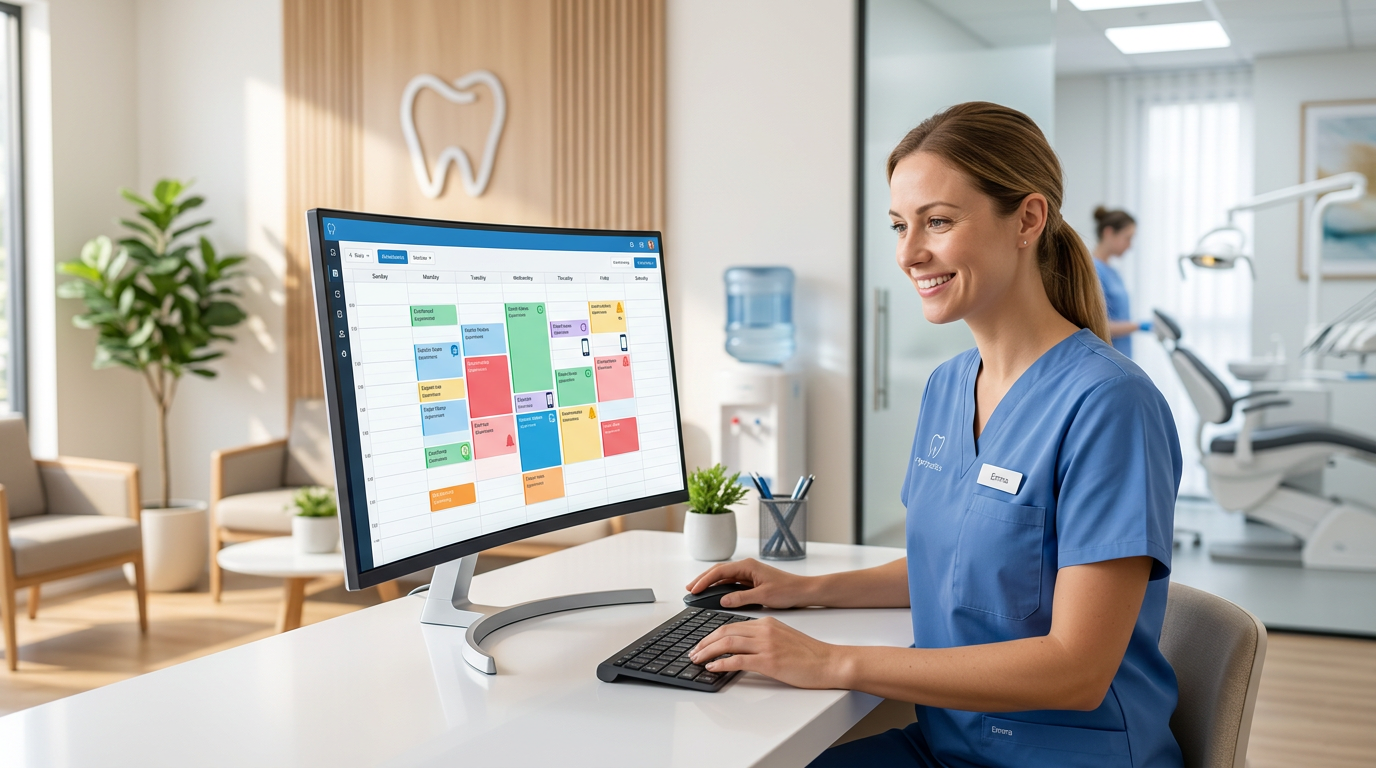
- Schedules update automatically: Confirmed appointments are marked, and cancellations trigger alerts to fill the vacant slot.
- Patient data stays consistent: No manual entry errors, since contact information pulls directly from existing records.
- Personalization is possible: Reminders can include the patient's name, their specific doctor, and the appointment type, making them more engaging.
Automating this frees valuable staff time, reduces error, and improves the consistency and reach of reminders. Denti360's automated appointment scheduling brings these capabilities into one workflow.
2. Implement a Clear and Enforced Cancellation Policy
While reminders are proactive, a well-defined, consistently enforced cancellation policy deters no-shows and late cancellations. It sets boundaries, communicates expectations, and assigns accountability to the patient.
Communicating the Policy Effectively: Transparency Is Key
The policy must be clear, concise, and communicated at multiple touchpoints:
- At Patient Onboarding: New patients receive the policy and sign an acknowledgment during their initial visit.
- On the Practice Website: Easily accessible on a dedicated "Patient Information" or "Appointments" page.
- In Appointment Confirmation Messages: A brief mention with a link to the full policy in confirmation emails.
- During Reminder Calls/Texts: A final reminder might include a brief note about the cancellation window.
Key elements include the required notice period (e.g., 24-48 hours), the cancellation method (phone call preferred), and the consequences of a no-show or late cancellation.
Defining Consequences: Fair but Firm
Consequences for violating the policy must be clear. Common approaches:
- Missed Appointment Fee: A fixed charge for no-shows or late cancellations, reasonable and reflective of lost chair time and administrative costs.
- Requirement for Pre-Payment: For patients with a no-show history, requiring a deposit or full payment for future appointments can be an effective deterrent.
- Restricted Scheduling: After multiple no-shows, a practice may limit a patient to same-day appointments if available, or suggest care elsewhere.
Approach this with empathy, especially for genuine emergencies, but stay consistent. Making exceptions too often undermines the policy.
Consistent Enforcement: The Backbone of the Policy
Even a well-written policy is meaningless without consistent enforcement. Train staff to:
- Document every no-show and late cancellation: A clear record supports patient history and policy application.
- Communicate clearly with patients: When applying a fee, explain the policy calmly and professionally, referencing the signed acknowledgment.
- Maintain fairness: Stay consistent while keeping a process for reviewing exceptional circumstances—but default to enforcement.
A strong policy, backed by clear communication and consistent enforcement, signals that your time and resources are valuable, encouraging accountability.
3. Optimize Scheduling and Overbooking Strategies
Even with great reminders and a robust policy, some no-shows are inevitable. Smart scheduling and strategic overbooking mitigate their impact and keep chair time productive.
Data-Driven Overbooking: A Calculated Approach
Strategic overbooking isn't double-booking every slot; it's making informed decisions from historical data. By analyzing past no-show rates by appointment type, day, and time, you can calculate a statistically sound overbooking percentage.
- Analyze historical data: Use your practice management software to spot no-show and cancellation trends over the past 6-12 months. What percentage of a typical Tuesday afternoon is missed? Which appointment types (quick adjustments vs. longer consultations) have higher rates?
- Segment your patients: Identify highly reliable patients versus frequent no-shows to inform individual scheduling.
- Apply modest overbooking: Rather than leaving slots empty, schedule an extra patient or two in periods with historically high no-show rates. The goal is filling gaps, not creating long waits.
Stay conservative and agile. If overbooking consistently makes patients wait, adjust.
Flexibility with Fill-In Slots and Waitlists
Building flexibility into the schedule helps you fill unexpected openings quickly.
- "Buffer" or "Flex" Slots: Designate a few short daily slots for urgent add-ons, short adjustments, or waitlist patients.
- Dynamic Waitlist Management: Implement a robust digital waitlist. When a cancellation occurs, the system automatically notifies available waitlisted patients via text, letting the first responder claim the slot.
- Pre-booking "next available" slots: For patients with flexible schedules, offer to call them if an earlier slot opens.
With technology and data, practices turn unpredictable no-shows into opportunities to optimize patient flow and maximize chair utilization.
4. Enhance Patient Engagement and Education
Patients who feel connected to their treatment, understand its importance, and value their relationship with the practice are far less likely to miss appointments. Engagement and education build a partnership that goes beyond simple reminders.
Educating Patients on Treatment Importance
Many patients, especially younger ones, may not grasp the implications of missed orthodontic appointments. Educate them on:
- Treatment Delays: Explain how missed appointments prolong overall treatment, delaying braces removal or aligner completion.
- Oral Health Risks: Discuss complications like decalcification, cavities, or gum issues if hygiene isn't regularly monitored and adjusted.
- Impact on Results: Emphasize that consistent appointments are crucial for the best aesthetic and functional outcomes.
Use visual aids, before-and-after photos, and clear language during consultations and throughout treatment.
Personalized Communication and Relationship Building
Orthodontic treatment often spans years, offering ample opportunity to build relationships. Personalization makes patients feel valued:
- Remembering details: Staff recalling personal details (e.g., "How was your soccer game?") fosters a stronger connection.
- Tailored content: Send newsletters with orthodontic care tips, practice updates, or patient success stories.
- Post-appointment check-ins: For complex procedures or new appliances, a quick follow-up call or text a day or two later shows care and addresses concerns, strengthening loyalty.
- Rewards and Recognition: Implement loyalty programs or small incentives for consistent attendance—even a monthly drawing for patients with perfect attendance.
When patients feel like valued members of a community rather than another number on the schedule, their commitment naturally increases.
5. Leverage Technology for Pre-Appointment Processes and Communication
Modern dental technology streamlines pre-appointment processes, reduces patient friction, and improves communication—all contributing to fewer no-shows.
Digital Patient Intake Forms: Saving Time and Reducing Stress
Clipboards in the waiting room should be behind us. Digital intake forms, accessible via a secure patient portal or emailed link, let patients complete paperwork at their convenience before the appointment. This saves chair time and ensures patients aren't rushed, yielding more accurate information. When patients arrive ready, they are more invested in the visit. Denti360's streamlined patient management keeps that intake data organized and instantly accessible.
Secure Patient Portals: A Central Hub for Engagement
A robust patient portal serves as a centralized platform for patients to:
- Access their treatment plan: Review upcoming appointments, treatment progress, and educational materials.
- Communicate securely with the practice: Ask non-urgent questions without calling.
- View account information: Check billing statements and make payments.
- Reschedule/Cancel appointments: Manage appointments easily, with appropriate notice.
A well-designed portal enhances transparency and convenience, making patients more likely to engage with and respect their scheduled visits.
Virtual Consultations and Teledentistry for Initial Screenings
For initial consultations or certain follow-up checks, consider virtual appointments. Not suitable for all orthodontic procedures, but teledentistry can:
- Reduce barriers to initial visits: Patients have an initial screening from home, saving travel time and reducing first-meeting no-shows.
- Improve accessibility: Beneficial for patients with transportation challenges or busy schedules.
- Filter commitment: Patients who attend a virtual consult are often more committed to an in-person follow-up.
These technological solutions make the patient journey smoother, more convenient, and more transparent, reinforcing the value of each appointment and reducing the friction that leads to no-shows.
Conclusion: Cultivating a Culture of Punctuality and Respect
Reducing orthodontic no-shows isn't about a single magic bullet; it's a multi-faceted strategy combining technological innovation with strong communication and engagement. By adopting advanced automated reminders, clear cancellation policies, optimized scheduling, enhanced patient education, and digital pre-appointment tools, practices create an environment where punctuality is valued and respected by everyone.
The benefits go beyond filling empty chairs. A lower no-show rate improves operational efficiency, raises staff morale, reduces financial strain, and ultimately delivers better patient outcomes as treatment progresses without delay. Investing here is investing in the long-term success of your practice. As Denti360 champions innovative solutions for dental healthcare, we encourage you to explore the full benefits of the Denti360 platform or contact our team to transform appointment management from a challenge into a cornerstone of practice excellence.