
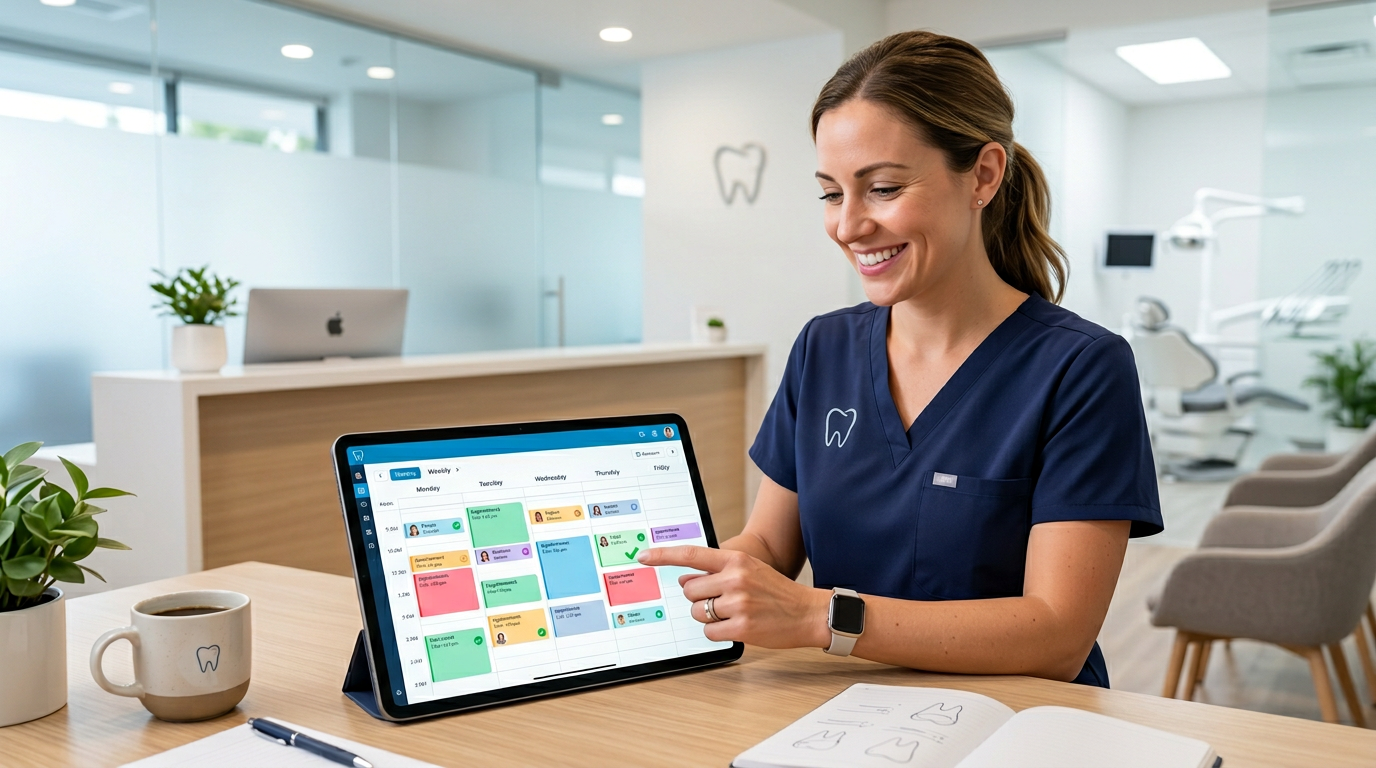
Optimize Appointment Slots and Reduce No-Shows with Dental Scheduling Software
Dental scheduling software is the most direct way to attack the no-show problem that quietly drains your practice. Every missed appointment is lost revenue and a disruption to a carefully planned day, with a ripple effect of underutilized staff, wasted chair time, and a more stressful, less profitable environment. No-shows are an unfortunate reality, but their frequency can be dramatically reduced through strategic optimization of appointment slots powered by sophisticated scheduling software. For Denti360, a leader in dental healthcare technology, understanding and implementing these strategies is key to unlocking a practice's full potential.
This guide explains how modern dental scheduling software builds a resilient, efficient appointment system that minimizes no-shows and maximizes patient retention. We will explore the techniques, technologies, and best practices that transform how practices manage their schedules. Strong appointment scheduling capabilities sit at the center of this.
The Pervasive Problem of No-Shows in Dental Practices
Before diving into solutions, it is crucial to grasp the true impact of no-shows. A study by the Medical Group Management Association (MGMA) indicated that the average no-show rate for medical appointments can range from 5% to 10%. In dentistry, this can translate to thousands of dollars in lost revenue annually for a single practice, plus operational inefficiencies. Consider a practice with 10 appointments daily; even a 5% no-show rate means losing one appointment every two days, adding up to substantial losses over a year.
The reasons for no-shows are varied: forgetfulness, scheduling conflicts, financial concerns, fear of treatment, or a lack of perceived urgency. While some factors are outside a practice's control, many can be influenced and mitigated through proactive scheduling and communication facilitated by advanced software.
The Power of Dental Scheduling Software in Appointment Optimization
Gone are the days of paper appointment books and manual reminder calls. Modern dental scheduling software is indispensable, offering features that streamline operations and enhance patient engagement. Its real power lies in actively optimizing the schedule to prevent gaps and reduce no-shows, not just recording appointments.
1. Smart Scheduling Algorithms and Capacity Management
Advanced scheduling software often incorporates intelligent algorithms that optimize how appointment slots are allocated. Instead of simply filling the next available slot, these systems can consider:
- Procedure Lengths: Automatically block appropriate time based on the estimated duration of specific procedures, such as a simple cleaning versus a complex root canal.
- Provider Availability: Manage multiple dentists, hygienists, and specialists with their unique schedules, breaks, and days off.
- Equipment/Room Availability: Ensure the necessary operatory or specialized equipment is available for the scheduled procedure, preventing last-minute logistical hurdles.
- Buffer Times: Automatically insert small buffers between appointments to account for overruns or room turnover, reducing stress and improving patient flow.
- Urgency/Priority: Some systems prioritize urgent cases, dynamically adjusting the schedule to accommodate immediate needs while minimizing disruption.
By intelligently managing these variables, practices create a more realistic, efficient schedule, reducing rushed appointments, long waits, and the patient dissatisfaction that leads to future no-shows.
2. Automated Reminders: The First Line of Defense
This is perhaps the most fundamental and effective feature for reducing no-shows. Dental scheduling software automates appointment reminders through multiple channels:
- SMS Text Messages: High open rates make text messages incredibly effective. Automated texts can be sent days in advance, then again a day before.
- Email Reminders: More detailed information, such as directions, pre-appointment instructions, or patient portal links, can be included in email reminders.
- Automated Phone Calls: For patients who respond better to voice, automated calls deliver a friendly reminder.
The key is customization. Patients can choose their preferred method. Software lets you set reminder cadences, such as 7 days out, 3 days out, and 24 hours out, and tailor message content. Confirmations like "Reply C to confirm, R to reschedule" are vital, providing immediate feedback so staff can act on unconfirmed appointments.
3. Online Patient Portals and Self-Service Scheduling
Empowering patients to manage their own appointments is a powerful way to reduce no-shows. Online patient portals integrated with scheduling software offer:
- 24/7 Appointment Booking: Patients can book, view, or reschedule at their convenience, outside practice hours, reducing the burden on front desk staff and fitting busy lives.
- Rescheduling and Cancellation Options: Making it easy to reschedule converts a potential no-show into a rebooked appointment, and a clear cancellation option lets the practice reallocate that slot.
- Access to Forms and Information: Patients can fill out new patient forms, update medical history, and access pre- and post-operative instructions online, arriving prepared.
This self-service approach improves satisfaction, reduces administrative overhead, and makes patients feel more invested in their scheduled care. It is a core part of streamlined patient management.
4. Waitlists and Fill-In Functionality
Even with the best reminder system, cancellations happen. This is where waitlists become invaluable. Dental scheduling software lets practices maintain a dynamic waitlist of patients eager for an earlier appointment or who couldn't find a suitable slot initially. When a cancellation occurs:
- Automated Notifications: The system can automatically notify waitlisted patients via text or email about the newly available slot.
- Quick Fill-Ins: This drastically reduces the time a chair sits empty, turning a potential loss into a filled appointment.
Some advanced systems can even match available slots with waitlisted patients based on procedure type or provider preference, ensuring the best fit.
5. Communication & Engagement Tools
Beyond reminders, scheduling software often integrates with broader communication platforms to strengthen patient relationships and reduce anxiety, a common cause of no-shows:
- Two-Way Messaging: Patients can easily communicate with the practice about questions, concerns, or appointment changes without a phone call.
- Patient Education: Software can automatically share relevant educational content before or after appointments, helping patients understand their treatment plan and value their dental health.
- Pre-Appointment Screening Questionnaires: Sent automatically before the appointment, these ensure patients are medically cleared or reminded of specific preparations.
Enhanced communication builds trust and keeps patients engaged, making them less likely to miss appointments.
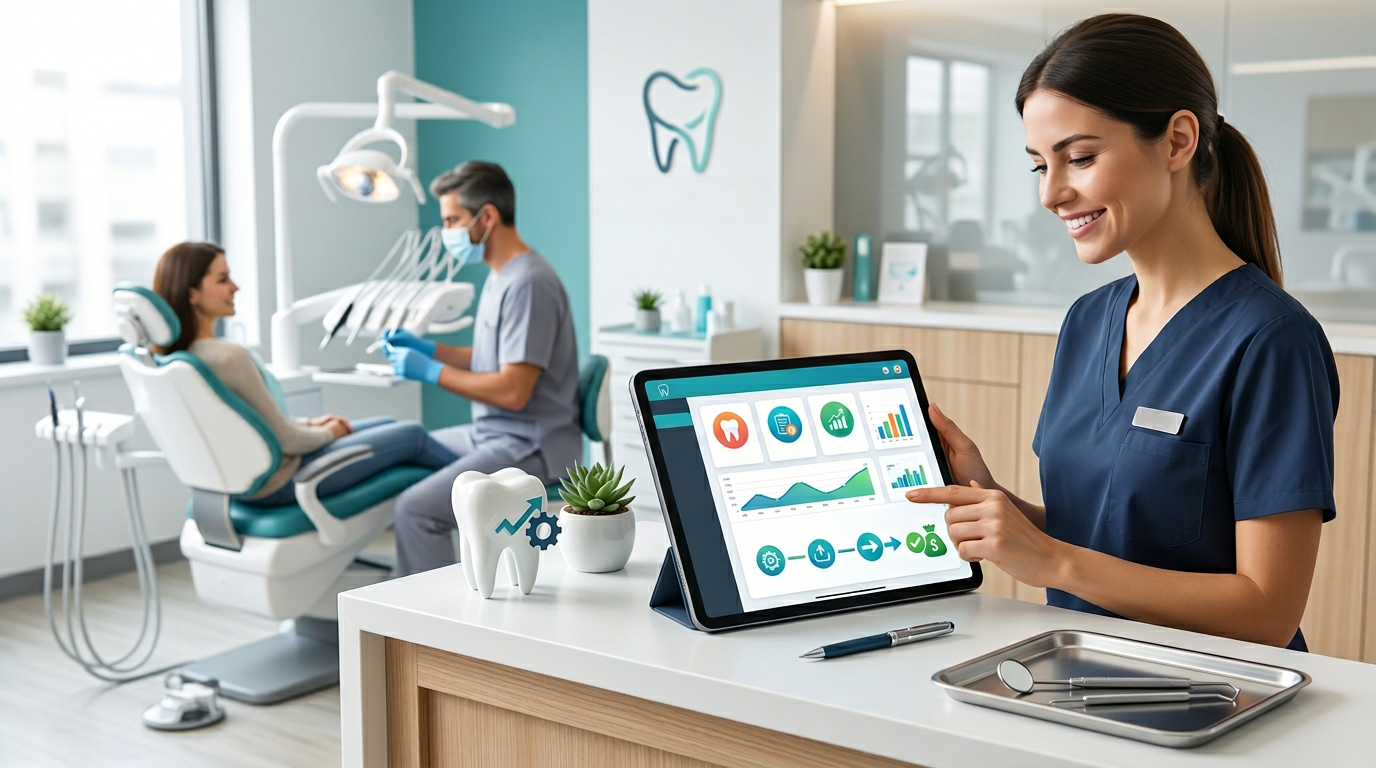
6. Analytics and Reporting for Continuous Improvement
One of the most powerful features of modern scheduling software is its ability to collect and analyze data, including:
- No-Show Rates by Provider/Procedure/Day: Identify patterns and the specific areas contributing most to no-shows. Is one day of the week worse? Are certain appointment types missed more often?
- Cancellation Rates: Understand how often appointments are cancelled and the lead time for cancellations.
- Confirmation Rates: Track the effectiveness of different reminder types and cadences.
- Patient History Analysis: Identify repeat no-show offenders, allowing targeted interventions such as requiring deposits, booking only short appointments, or having a direct conversation.
By leveraging these insights, practices continuously refine their scheduling strategies, adjust reminder settings, and implement targeted interventions to further reduce no-shows in 2025 and beyond.
Strategies for Maximizing Software Potential to Reduce No-Shows
Implementing scheduling software is just the first step. To truly optimize appointment slots and reduce no-shows, adopt a strategic approach.
1. Develop a Clear No-Show Policy and Communicate It
Every practice needs a clear policy on no-shows and late cancellations, communicated explicitly at multiple touchpoints:
- During initial patient registration.
- On the practice website and patient portal.
- In appointment reminder emails and texts.
- Posted in the waiting room.
Policies might include a fee for missed appointments or a deposit for lengthy procedures. The software can help enforce these by tracking no-shows and applying charges when integrated with billing.
2. Segment Patients and Customize Communication
Not all patients are the same. Some prefer text, others email, and some need a personal phone call. The software lets you segment patients by communication preference and even no-show history. High-risk patients might receive more frequent or personalized reminders.
3. Implement a Deposit System for High-Value Appointments
For long, complex, or high-cost procedures, requiring a non-refundable deposit can significantly reduce no-shows. The scheduling software can integrate with payment systems to process deposits seamlessly during booking.
4. Leverage Two-Way Communication for Confirmation
Ensure your automated reminders are not one-way. Patients should be able to confirm, reschedule, or cancel directly from the reminder message. This reduces barriers and gives your front desk immediate feedback so they can proactively fill empty slots.
5. Train Staff Thoroughly on Software Features
The best software is only as good as its users. Ensure all front desk staff, hygienists, and dentists are fully trained on every feature, from booking and rescheduling to managing waitlists and interpreting reports. Understanding the system's capabilities empowers them to prevent no-shows.
6. Regularly Review and Adjust Scheduling Parameters
Use the software's analytics to regularly review no-show rates and spot trends. If Tuesday afternoons consistently have higher no-shows, investigate why. Perhaps those slots suit shorter appointments or patients with better attendance. Adjust buffer times, reminder cadences, and booking windows as needed.
7. Offer Virtual Consultations for Initial Screenings
For new patient consultations or follow-ups that don't require physical presence, offering virtual consultations through integrated telehealth features reduces the burden of travel and commitment, potentially converting more inquiries into patients. While not a direct no-show prevention for in-person appointments, it streamlines the funnel and builds early rapport.
The Denti360 Advantage in No-Show Reduction
At Denti360, our commitment is to provide dental practices with cutting-edge technology that drives efficiency and profitability. Our dental scheduling software is engineered with all the features discussed, and more, to help your practice minimize no-shows effectively. From intelligent appointment booking and multi-channel automated reminders to robust patient portals and insightful analytics, Denti360 offers a holistic solution designed to optimize your operational workflow and enhance the patient experience.
Conclusion: A Future of Fuller Schedules and Happier Patients
Reducing no-shows is not merely about filling empty chairs; it is about optimizing resources, enhancing patient care, and improving the overall financial health of your practice. By strategically implementing and fully using modern dental scheduling software, practices transform their approach to appointment management. Automated reminders, online self-service, dynamic waitlists, and comprehensive analytics are no longer luxuries but essential tools in a competitive healthcare landscape. Ready to see fuller schedules? Connect with the Denti360 team to optimize every appointment slot and build a more organized, profitable, patient-centric practice in 2025 and for years to come.