
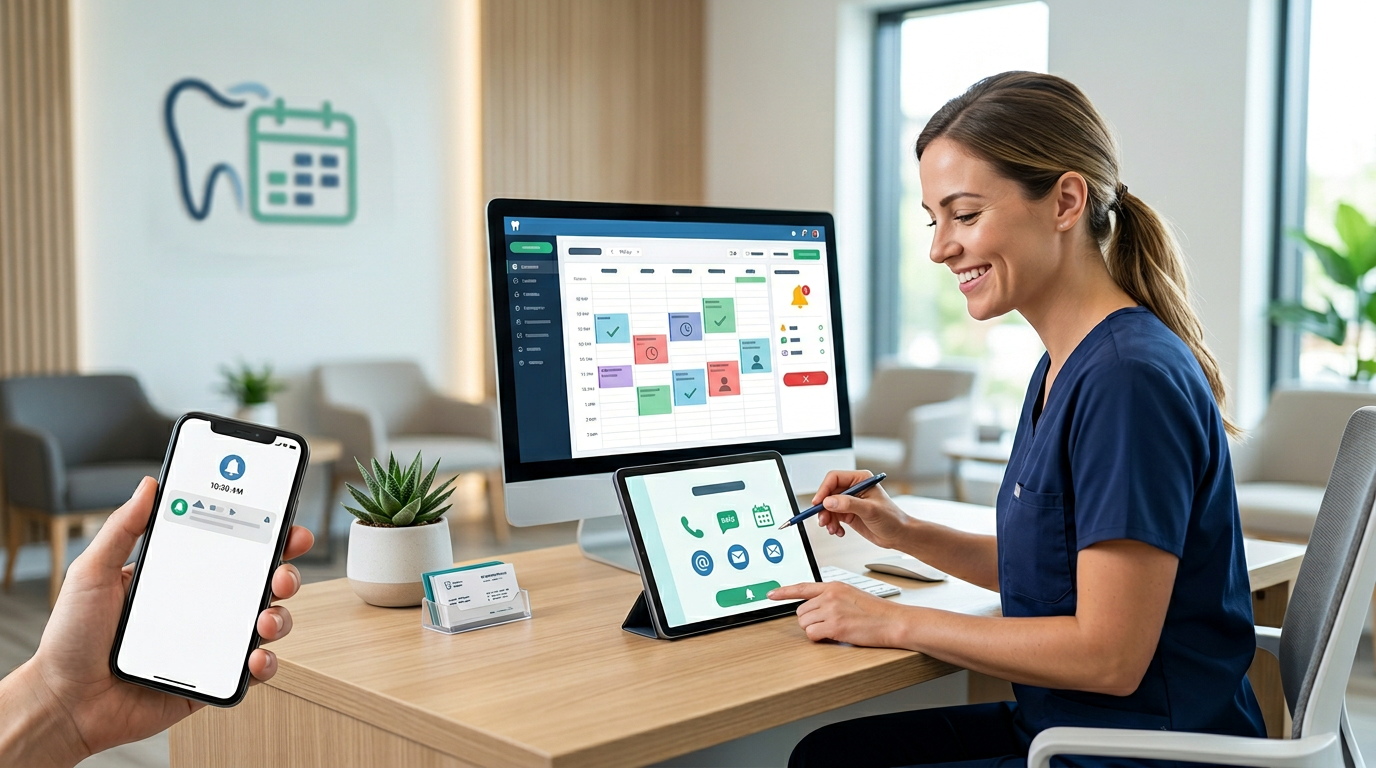
Boosting Practice Efficiency: The Power of Automated Dental Scheduling Reminders
Automated dental scheduling reminders are the single most effective lever for cutting no-shows, recovering lost revenue, and freeing up your front desk. Missed appointments, whether 'no-shows' or 'cancellations without adequate notice,' are far more than minor inconveniences; for dental practices they represent a significant drain on resources, lost revenue, and disruption to carefully planned schedules. The ripple effect touches staff morale, patient flow, and ultimately the bottom line. In today's fast-paced world, where patients juggle countless commitments, relying on manual phone calls or traditional mail reminders is no longer enough to maintain optimal attendance.
At Denti360, we understand the critical importance of operational efficiency and superior patient care, and we believe technology should enhance both. Automated scheduling reminders are a prime example of that synergy. By implementing a robust automated reminder system, practices can drastically reduce missed appointments, improve patient engagement, and free valuable administrative time so staff can focus on complex tasks and direct patient interactions.
The Pervasive Problem of Missed Appointments in Dentistry
The statistics are sobering. Depending on specialty and patient demographic, dental no-show rates can range from 5% to as high as 20%. Each missed slot translates directly into lost production time. Consider a hygienist's 60-minute appointment or a dentist's 90-minute restorative procedure going unfilled: that's an hour or more of unbilled chair time, wasted staff salaries, and a lost opportunity to provide essential care. Over a week, month, or year, these instances accumulate into substantial financial losses.
Financial Impact: More Than Just Lost Revenue
- Direct revenue loss: The most obvious impact is the income the procedure would have generated.
- Operational costs: Staff salaries (receptionists, hygienists, assistants), utilities, and rent keep accruing even when a chair sits empty.
- Resource misallocation: Instruments may have been sterilized, rooms prepared, and staff allocated, all for naught.
- Reduced productivity: A sudden gap disrupts the entire team's flow, causing idle time or rushed attempts to fill the slot.
Impact on Patient Care and Practice Reputation
- Delayed treatment: Patients who miss appointments delay necessary care, risking worsening conditions and more complex, expensive treatments later.
- Reduced access for others: An empty-but-booked slot means another patient who needed care couldn't be seen, extending waiting lists and causing frustration.
- Staff morale: Constantly dealing with no-shows and rescheduling is frustrating and demoralizing for administrative and clinical staff.
- Scheduling chaos: Continuous rescheduling and rebooking create administrative burden and inefficiency.
The Evolution of Appointment Reminders: From Manual to Automated
Historically, reminders were labor-intensive. Receptionists spent hours each day making calls, leaving voicemails, or sending postcards. Well-intentioned but inefficient, costly, and prone to human error.
Limitations of Traditional Methods
- Time-consuming: Manual calls tie up staff who could be doing other vital tasks.
- High labor costs: The cost of staff time for manual reminders adds up quickly.
- Inconsistent delivery: Voicemails go unchecked, postcards get lost, and calls go unanswered.
- No real-time confirmation: Immediate confirmation is hard to get, leaving uncertainty.
- Limited reach: Only one attempt per call, unlike digital methods that can retry or use multiple channels.
Automated dental scheduling reminders revolutionize this process. Using technology, these systems send timely, consistent, personalized reminders through preferred channels, dramatically improving confirmation rates and attendance.
Key Features and Benefits of Automated Reminders
Modern automated reminder systems are sophisticated tools that integrate seamlessly with your existing practice management software, creating a streamlined, highly effective communication loop with patients.
1. Multi-Channel Communication
Patients have diverse communication preferences. An effective system should offer multiple channels:
- SMS/text messages: High open rates and immediate delivery make texts incredibly effective; they're concise and convenient.
- Email reminders: Ideal for longer messages, practice branding, pre-appointment instructions, or links to online forms.
- Automated voice calls: For patients who prefer or only have phone access, these deliver a pre-recorded message or interactive confirmation options.
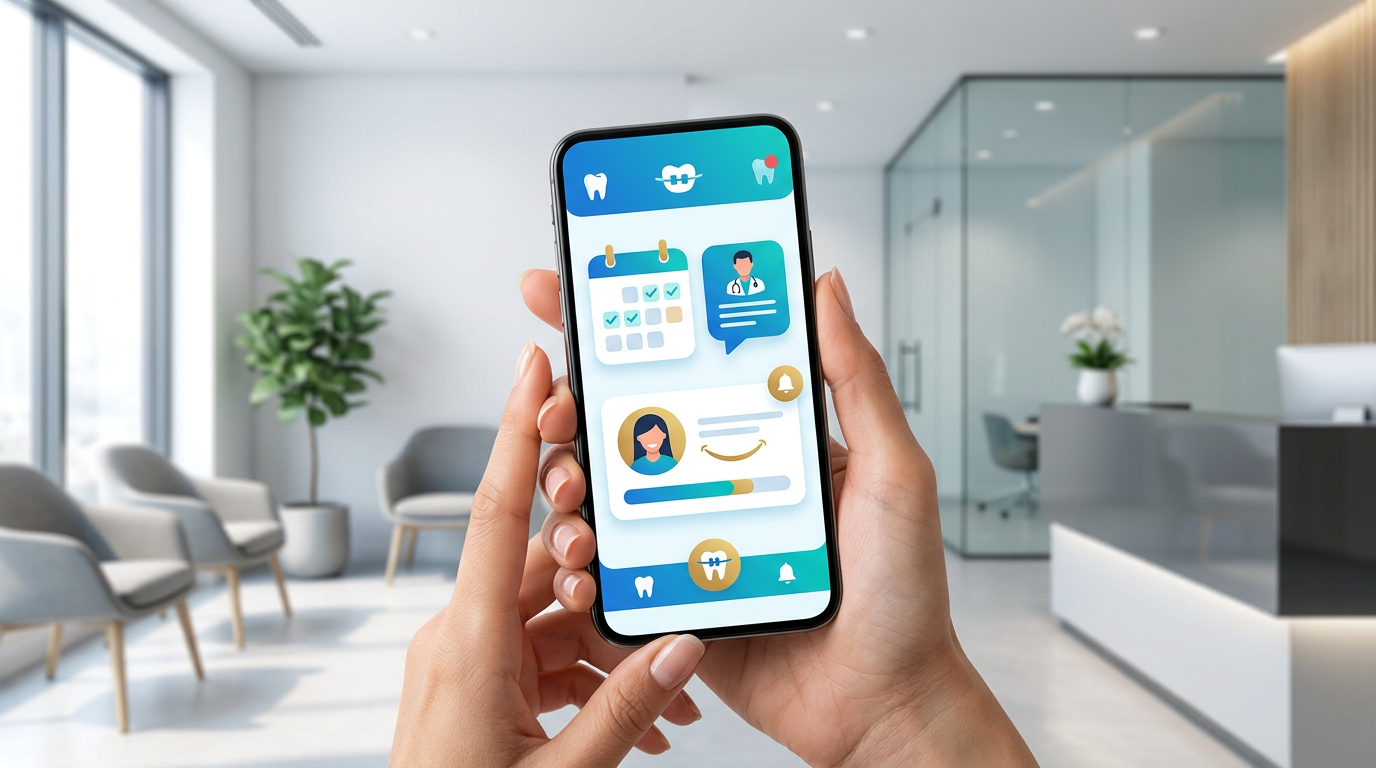
- In-app notifications: If your practice has a patient portal or mobile app, notifications can be integrated.
Customizing preferences for each patient ensures maximum effectiveness and a personalized experience.
2. Customizable Scheduling and Timing
One size doesn't fit all for reminder timing. Automated systems allow granular control over when reminders are sent:
- Initial reminder: Often 1-2 weeks before, giving ample time to confirm or reschedule.
- Mid-cycle reminder: Perhaps 2-3 days prior, as a gentle nudge.
- Day-before reminder: A crucial final reminder to solidify the appointment.
- Same-day reminder: A short text a few hours before prevents last-minute forgetfulness.
Practices can customize message content for each stage, including practice name, patient name, date, time, and instructions (e.g., 'Please arrive 15 minutes early to update forms').
3. Two-Way Communication and Self-Service
The true power of automation lies in interactivity. Patients shouldn't just receive reminders; they should be able to act on them directly:
- Confirmation: Patients reply 'C' to confirm, instantly updating your schedule.
- Reschedule/cancel: Replying 'R' to reschedule or 'X' to cancel, often directing them to a secure online portal or prompting a call. This proactive approach significantly reduces no-shows, as patients can easily modify appointments rather than forget or ignore them.
- Pre-appointment information: Links to patient forms, directions, or pre-operative instructions reduce front-desk workload on appointment day.
4. Intelligent Recall and Re-Engagement
Beyond current appointments, automated systems manage future recalls and support stronger patient management:
- Hygiene recalls: Automatically remind patients when they're due for their next check-up and cleaning, letting them book online or call.
- Treatment plan follow-ups: Gentle nudges for patients with outstanding treatment plans who haven't scheduled the next step.
- Birthday messages: A small touch that enhances patient loyalty and fosters a positive relationship.
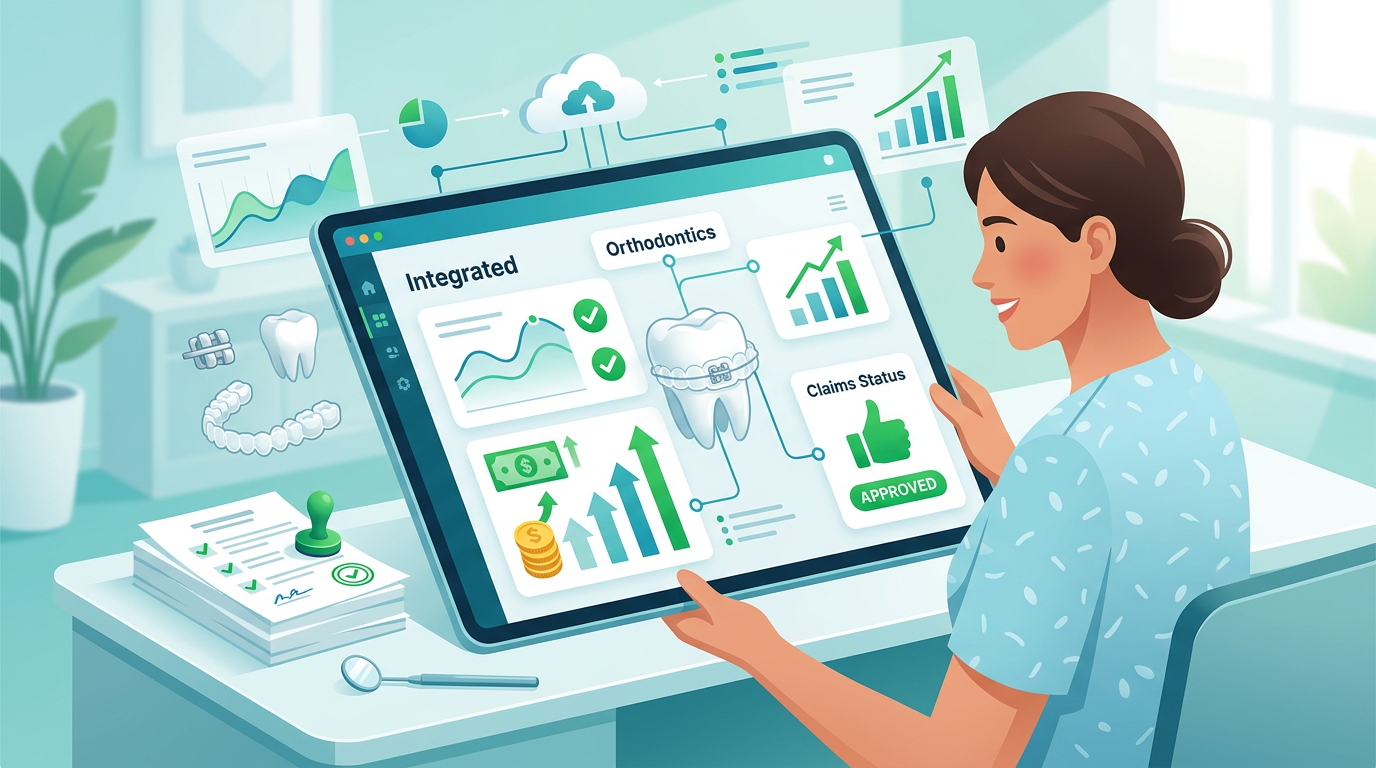
5. Integration With Practice Management Software
For maximum efficiency, the system should integrate seamlessly with your existing practice management software (e.g., Open Dental, Eaglesoft, Dentrix). This integration ensures:
- Real-time updates: When a patient confirms or reschedules, the system automatically updates the appointment book, preventing double bookings and manual errors.
- Data synchronization: Patient contact information, appointment history, and preferences sync automatically for accuracy and consistency.
- Reduced manual entry: Eliminates the need to manually transfer data between systems.
Implementing Automated Reminders: Best Practices for Dental Practices
To maximize the benefits of an automated reminder system, consider these best practices.
1. Choose the Right System (Like Denti360's Solutions)
Not all systems are equal. Look for solutions that offer:
- Seamless integration: Compatibility with your current PMS.
- Customization: Ability to tailor messages, timing, and channels.
- Two-way communication: Essential for patient interaction.
- Robust reporting: Track confirmation rates, no-show reductions, and ROI.
- Scalability: Grows with your practice.
- Compliance: HIPAA-compliant data handling.
Denti360 offers advanced solutions designed with these critical features in mind. Explore the full platform features to see how cutting-edge technology can benefit your practice.
2. Obtain Patient Consent (HIPAA Compliance)
Patient privacy is paramount. Always obtain explicit consent to send reminders via text or email. Incorporate this into new patient intake forms and confirm verbally during initial visits. Ensure your system and practices are fully HIPAA compliant regarding protected health information (PHI).
3. Personalize Messages
While automated, messages should still feel personal. Use the patient's name, the specific date and time, and your practice's name, with a professional yet friendly tone. For example: "Hi [Patient Name], this is a friendly reminder for your dental appointment with [Doctor Name] at [Practice Name] on [Date] at [Time]. Reply C to confirm or call us at [Phone Number] to reschedule. We look forward to seeing you!"
4. Optimize Timing and Frequency
Experiment to find the optimal schedule for your patient demographic. A common, effective sequence might be:
- 7 days prior: Email with detailed information and a confirmation request.
- 3 days prior: SMS confirmation request.
- 1 day prior: SMS final reminder.
- 2 hours prior: For specific procedures, a final quick text reminder.
Avoid over-messaging, which can annoy patients and lead to opt-outs.
5. Educate Your Patients and Staff
Introduce the new system to patients, explaining how it works, the benefits, and how to respond. Ensure front-desk staff are fully trained on the system's capabilities, how to interpret responses, and how to manage reschedules or cancellations efficiently within the new framework.
6. Monitor and Adjust
Regularly review performance. Track key metrics such as:
- Confirmation rates: How many patients confirm their appointments?
- No-show rates: Has there been a reduction since implementation?
- Cancellation rates: Are patients canceling proactively, letting you fill slots?
- Patient feedback: Are patients finding the reminders helpful?
Use this data to fine-tune settings, message content, and timing for continuous improvement. For example, if you see more late cancellations, send the first reminder earlier.
The Future of Dental Scheduling: Integration and Advanced Analytics
Automated dental scheduling reminders will continue to evolve. Expect even deeper integration with AI-driven analytics that predict patient behavior and optimize scheduling in real time. Systems will grow more personalized, understanding individual preferences for communication style, timing, and the information patients find most useful. Virtual assistants and chatbots will play a greater role in handling rescheduling requests and answering common pre-appointment questions, further reducing administrative load.
Integration with digital health platforms and wearable technology could also offer novel ways to engage patients and remind them about oral hygiene practices, not just appointments. The goal stays the same: a seamless, patient-centric experience that maximizes practice efficiency and improves oral health outcomes.
Conclusion: A Smart Investment for a Thriving Practice
Missed appointments are a significant yet largely preventable challenge. By embracing automated dental scheduling reminders, practices can transform a major pain point into a powerful lever for efficiency, revenue growth, and enhanced patient satisfaction. The investment quickly pays for itself through reduced losses, improved operational flow, and a more engaged patient base.
For practices looking to modernize operations, improve attendance, and free valuable staff time, a robust automated reminder system isn't just an option, it's a necessity. Denti360 is committed to empowering dental professionals with the tools they need to succeed, and our automated scheduling solutions are designed to do exactly that. Contact Denti360 today to secure your practice's future and ensure your patients arrive, every time.