
Why Dental No-Shows Quietly Drain Your Practice
Dental no-shows turn a fully booked day into lost revenue and idle chair time, and for routine cleanings, the bread and butter of preventive dentistry and a significant revenue stream for most practices, the damage adds up fast. A no-show happens when a patient fails to attend a scheduled appointment without prior notification, leaving an empty chair, lost revenue, and a disrupted workflow. In the dynamic world of dental healthcare, clinical excellence remains the cornerstone of any successful practice, yet the administrative burden of managing appointments presents real challenges, and the no-show stands out as a particularly vexing one. This post shows how automated scheduling reminders cut that loss, lift practice efficiency, and strengthen patient relationships.
For routine cleanings the impact is compounded. A missed slot is a direct loss of income, and it also triggers a cascade of inefficiencies: hygienists and assistants have downtime, valuable chair time goes unused, and your ability to serve other patients effectively is compromised. Frequent no-shows can also extend recall periods, potentially harming oral health outcomes and increasing the likelihood of more complex and costly treatment down the line.
The financial implications are substantial. Each missed appointment still incurs the overhead for that time slot, including staff salaries, facility costs, and equipment depreciation, without generating any corresponding revenue. Over a week, a month, or a year, these seemingly small individual losses accumulate into a significant financial drain. Beyond the money, the administrative effort to follow up on missed appointments, reschedule, and fill last-minute openings adds another layer of operational strain, distracting staff from patient care, billing, and proactive outreach.
This post explores the critical role automated scheduling reminders play in mitigating no-shows. By understanding the why behind missed appointments and implementing robust technology, practices can reclaim control over their schedules and foster stronger, more reliable patient relationships. A strong appointment scheduling system turns an unpredictable calendar into a more profitable, predictable one.
Understanding the 'Why' Behind Dental No-Shows
Before diving into solutions, it's crucial to understand the multifaceted reasons patients miss their dental appointments. Acknowledging these underlying causes lets practices tailor their reminder strategies more effectively.
Common Reasons for Missed Appointments
- Forgetfulness: Arguably the most common culprit. In today's fast-paced world, individuals juggle work, family, and social engagements, making it easy for a routine cleaning booked weeks or even months in advance to slip their minds.
- Scheduling Conflicts: Work meetings, childcare issues, unexpected emergencies, or overlapping appointments can all force patients to cancel or reschedule. These conflicts often arise last-minute, making it hard to inform the practice in time.
- Anxiety and Fear: Dental phobia is a significant barrier for many patients. While a routine cleaning seems minor to a professional, for an anxious patient even the thought of an appointment can be overwhelming, leading them to avoid or postpone.
- Logistical Hurdles: Transportation issues, difficulty parking, or distance to the practice can deter patients, especially when the effort seems to outweigh the perceived urgency of a cleaning.
- Perceived Lack of Importance: Patients without immediate pain may underestimate preventive care, viewing a cleaning as elective or easily deferrable, especially if they feel generally healthy.
- Financial Concerns: Although cleanings are often covered by insurance or relatively inexpensive, underlying financial stress or unexpected costs can lead patients to prioritize other expenses.
- Communication Breakdown: Sometimes the initial scheduling communication is unclear, or the patient genuinely misunderstood the appointment date, time, or location.
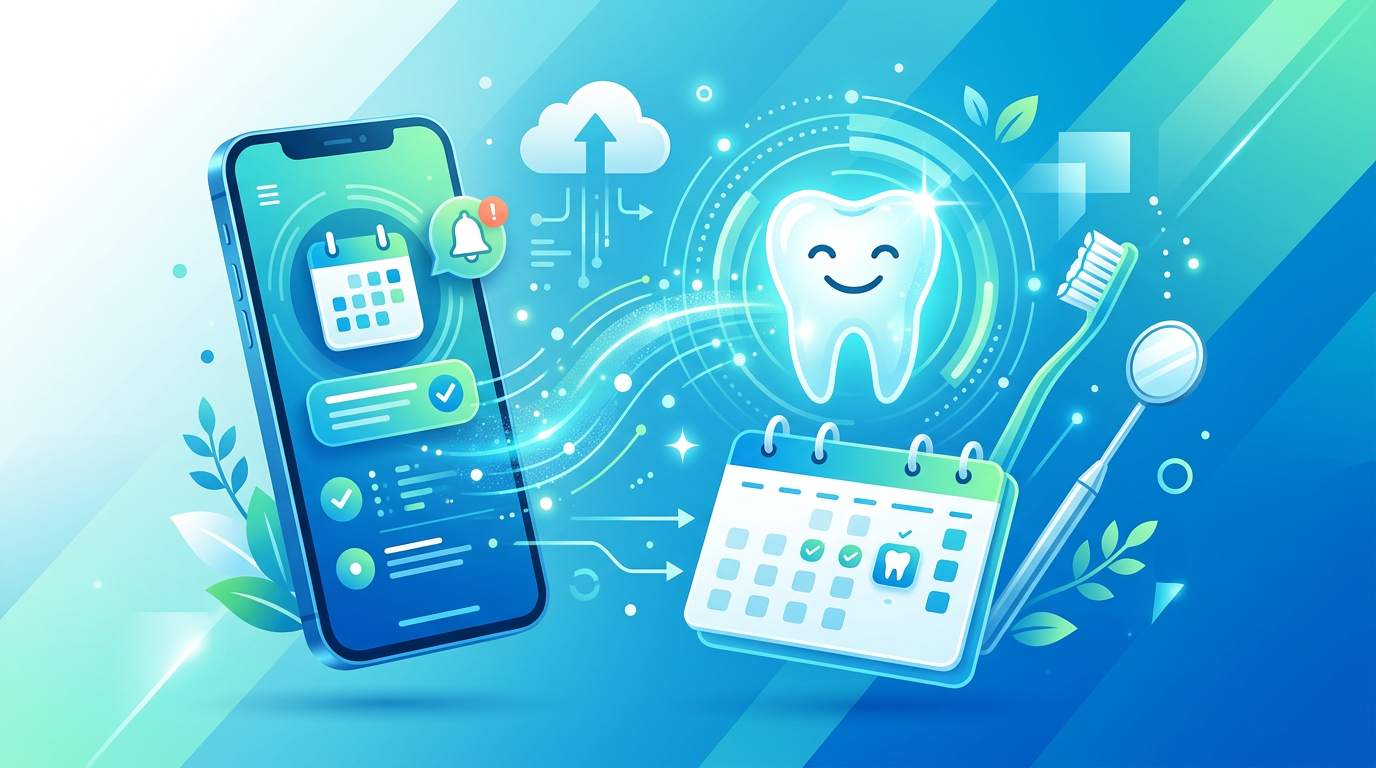
Addressing these diverse reasons takes more than simple phone calls. This is where automated scheduling reminders become indispensable. They tackle forgetfulness head-on, provide convenient channels for rescheduling, and demonstrate the practice's commitment to patient care, subtly reinforcing the importance of the visit.
The Power of Automated Scheduling Reminders: A Paradigm Shift
The traditional method of reminders, manual phone calls from front office staff, is time-consuming, prone to human error, and often ineffective. Patients may not answer calls, or staff may not reach them at convenient times. Automated scheduling reminders, powered by advanced dental technology, represent a significant leap forward, offering a more efficient, reliable, and patient-friendly approach.
Key Benefits of Implementing Automated Reminders
- Significant Reduction in No-Shows: This is the primary and most immediate benefit. By consistently reminding patients through their preferred channels, automated systems drastically decrease forgetfulness. Studies consistently show practices using automated reminders experience a substantial drop in no-show rates, often by 20% or more.
- Improved Practice Efficiency and Productivity: Freeing front office staff from repetitive manual calling lets them focus on higher-value tasks such as patient intake, insurance verification, treatment coordination, and direct patient interaction, optimizing staff utilization and overall office productivity.
- Optimized Chair Time Utilization: With fewer no-shows, practices keep valuable chair time consistently filled, creating a more stable schedule for hygienists and dentists, reducing downtime, and maximizing each operatory's revenue potential.
- Enhanced Patient Experience and Engagement: Patients appreciate timely, personalized notifications on their preferred device, making it easier to confirm, reschedule, or cancel. This proactive communication shows the practice values their time and well-being, fostering satisfaction and loyalty.
- Increased Revenue and Profitability: By reducing lost revenue and improving chair time utilization, reminders directly strengthen the bottom line, with a rapid return on investment that makes them a wise financial decision.
- Reduced Administrative Burden: Automating the reminder process lightens the load on staff, eliminating manual tracking, calling, and documenting, streamlining workflows, and reducing stress.
- Better Patient Compliance With Preventive Care: Consistent, friendly, timely nudges help reinforce the importance of routine cleanings, so patients are more likely to adhere to their recall schedule and achieve better long-term oral health outcomes.
- Data and Analytics for Continuous Improvement: Many systems include reporting that tracks reminder effectiveness, confirmation rates, and no-show patterns, invaluable for identifying trends, optimizing strategies, and making informed operational decisions.
This shift is not just about technology; it's about adopting a more proactive, patient-centric approach to practice management. Pair reminders with streamlined patient management and both practice and patient benefit from a more harmonious, efficient experience.
Implementing an Effective Automated Reminder System
Choosing and implementing the right system is crucial for maximizing its benefits. It's not a one-size-fits-all solution, and careful consideration of features, integration capabilities, and customization options is essential.
Key Features to Look for in an Automated Reminder System
- Multi-Channel Communication: The system should support SMS/text messages, email, and potentially automated voice calls. Offering choices caters to diverse patient preferences.
- Two-Way Communication: Patients should be able to confirm, cancel, or request to reschedule directly through the reminder, dramatically simplifying the process for both patient and practice.
- Customizable Messaging: The ability to tailor messages with the practice's branding, specific appointment details, and personalized greetings is vital for a professional, friendly tone.
- Flexible Scheduling and Timing: Practices should be able to set up a sequence of reminders (for example, 2 weeks out, 3 days out, 24 hours out) and adjust timing by appointment type or patient history.
- Integration With Practice Management Software: Seamless integration with existing systems such as Denti360's solutions is non-negotiable, ensuring real-time schedule updates, minimal manual data entry, and accurate data.
- Automated Rescheduling and Waitlist Management: Advanced systems automatically offer open slots to waitlisted patients when an appointment is canceled, significantly reducing empty chair time.
- Language Options: For diverse patient populations, supporting multiple languages greatly improves communication and reduces misunderstandings.
- HIPAA Compliance: The system must adhere to healthcare privacy regulations like HIPAA in the US to protect patient data.
- Reporting and Analytics: Tools that provide insight into reminder effectiveness, no-show rates, and patient engagement are valuable for continuous optimization.
Best Practices for Implementation
- Educate Your Team: Ensure all staff understand how the system works, its benefits, and their role in its success. Training is key to smooth adoption.
- Onboard Your Patients: Inform patients about the new reminder system during scheduling, explain how it works, and encourage them to provide preferred contact methods.
- Start With a Phased Rollout: For larger practices, a gradual implementation helps identify and resolve initial glitches without disrupting the entire operation.
- Monitor and Adjust: Regularly review performance, watching no-show rates, patient feedback, and staff experience, and be ready to tweak timing, content, or channels based on results.
- Personalize Where Possible: Though automated, strive for a personal touch by including the patient's name, the practitioner's name, and specific service details.
- Provide Clear Calls to Action: Make it extremely easy for patients to confirm, cancel, or reschedule with direct links or clear instructions.
- Address Technical Glitches Promptly: Keep robust IT support available to quickly resolve issues and prevent frustration for staff and patients.
By thoughtfully selecting and implementing an automated reminder system, practices can create a robust defense against no-shows, transforming operational efficiency and patient satisfaction.
Beyond Reminders: Fostering Patient Accountability and Engagement
While automated reminders are powerful, they are part of a larger ecosystem of strategies aimed at fostering patient accountability and engagement. A holistic approach yields the best results in reducing no-shows and building stronger relationships.
Complementary Strategies to Bolster Reminder Effectiveness
- Clear Scheduling Policies: Communicate cancellation and no-show policies at booking, during new patient intake, and on your website, and be transparent about any fees for missed appointments.
- Patient Education on Preventive Care: Regularly educate patients on the importance of routine cleanings and check-ups for overall health. When patients understand the value, they prioritize their appointments.
- Building Strong Patient-Provider Relationships: When patients feel a connection with their dental team, they are more likely to respect appointment times. A friendly, empathetic, professional environment encourages compliance.
- Personalized Communication: Leverage the system to personalize messages, and have staff follow up with a personal call if a patient repeatedly misses appointments or needs to reschedule due to specific circumstances.
- Leveraging Technology for Patient Portals: Implement a portal where patients can view appointment history, upcoming appointments, and treatment plans, and manage scheduling directly, empowering them with more control.
- Waitlist Management: A robust automated waitlist is invaluable; when a cancellation occurs, the system can automatically contact waitlisted patients seeking an earlier appointment, quickly filling the slot.
- Feedback Mechanisms: Encourage patient feedback, especially on scheduling and reminders, for valuable insight into what's working and what needs improvement.
- Accessibility and Convenience: Ensure your hours and location are convenient, and offer online booking so patients can schedule at their leisure.
- Reactivation Campaigns: For patients who have fallen off the recall schedule, automated systems can facilitate targeted reactivation campaigns via email or text reminding them it's time for their cleaning.
By integrating these strategies with a sophisticated automated reminder system, dental practices create a comprehensive approach to managing appointments. This reduces no-shows while cultivating a culture of mutual respect and commitment, positioning the practice as a proactive provider that values patient time and health outcomes.
Conclusion: Reduce No-Shows and Reclaim Your Schedule With Denti360
The challenge of dental no-shows for routine cleanings has long been a source of frustration and financial drain. With advanced dental technology, particularly sophisticated automated scheduling reminder systems, practices now have a powerful, effective solution. These systems offer a multifaceted approach that significantly reduces no-show rates, optimizes operational efficiency, and enhances the overall patient experience.
By automating the reminder process, practices free valuable staff time, ensure consistent communication across preferred channels, and maintain a fuller, more predictable schedule. This translates directly into increased revenue, improved chair time utilization, and a streamlined administrative workflow, while fostering greater patient accountability and compliance with preventive care for better long-term oral health.
Denti360 is at the forefront of providing these innovative tools, empowering practices to turn operational challenges into opportunities for growth. Explore our scheduling and reminder features to see how they fit your workflow, then contact our team for a walkthrough tailored to your practice. It's time to move beyond outdated methods and step into a future where every scheduled cleaning contributes to a healthier smile and a healthier practice.