
The Critical Role of Post-Operative Care in Dental Success
Post-operative care compliance is where many dental procedures quietly succeed or fail, because the moment a patient leaves the chair, responsibility for healing shifts squarely onto them, and non-compliance can undo even flawless clinical work. Whether the procedure is an extraction, implant placement, periodontal surgery, or restorative work, long-term success, patient satisfaction, and the prevention of complications hinge on how well patients follow their home care regimen. When they don't, the results can include infection, delayed healing, increased pain, implant failure, and costly revision procedures. This guide explores five actionable strategies dental professionals can implement to significantly improve post-operative care compliance, driving better patient outcomes and a more efficient practice.
For dental practices leveraging Denti360's advanced solutions, ensuring patients follow through with home care isn't only about well-being; it's about maintaining practice reputation, optimizing resource allocation, and delivering the highest standard of care. The challenge is real: patient compliance is difficult to secure, but the right systems make it far more achievable.
1. Clear, Concise, Multi-Modal Communication
The cornerstone of effective post-operative compliance is communication. It's not enough to provide instructions; the information must be understood, retained, and easily accessible. Many patients, still under the influence of anesthesia or experiencing anxiety immediately after a procedure, may not fully absorb verbal instructions. This calls for a multi-modal approach.
Verbal Instructions with Reinforcement
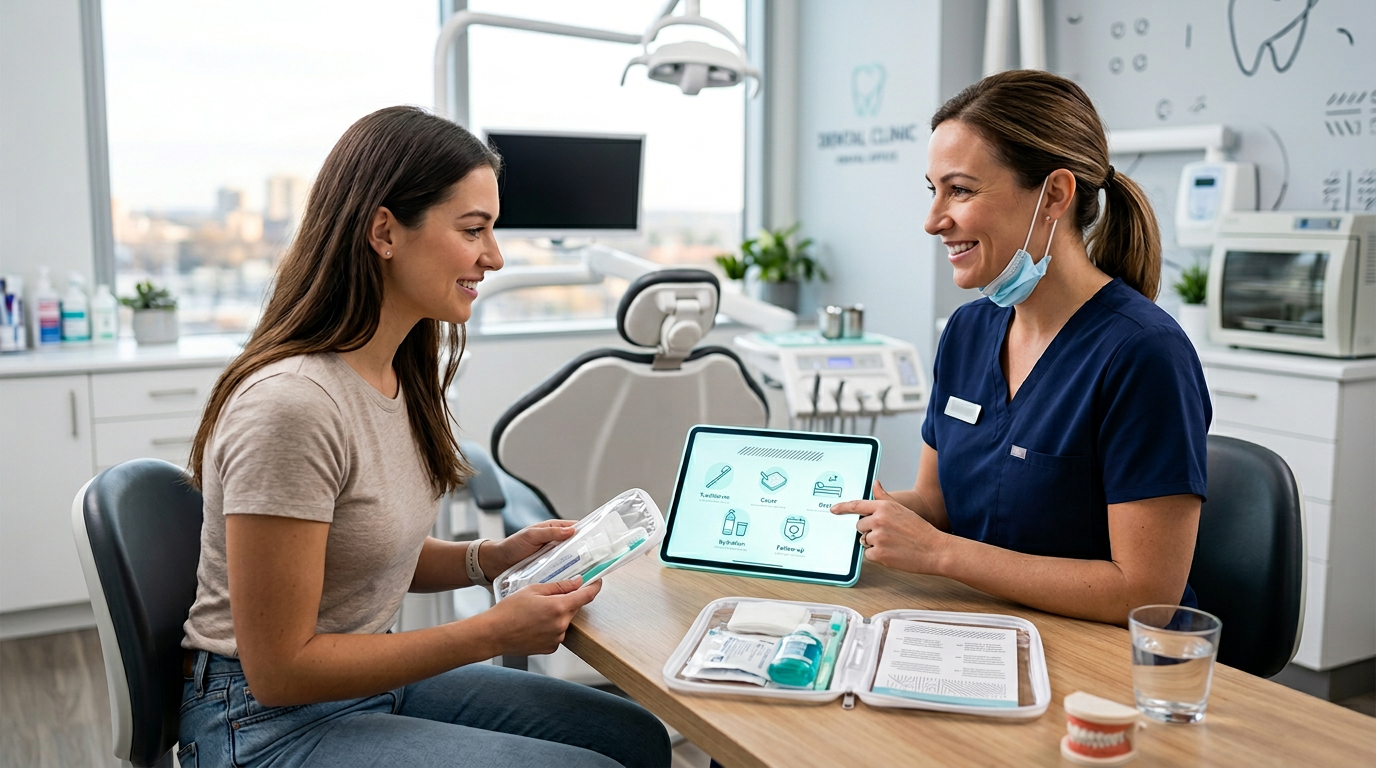
Always begin with clear verbal instructions, delivered slowly and concisely. Use simple language and avoid jargon. Encourage patients to ask questions and actively listen to their concerns. Crucially, have a team member such as a dental assistant or hygienist reiterate the key points to the patient or their accompanying family member or caregiver. This repetition aids retention and ensures critical information, such as medication schedules, dietary restrictions, and activity limitations, is not overlooked.
Written Instructions: The Essential Takeaway
Providing detailed written instructions is non-negotiable. Print them clearly, perhaps in a larger font for readability, and include specific timelines (for example, "Do this for the first 24 hours," "Continue for one week"). Denti360's integrated systems can generate customized, procedure-specific post-op care sheets automatically populated with patient details and relevant instructions. These sheets should cover:
- Medication dosage and timing (pain relievers, antibiotics, anti-inflammatories)
- Dietary recommendations (soft foods, avoiding hot liquids, chewing on the opposite side)
- Oral hygiene instructions (gentle rinsing, specific brushing techniques, avoiding the surgical site)
- Activity restrictions (avoiding strenuous exercise, bending, lifting)
- Management of common post-operative symptoms (swelling, bruising, minor bleeding)
- Contact information for emergencies and signs or symptoms that warrant immediate attention
- Scheduled follow-up appointment details
Visual Aids and Digital Resources
Visual aids significantly enhance understanding. Diagrams illustrating proper cleaning techniques, videos demonstrating how to apply a cold compress, or infographics showing prohibited foods can be incredibly effective. Practices can leverage Denti360's patient engagement tools to provide links to short educational videos accessible via a patient portal or QR codes on printed instructions. This digital access lets patients revisit instructions at home, at their convenience, and share them with caregivers.
Consider sending a summary of instructions via email or text shortly after the appointment. This serves as another reinforcement and provides easy digital access.
2. Personalized and Empathetic Education
Generic instructions often fall short. Patients are more likely to comply when the advice feels tailored to their situation and when they understand the why behind each instruction. Empathy plays a crucial role in building trust and encouraging adherence.
Explain the Why Behind Each Instruction
Instead of just stating "Don't chew on that side," explain, "Chewing on the surgical side can dislodge the blood clot, leading to a painful condition called dry socket and delaying healing." When patients understand the consequences of non-compliance and the benefits of adherence, they're more motivated to follow instructions. This turns passive reception of information into active engagement.
Assess Patient Learning Styles and Capabilities
During the pre-operative consultation and post-operative briefing, gauge the patient's learning style. Some prefer reading, others prefer visual demonstrations, and some learn best through verbal explanation and Q&A. Tailor your approach accordingly. Also consider cognitive abilities, language barriers, and socio-economic factors that might affect compliance, such as access to specific foods or medications. For patients with limited literacy, focus on visual aids and direct demonstrations.
Address Specific Concerns and Anxiety
Patients often have anxieties about pain, swelling, or the healing process. Address these proactively. Provide realistic expectations about what they will experience and how to manage it. For example, explain that some swelling is normal and give specific instructions for managing it with cold packs. This anticipatory guidance reduces fear and makes patients feel prepared and in control.
Involve Caregivers
For elderly patients, children, or those with special needs, involving a caregiver in the instruction process is vital. Ensure the caregiver understands the instructions thoroughly and knows who to contact with questions or concerns. This creates a support system that significantly boosts compliance.
3. Leveraging Technology for Enhanced Support and Reminders
In the digital age, technology extends post-operative care beyond the clinic walls. Denti360, with its comprehensive suite of features, is perfectly positioned to facilitate these advancements.
Automated Reminders for Medications and Appointments
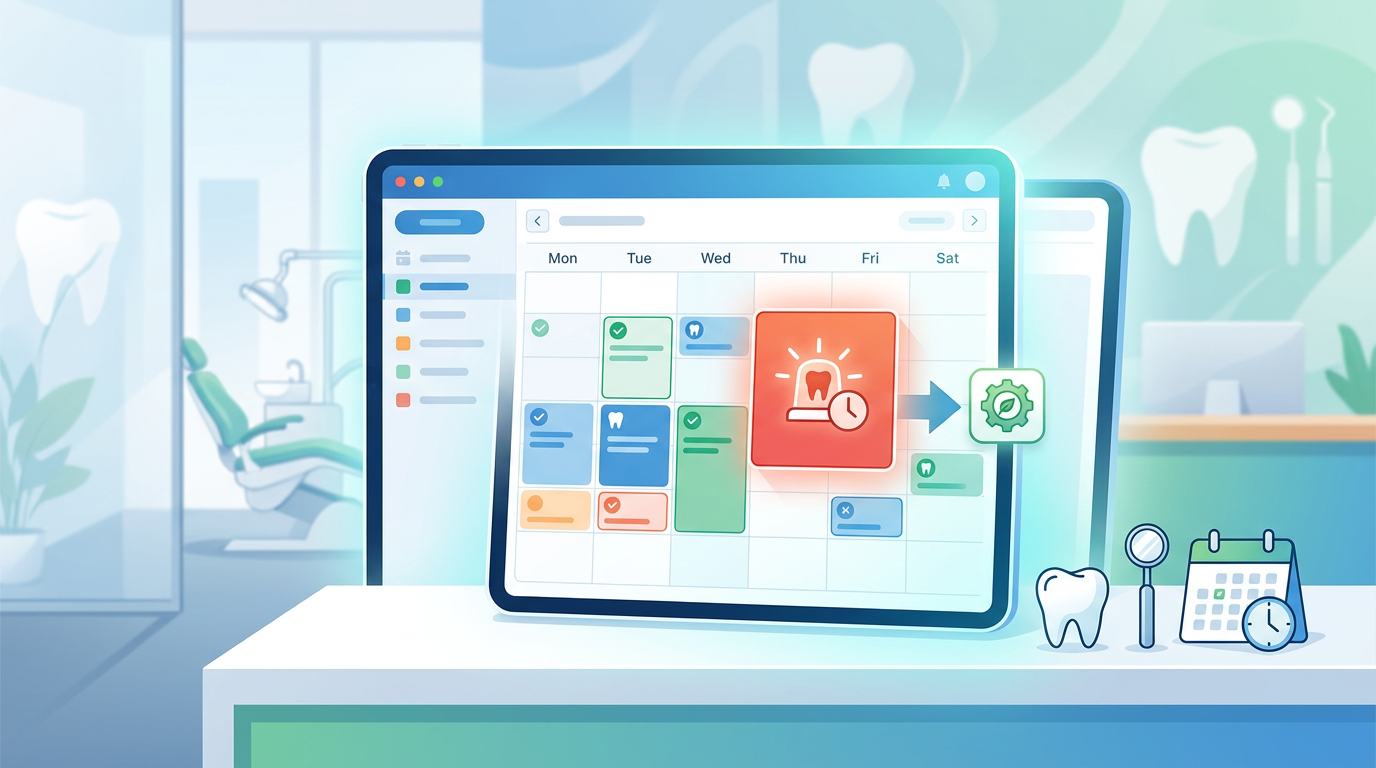
One of the most common reasons for non-compliance is simply forgetting. Automated reminders significantly mitigate this. Practices can use Denti360's patient communication module to send:
- Medication reminders: Texts or emails prompting patients to take antibiotics or pain medication at prescribed intervals.
- Follow-up appointment reminders: Essential for ensuring patients return for check-ups, suture removal, or next stages of treatment.
- General check-in messages: A simple text 24 to 48 hours post-procedure asking, "How are you feeling? Do you have any questions?" can be incredibly impactful.
Patient Portals and Secure Messaging
A secure patient portal integrated with Denti360 can be a central hub for post-operative information. Patients can access their personalized instructions, educational videos, and medication schedules. Crucially, secure messaging lets patients send non-urgent questions to the dental team and receive timely, accurate responses. This reduces the burden on phone lines and gives patients peace of mind, knowing they have a direct line to their care providers.
Telehealth Consultations for Remote Check-ins
For certain procedures, a quick telehealth check-in a few days post-op can be invaluable. It lets the dentist or hygienist visually assess the healing site (if appropriate), answer questions, and reinforce instructions without the patient traveling to the clinic. This is especially beneficial for patients with mobility issues, those in rural areas, or individuals with demanding schedules. Denti360's integrated virtual consultation features streamline this process, making it a seamless part of post-operative care.
4. Simplified Medication Regimens and Pain Management
Complex medication schedules can be confusing and overwhelming, leading to missed doses. Effective pain management is equally paramount; patients in severe pain are less likely to follow other instructions.
Streamlining Medication Protocols
Whenever clinically appropriate, simplify medication regimens. Can a twice-daily antibiotic replace a four-times-daily one? Can a longer-acting pain medication reduce dose frequency? Work with prescribing dentists to optimize drug protocols for ease of compliance. Clearly label medication bottles with large print and specific instructions, perhaps including pictograms.
Proactive Pain Management
Anticipate post-operative pain and prescribe appropriate pain management strategies before the patient experiences discomfort. This might involve a combination of over-the-counter anti-inflammatories like ibuprofen and prescription analgesics. Explain when and how to take these medications to stay ahead of the pain. Emphasize that taking pain medication as prescribed, even when pain isn't severe, can prevent it from escalating and make recovery more comfortable and manageable.
Addressing Nausea and Other Side Effects
Some medications, especially strong analgesics or antibiotics, can cause side effects like nausea. Advise patients on how to mitigate these, such as taking medication with food, and what to do if side effects become severe. Being prepared for these eventualities prevents patients from discontinuing medication prematurely due to discomfort.
5. A Strong Patient-Provider Relationship and Follow-Up Protocols
Trust and a sense of being cared for significantly influence a patient's willingness to comply. A strong patient-provider relationship, reinforced by structured follow-up, is invaluable.
Building Rapport and Trust
From the initial consultation, cultivate a relationship based on empathy, respect, and clear communication. Patients who feel valued and heard are more likely to trust the advice given and follow instructions. Acknowledge their anxieties and celebrate their progress.
Scheduled Follow-Up Calls and Appointments
Proactive follow-up demonstrates genuine care and provides an opportunity to address emerging issues. A follow-up phone call from a dental assistant within 24 to 48 hours post-procedure can be incredibly effective. This call serves multiple purposes:
- Check on well-being: Ascertain whether the patient is comfortable and managing their symptoms.
- Reinforce instructions: Briefly reiterate key care points and answer questions that arose since leaving the office.
- Identify non-compliance early: Detect whether the patient is struggling and intervene promptly.
- Schedule or confirm follow-up appointments: Ensure the patient knows when to return for further assessment or treatment.
For more complex procedures, a scheduled in-person follow-up appointment is crucial. Use Denti360's robust scheduling features to book these before the patient leaves the office, and send automated reminders as the appointment approaches.
Positive Reinforcement and Feedback
When patients return for follow-up, provide positive reinforcement for their adherence and good healing. Acknowledge their efforts and explain how their compliance contributed to their successful recovery. This positive feedback loop encourages continued adherence for future procedures, fostering a sense of partnership in their oral health journey.
A Holistic Approach to Post-Operative Excellence with Denti360
Improving post-operative care compliance is not a single task but a multifaceted endeavor. By integrating clear, multi-modal communication, personalized empathetic education, cutting-edge technology like Denti360's solutions, simplified medication regimens, and robust follow-up protocols, dental practices can significantly enhance patient adherence.
The benefits extend far beyond individual patient outcomes: fewer complications, reduced chair time for emergent issues, enhanced patient satisfaction, and a stronger practice reputation. In an increasingly competitive healthcare landscape, practices that excel in post-operative care compliance distinguish themselves as leaders in patient-centered excellence. Discover how Denti360 supports these strategies by exploring our platform features, or contact our team to empower your patients to become active participants in their healing journey and build healthier, more successful dental futures for everyone involved.