

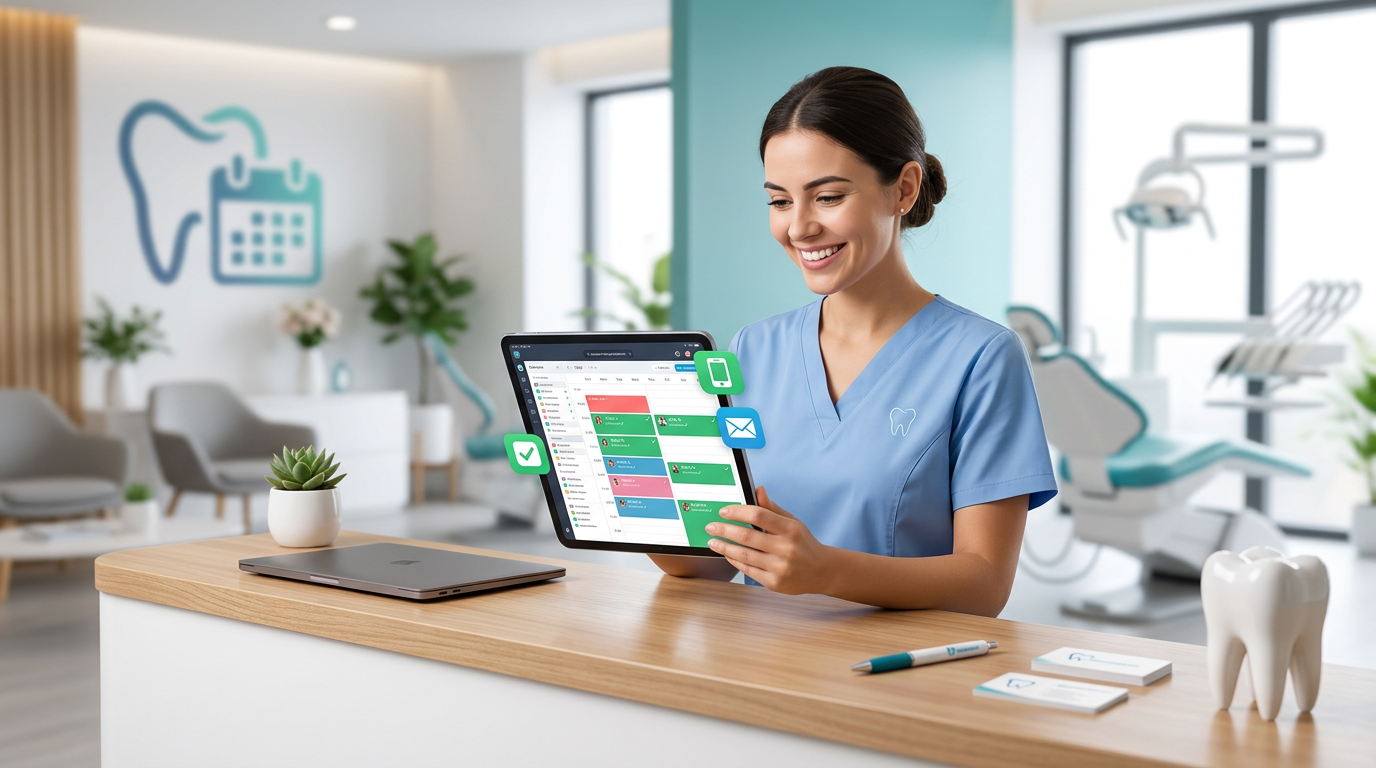
Reduce Dental No-Shows With Automated Scheduling Software
Dental no-shows quietly erode profitability, disrupt your daily schedule, and delay care for patients who need it. Every missed appointment leaves a vacant slot, wasted chair time, idle clinicians, and a scramble to reschedule. Automated scheduling software tackles this widespread problem head-on, transforming how practices manage appointments and patient engagement. This guide shows how this cornerstone of dental technology cuts no-show rates, recovers lost revenue, and protects both patient flow and the patient experience—so your practice stays efficient and sustainable.
How Patient No-Shows Hurt Dental Practices
To appreciate the value of automated scheduling software, first grasp the full impact of no-shows. The repercussions reach well beyond a single missed appointment:
- Financial Losses: Every missed appointment is lost revenue. The average cost of a dental visit, plus potential additional services, accumulates into substantial losses over a month or year, affecting the bottom line and the ability to invest in technology, staff training, or facility upgrades.
- Wasted Resources and Chair Time: An empty chair for an hour wastes a resource. Highly paid dentists, hygienists, and assistants sit idle while expensive equipment is underutilized, reducing overall productivity and capacity.
- Disrupted Workflow and Staff Morale: No-shows throw off the daily schedule, forcing staff to scramble for alternative tasks or manage downtime. This breeds stress, lower morale, and a sense of inefficiency.
- Reduced Patient Access to Care: A missed slot is one another patient could have used. This lengthens waits for critical treatments, affecting patient health and satisfaction.
- Increased Administrative Burden: Managing no-shows means following up, rescheduling, and filling last-minute openings, diverting time from patient care and proactive outreach.
- Negative Impact on Patient Outcomes: Regular check-ups and timely treatment are vital for oral health. Frequent no-shows lead to delayed diagnoses, worsening issues, and more complex, costly treatment later.
How Automated Scheduling Software Changes Appointment Management
Automated scheduling software is more than a digital calendar; it's an integrated system that streamlines the entire appointment lifecycle, from booking to follow-up. By proactively addressing the root causes of no-shows, these platforms empower both practices and patients. Here's how they transform appointment scheduling.
1. Seamless Online Booking and 24/7 Accessibility
Inconvenient booking is a primary driver of no-shows. Phone-based booking is limited to office hours, involves hold times, and often requires back-and-forth. Automated scheduling software flips this with:
- Patient Portals and Website Integration: Patients use a secure portal or a booking widget on your website to view real-time availability and book 24/7 from any device.
- Reduced Friction: Booking in a few clicks sharply lowers the friction of scheduling, making patients more likely to finalize their visit.
- Empowerment: Self-scheduling gives patients more control over their care, building a greater sense of responsibility for appointments.
2. Automated Reminders: The Most Potent Weapon Against No-Shows
Forgetfulness is a leading cause of missed appointments. Automated reminder systems are highly effective because they are:
- Multi-Channel: Reminders go out via SMS/text, email, or automated voice calls, matching patient preferences and ensuring the message lands.
- Customizable Timing: Practices set optimal intervals—one week, three days, and one day before, or even hours prior.
- Actionable: Many systems let patients confirm, reschedule, or cancel directly from the reminder, updating the schedule in real time. This immediate feedback loop is invaluable.
- Personalized: Reminders include the patient's name, appointment type, date, time, and practice address, reducing confusion.
3. Digital Patient Forms and Pre-Appointment Information
Cutting waiting-room time and streamlining check-in also influences no-shows by improving the patient experience. Automated scheduling software often integrates with digital forms:
- Pre-Appointment Completion: Patients complete new-patient forms, update medical history, and sign consent digitally before the visit, saving office time and gathering information efficiently.
- Reduced Waiting Room Frustration: Less paperwork on arrival means shorter waits, higher satisfaction, and less sense of wasted time.
- Ensured Readiness: Patients who have already completed forms often feel more committed to their appointment.
4. Intelligent Rescheduling and Waitlist Management
Life happens, and sometimes patients genuinely need to reschedule. Automated systems make it efficient and beneficial for the practice:
- Easy Rescheduling: Patients reschedule online, providing new availability and cutting the administrative burden of phone calls.
- Automated Waitlists: When a cancellation occurs, the system automatically notifies waitlisted patients seeking an earlier slot, filling openings quickly and maximizing chair use. For example, if a 2025 patient cancels, the system instantly alerts those on the waitlist.
- Smart Slot Filling: Advanced systems can suggest optimal rescheduling times based on availability and patient preferences.
5. Enhanced Communication and Patient Engagement
Beyond booking and reminders, automated software fosters better communication:
- Two-Way Messaging: Secure messaging lets patients communicate directly about appointments, questions, or concerns, reducing phone calls.
- Appointment Confirmation Requests: A single click or text reply confirms attendance and updates the schedule in real time.
- Post-Appointment Follow-Ups: Automated surveys and follow-up instructions keep patients engaged and reinforce their commitment to oral health.
6. Data Analytics and Insights for Continuous Improvement
A less obvious but powerful benefit is the ability to collect and analyze data:
- Identifying No-Show Patterns: Practices track which appointment types, days, or providers carry higher no-show rates, informing targeted interventions.
- Measuring Effectiveness: Practices monitor the success of reminder strategies, communication channels, and overall scheduling.
- Informing Policy: Insights help refine cancellation policies, reminder cadences, and communication for better results. For instance, if a specific demographic has a higher no-show rate, tailored reminders can be deployed.
Best Practices for Implementing Automated Scheduling Software
The benefits are clear, but successful implementation requires a thoughtful approach:
- Choose the Right Software: Select a system built for dental practices, with practice-management integration, patient portals, customizable reminders, and robust reporting. Denti360 recommends evaluating platforms that prioritize ease of use for both staff and patients. Compare options across the full platform features.
- Gradual Rollout and Staff Training: Introduce the system gradually and train all staff who interact with it on features, troubleshooting, and articulating benefits to patients.
- Patient Education and Communication: Inform patients of the new system using in-office signage, email newsletters, and website announcements, encouraging online booking and confirmation. Explain how it offers convenience and shorter waits.
- Customize Reminder Settings: Tailor reminder frequency, timing, and messaging to your patient demographic, experimenting to find the highest confirmation rates.
- Integrate With Existing Systems: Ensure the software integrates seamlessly with your practice management system for a unified workflow and to avoid data silos, keeping records and financial data accurate.
- Monitor and Optimize: Regularly review the data—no-show rates, confirmation rates, and feedback—and use it to refine strategies and optimize performance.
- Maintain a Human Touch: Automation is powerful but shouldn't replace human interaction. Have staff personally follow up with repeat no-shows or patients needing special attention.
Conclusion: A Smarter Future for Dental Practice Management
No-shows are an expensive, disruptive problem that traditional methods struggle to solve. Automated scheduling software offers a sophisticated, multi-faceted answer to the core reasons appointments are missed. With 24/7 online booking, intelligent multi-channel reminders, seamless rescheduling, and valuable analytics, these systems dramatically reduce no-show rates while improving efficiency, patient satisfaction, and staff focus on higher-value work. In today's digital healthcare environment, adopting this technology is a strategic imperative.
Investing in automated scheduling is an investment in a more organized, profitable, patient-centric practice. To see how Denti360 can cut your no-shows, contact our team and ensure that come 2025 and beyond, your clinic is running at its peak potential.