

Ask any dental clinic owner in India to name their most persistent operational headache, and a large number will say the same thing: patients who do not show up. The no-show is a deceptively small event that carries an outsized consequence. An empty chair for an hour-long appointment does not just lose that hour's revenue — it disrupts the schedule for the rest of the day, demoralises the clinical team, and delays care for a patient who might have genuinely needed that slot. When no-shows happen at scale, they can shave ten to twenty percent off a practice's monthly collections without anyone having made a single clinical error.
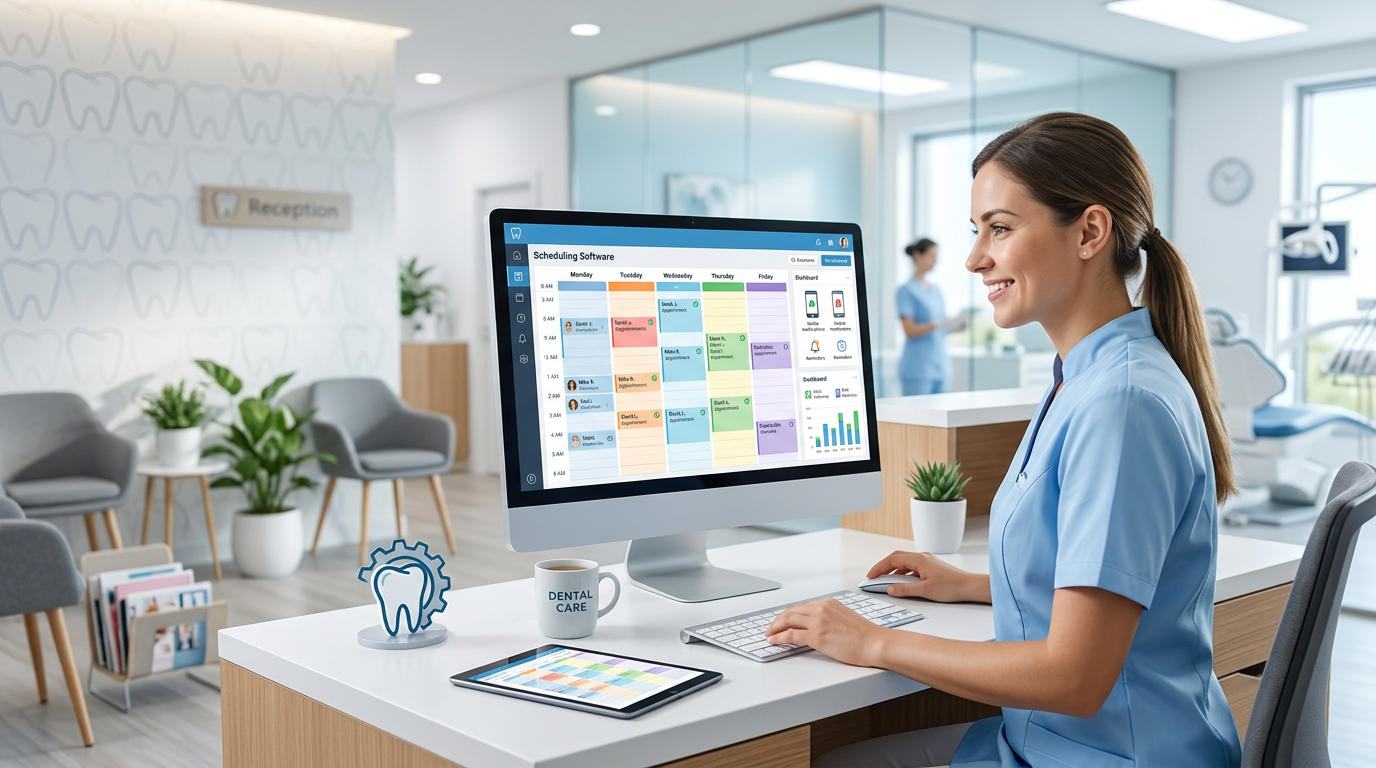
The encouraging reality is that most no-shows are preventable, and dental scheduling software is the most reliable tool for preventing them. Platforms like Denti360 go far beyond digital appointment books — they actively engage patients before, during, and after visits, making it much easier to keep appointments and much harder to forget them. Here are five specific ways smart dental scheduling software makes a measurable difference to patient adherence.
1. Automated, Multi-Channel Appointment Reminders That Actually Reach Patients
The most common reason patients miss dental appointments is straightforward forgetfulness. An appointment booked four weeks in advance competes with hundreds of other demands on a patient's attention. A single phone call the day before — often the extent of a manual reminder system — is not enough to overcome that competition.
Smart dental scheduling software sends reminders through the channels patients actually use, at intervals that keep the appointment visible without becoming intrusive. In the Indian context, this means WhatsApp and SMS are far more effective than email. Denti360 supports automated reminder sequences that a clinic can configure once and then run without manual effort: a message a week before the appointment, another two days before, and a final reminder the morning of.
Critically, these reminders are personalised. They include the patient's name, the appointment date and time, the treating dentist, and any preparation instructions specific to the procedure. A reminder for a root canal treatment might include fasting guidance and a note to bring a previous X-ray. A recall cleaning reminder might simply confirm the time and ask the patient to reply to confirm. This specificity makes the reminder feel like a considered communication rather than an automated broadcast, and patients respond to it accordingly.
The two-way confirmation feature is particularly powerful for appointment adherence: patients who can confirm attendance with a single WhatsApp reply are far more likely to do so, and their confirmation creates a small but real commitment that makes a last-minute no-show less likely. When a patient indicates they need to reschedule, the system flags the slot immediately, giving your front desk team time to fill it.
2. Online Booking That Removes Friction from the Scheduling Process
Patients who find it difficult to book or reschedule appointments are more likely to simply not show up rather than go through the effort of calling during office hours. This is especially true for working professionals and parents with young children — demographics that make up a large share of any urban dental clinic's patient base in India.
Online self-scheduling, available through Denti360's patient-facing interface, allows patients to view available slots and book appointments at any time — including late evenings and weekends when your front desk team is not available. When a patient books their own appointment, they choose a time that genuinely fits their schedule, which is a much stronger predictor of attendance than an appointment assigned to them by a receptionist working around the clinic's preferences.
Online booking also benefits your team. Every appointment booked through the digital channel is one fewer phone call to handle, one fewer WhatsApp message to respond to, and one fewer interruption to the complex task of managing the physical clinic. Dental practice management software that includes patient-facing booking does not replace your front desk team — it frees them to focus on the in-clinic experience for the patients who are already present.
Rescheduling capability is equally important. A patient who knows they can move their appointment easily, without making a phone call during a meeting or waiting for someone to respond to a message, is a patient who will reschedule rather than simply not show up. Frictionless rescheduling converts what would have been a no-show into a filled slot at a future date — a much better outcome for both the practice and the patient.
3. Intelligent Recall Systems That Bring Patients Back Consistently
Appointment adherence is not only about patients attending the appointments they have booked — it is also about patients returning for the preventive and follow-up care their dental health requires. In India, where a significant portion of the population does not visit a dentist unless they are in pain, proactive recall management by the practice itself is often the only thing that keeps patients engaged with preventive care.
Denti360's recall management system tracks each patient's treatment history and sends personalised outreach when they are due for a recall cleaning, an annual check-up, or a scheduled follow-up after a procedure. This outreach is fully automated — your team does not need to manually review records to identify which patients are overdue. The system identifies them, drafts the message, and sends it through the patient's preferred channel.
For patients in the middle of multi-phase treatment — orthodontic adjustments, implant osseointegration reviews, post-extraction healing checks — recall automation ensures that follow-up appointments are booked promptly and that patients who defer receive a reminder before too much time passes. This continuity of care improves clinical outcomes and builds the kind of patient relationships that generate referrals and long-term loyalty.
The business case is straightforward: a patient who returns twice a year for recall appointments, accepts the occasional restorative recommendation, and refers family members is worth many times the revenue of a one-visit patient. Dental scheduling software that automates the recall process turns patient retention from a passive hope into an active strategy.
4. Waitlist Management That Fills Cancellation Slots in Minutes
Even with excellent reminder systems, some cancellations are unavoidable. The question is what happens next. In clinics without smart dental scheduling software, a cancellation means a phone call to the first name that comes to mind, a back-and-forth about availability, and often an empty slot anyway. In clinics using Denti360, a cancellation triggers an automated notification to patients on the waitlist who have expressed interest in an earlier appointment.
Waitlist management is an underrated feature of dental scheduling software, but its impact on appointment adherence is significant. When patients know there is a waitlist — and that requesting an earlier slot is easy — they are more engaged with the booking process. When your team can fill a cancelled slot within minutes rather than hours, the financial and operational impact of that cancellation is dramatically reduced.
Smart waitlist logic can match cancellation slots to the right patients based on the procedure type, the patient's location, and their stated availability preferences. A patient who asked to be notified if a Saturday morning slot opened up will not receive a notification about a Wednesday afternoon cancellation that is irrelevant to them. This precision makes the system more useful and the outreach more likely to convert into a confirmed booking.
5. Data and Reporting That Help You Understand and Improve Adherence Over Time
The first four ways smart dental scheduling software improves adherence are all operational — they directly change patient behaviour in measurable ways. The fifth is strategic: the reporting and analytics capability that helps you understand your clinic's adherence patterns and make informed decisions about how to improve them further.
Denti360 generates reports on no-show rates by day of week, time of day, procedure type, and patient segment. It tracks confirmation rates for different reminder sequences, showing which channel and which timing generates the highest response. It identifies which patients have missed multiple appointments in a row — a signal that proactive outreach or a conversation about barriers might be warranted. It quantifies the revenue impact of missed appointments in concrete figures, making the business case for investment in adherence improvement visible to practice owners and managers.
This data transforms appointment management from a reactive function — dealing with no-shows after they happen — into a proactive discipline. If your reports show that Monday morning appointments have a consistently higher no-show rate, you can adjust your reminder strategy for that slot, reduce overbooking risk, or restructure your Monday schedule. If a particular procedure type sees more late cancellations, you can implement a confirmation call from the dentist or clinical coordinator the day before, a personal touch that research shows significantly improves attendance for complex or anxiety-inducing treatments.
Over time, the data your dental practice management software collects becomes a genuinely useful asset — a historical record of patient behaviour that informs scheduling decisions, staffing levels, and communication strategy in ways that intuition alone cannot match.
Better Adherence, Better Outcomes, Better Business
Improving patient adherence is not just an operational goal — it is a clinical one. Patients who keep their appointments receive the care they need when they need it. Preventive treatments happen before problems escalate. Multi-phase treatments are completed as planned. Follow-up reviews catch complications early. The cumulative effect of consistent attendance is measurably better oral health for your patient population, which is ultimately why your clinic exists.
At the same time, the business benefits of improved adherence compound meaningfully. A practice that reduces its no-show rate from fifteen percent to five percent does not just recover that ten percent of lost revenue — it also improves schedule predictability, reduces team stress, and creates the conditions for more ambitious growth planning. Dental software India-based practices are using to drive these outcomes is available and accessible, regardless of clinic size.
If you want to see how Denti360's scheduling and recall tools work in practice, book a free Denti360 demo. We will show you how the reminder sequences work, how waitlist management fills your cancellation slots, and how the reporting gives you the visibility to keep improving over time. Your patients need to be there — let us help you make that happen.